



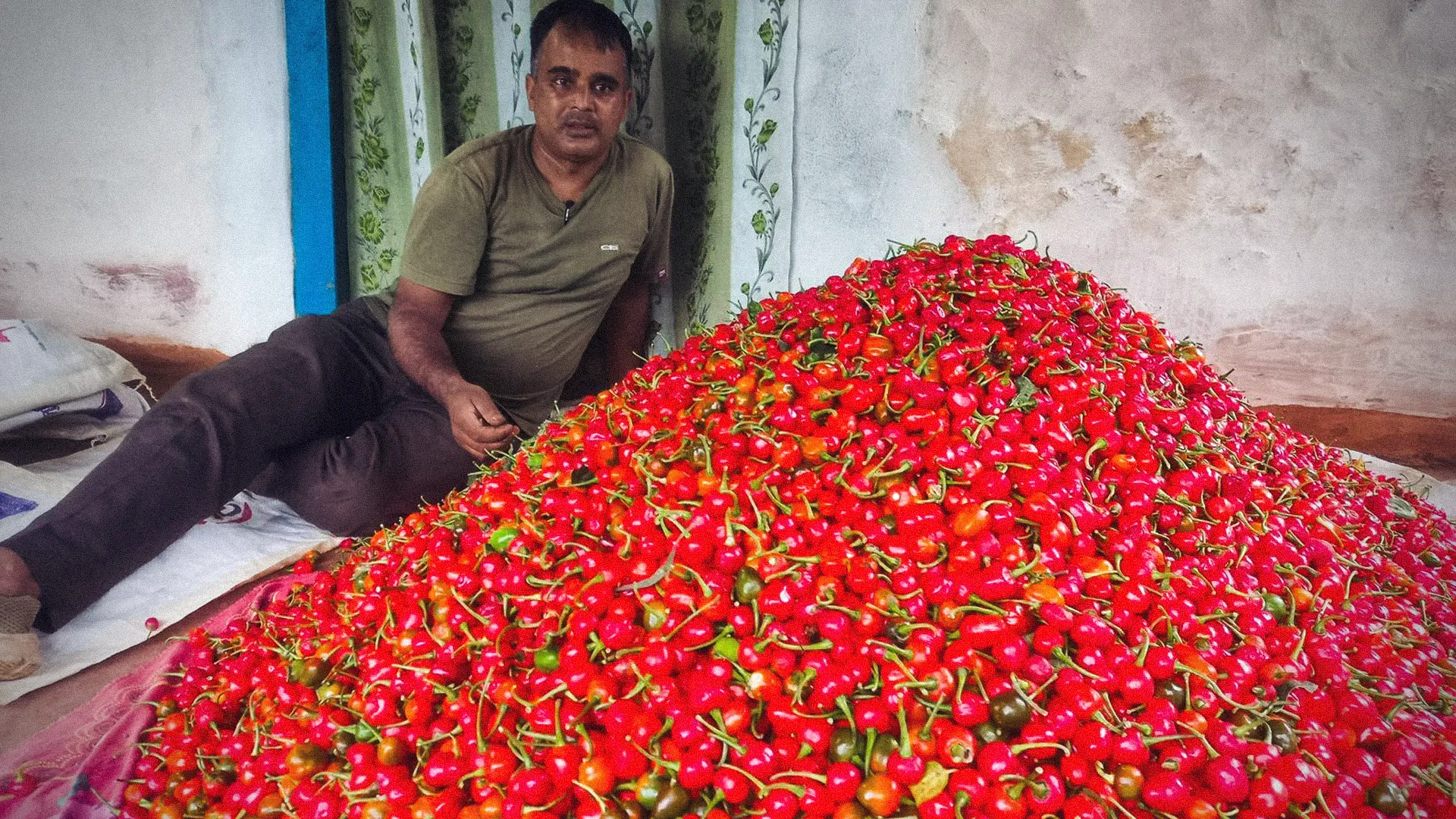
Upon reaching Ribdikot in Palpa, a distinct fragrance and enthusiasm can be found in the soil and climate here. Villages that were once devastated by wild animals destroying crops and emptied by migration are now adorned with red Akabare chilies. The name of this transformation is— 'Akabari Revolution', led by local teacher and leading farmer Janak Acharya.
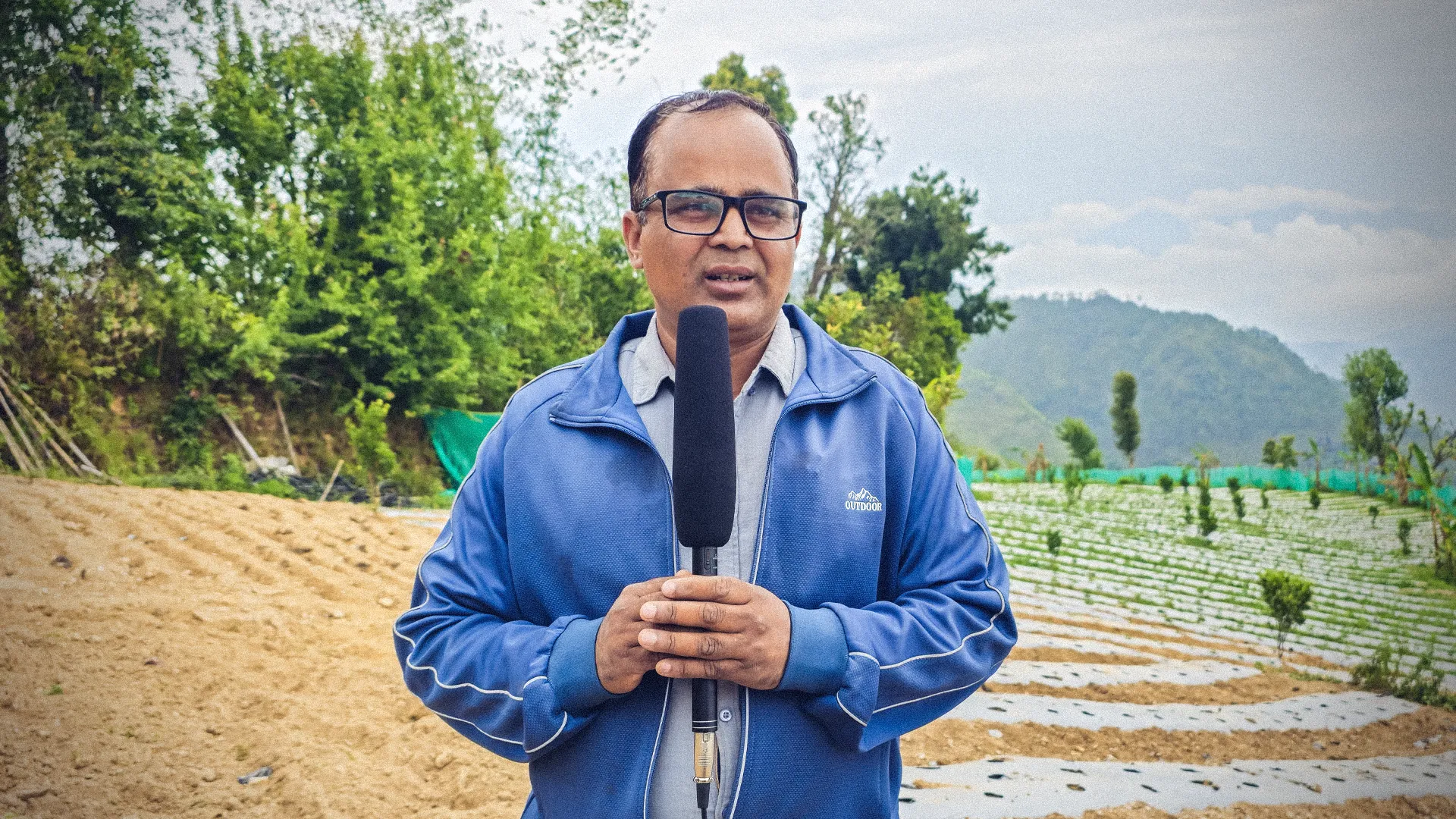
How did seeds brought from Ilam in eastern Nepal draw the economic fortune line for farmers in western Palpa? During Nepal Aaaj's on-site reporting, we have uncovered its fascinating story.
Strong Connection Between Current Noodles and the Village Economy
Behind the success of this revolution, a domestic brand has played a huge role. 'Yashoda Foods', the manufacturing industry of popular food items including 'Current Noodles', requires about 400 metric tons of Akabare chilies annually.
-
Out of this, 250 metric tons (more than half the portion) is supplied by Palpa alone.
-
The remaining quantity is supplied from hilly districts like Makwanpur, Bhojpur, and Arghakhanchi.
Farmer Acharya says, "If Yashoda Foods doesn't buy our chilies, we have no option but to throw them on the streets. Current Noodles has brought happiness to our village today simply by securing our market."
How Did the Farmers' Lives Change? (Major Achievements)

Interested in this ad?
Would you like to continue to the link or provide your information for more details?
Please provide your information
To continue, please fill in your details
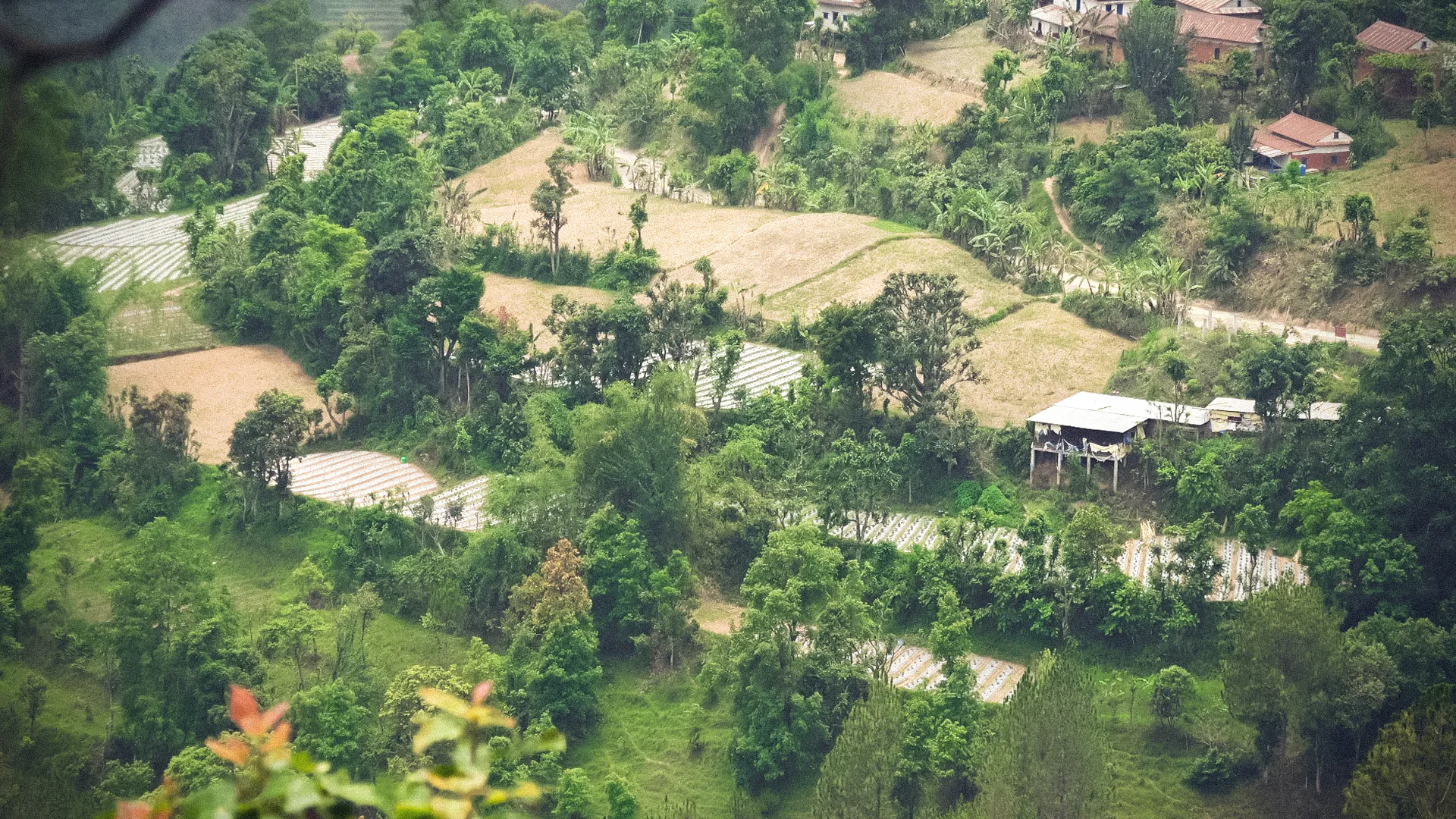
Started in the year 2076 BS, this farming has expanded to an area of over 2,000 Ropanis today. The main changes brought about by this are as follows:
-
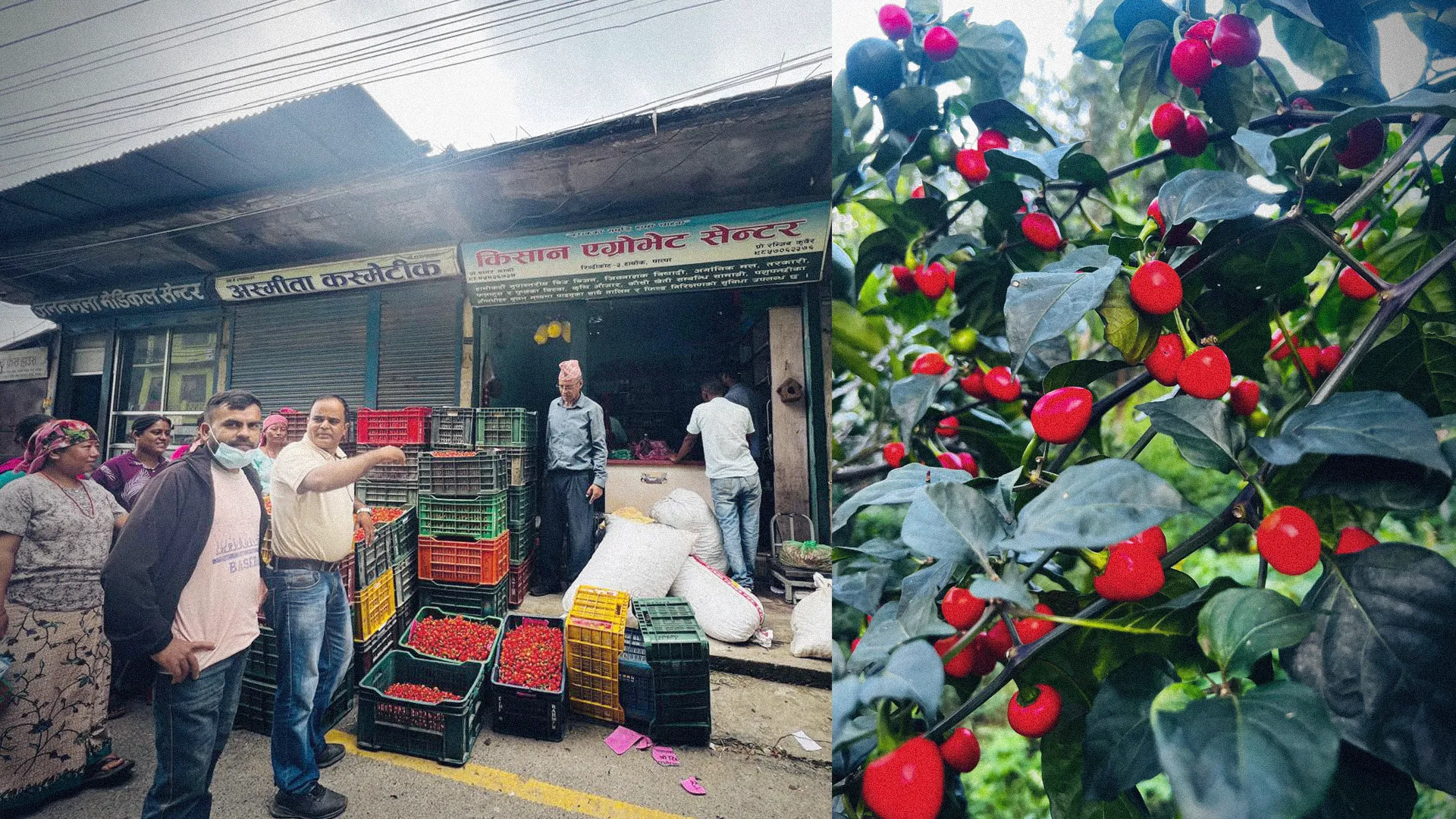
Economic Leap: Last year alone, 42.8 million rupees (4 Crore 28 Lakh) reached the hands of farmers through a single collection center in Ribdikot. The compulsion to seek loans at high interest rates from moneylenders to celebrate festivals or run household expenses has now become history.
-
Animal Fear-Free Farming: Since monkeys, deer, and wild boars do not eat it, the need for farmers to stay awake all night guarding their crops has ended.
-
Pesticide-Free (Fully Organic): This chili is being produced using cow/buffalo dung manure without the use of chemical fertilizers and harmful pesticides.
-
Women's Empowerment and Employment: Single women and sisters whose husbands are abroad have started earning hundreds of thousands just by selling chilies. With employment created in the village itself, the trend of migrating abroad has also stopped.
Don't Miss Watching the Video!
This is not just a simple agricultural story of growing Akabare chilies. It is a living example of how a domestic industry and corporate market can completely transform Nepal's rural economy and the lifestyle of farmers. If the Government of Nepal ensures such a market, youths will not have to go to the Gulf countries.
To watch this detailed and inspiring video interview of Janak Acharya's struggle, success, and the energy it brings to all farmers of Nepal, go to the official YouTube channel of Nepal Aaja.