


Kathmandu — Remarks by US Ambassador Sergio Gor calling Jammu and Kashmir an "integral part" of India have heightened diplomatic tensions between Pakistan and the United States.
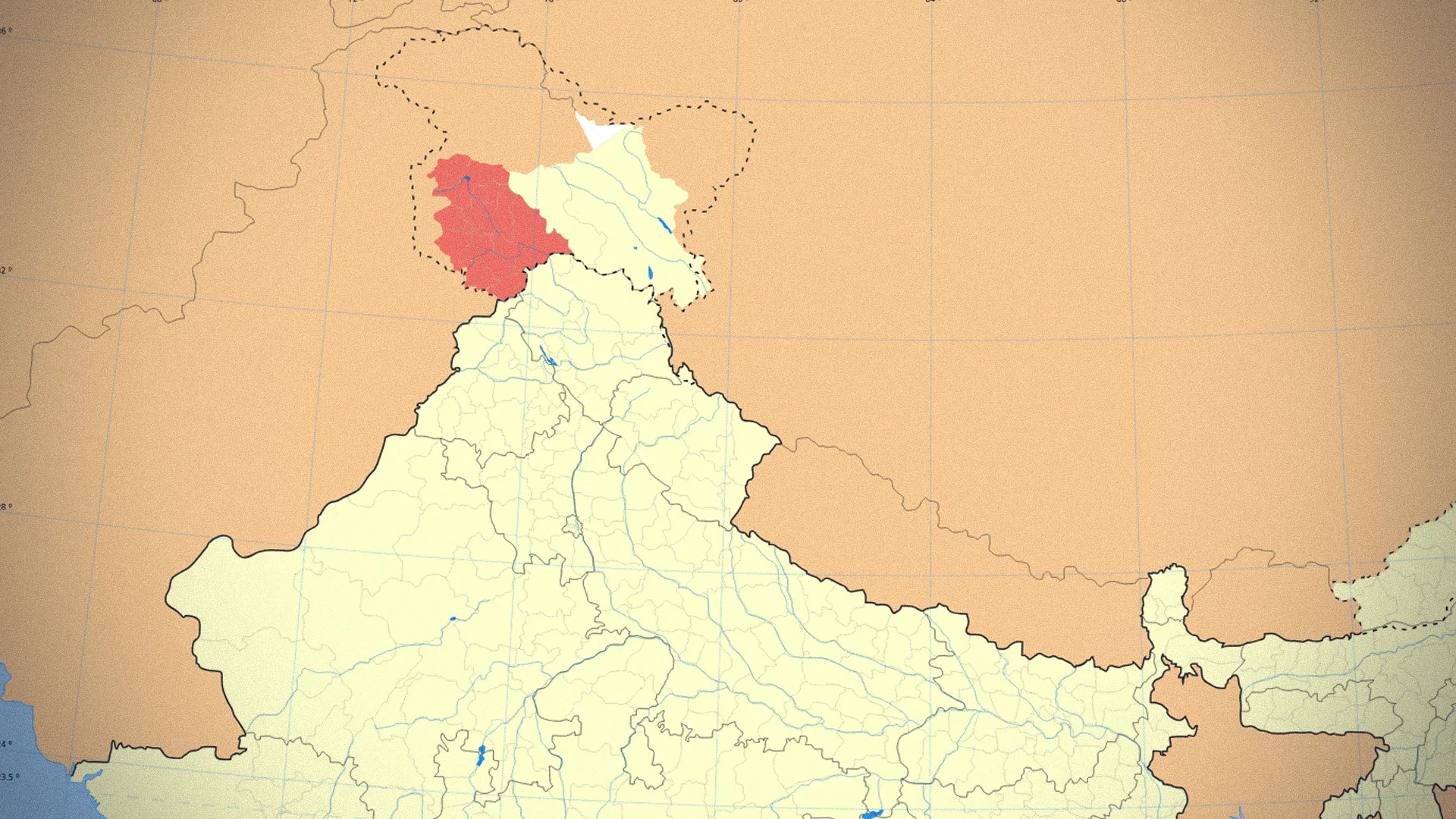
Gor, who serves as the US Ambassador to India and Special Envoy for South and Central Asia, made the statement on August 19 during a visit to Srinagar, Jammu and Kashmir, stating that Kashmir is an "integral part" of India. This was his first official visit to Jammu and Kashmir.
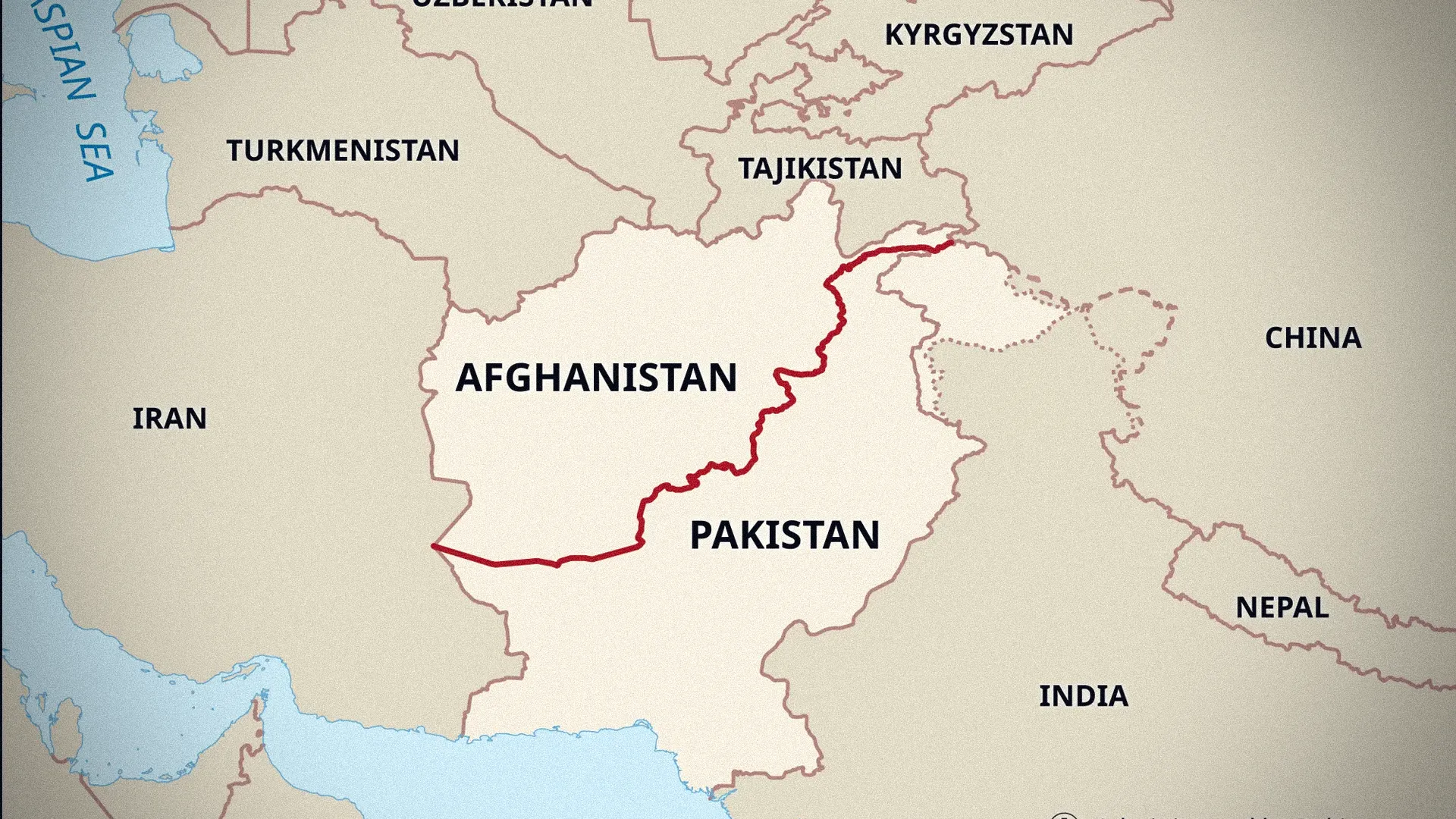
Pakistan raised strong objections to Gor's remarks. Pakistan's Ministry of Foreign Affairs summoned the US Chargé d'Affaires in Islamabad to lodge a formal protest. Rejecting the US envoy's comments, Pakistan presented Jammu and Kashmir as an internationally disputed territory.
Pakistan claimed that the statement contradicts Washington's traditional diplomatic stance on Kashmir. According to Pakistan, the Kashmir dispute should be resolved in accordance with relevant United Nations resolutions and the aspirations of the Kashmiri people.

Interested in this ad?
Would you like to continue to the link or provide your information for more details?
Please provide your information
To continue, please fill in your details
India, however, did not object to the US ambassador's comments. The Indian Ministry of External Affairs reiterated its established position that Jammu and Kashmir and Ladakh are integral and inalienable parts of India.
The US ambassador's remarks are seen as a significant diplomatic signal in South Asia. Coming at a time when strategic and defense cooperation between India and the United States is expanding, the statement has sparked debate over a potential shift in Washington's public rhetoric on Kashmir. However, analysts caution that a single diplomat's remarks should not be immediately interpreted as a formal shift in US policy.
The Kashmir issue has long been at the center of dispute between India and Pakistan. Therefore, such public commentary from the US side is seen as having potential implications not only for the sensitive bilateral relationship between the two nations, but also for South Asia's broader diplomatic dynamics.