

KONDAGAON, CHHATTISGARH — As rampant over-exploitation and habitat destruction push rare botanical species toward extinction, a quarter-century conservation effort in Chhattisgarh’s Bastar region is emerging as a vital shield for India’s natural medicinal heritage. At the five-acre Maa Danteshwari Ethnic Herbal Garden, over 340 rare medicinal plant species—including critically threatened flora such as Teliya Kand, Hirantutiya, Manjur Godi, Rasna Jadi, and Kurwa Jadi—are being actively preserved and propagated within their native ecosystem, countering a growing crisis of market adulteration and bio-depletion.
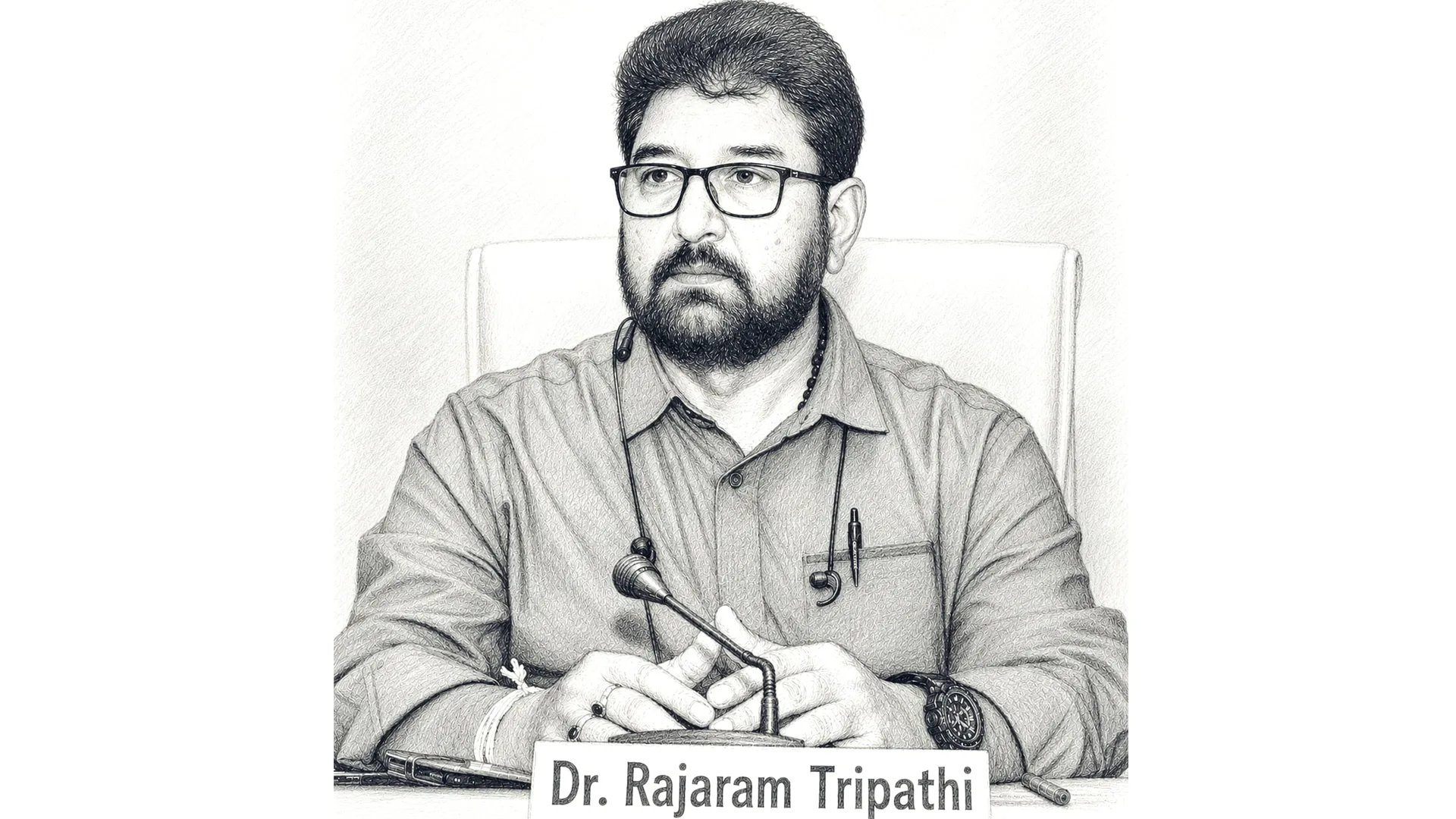
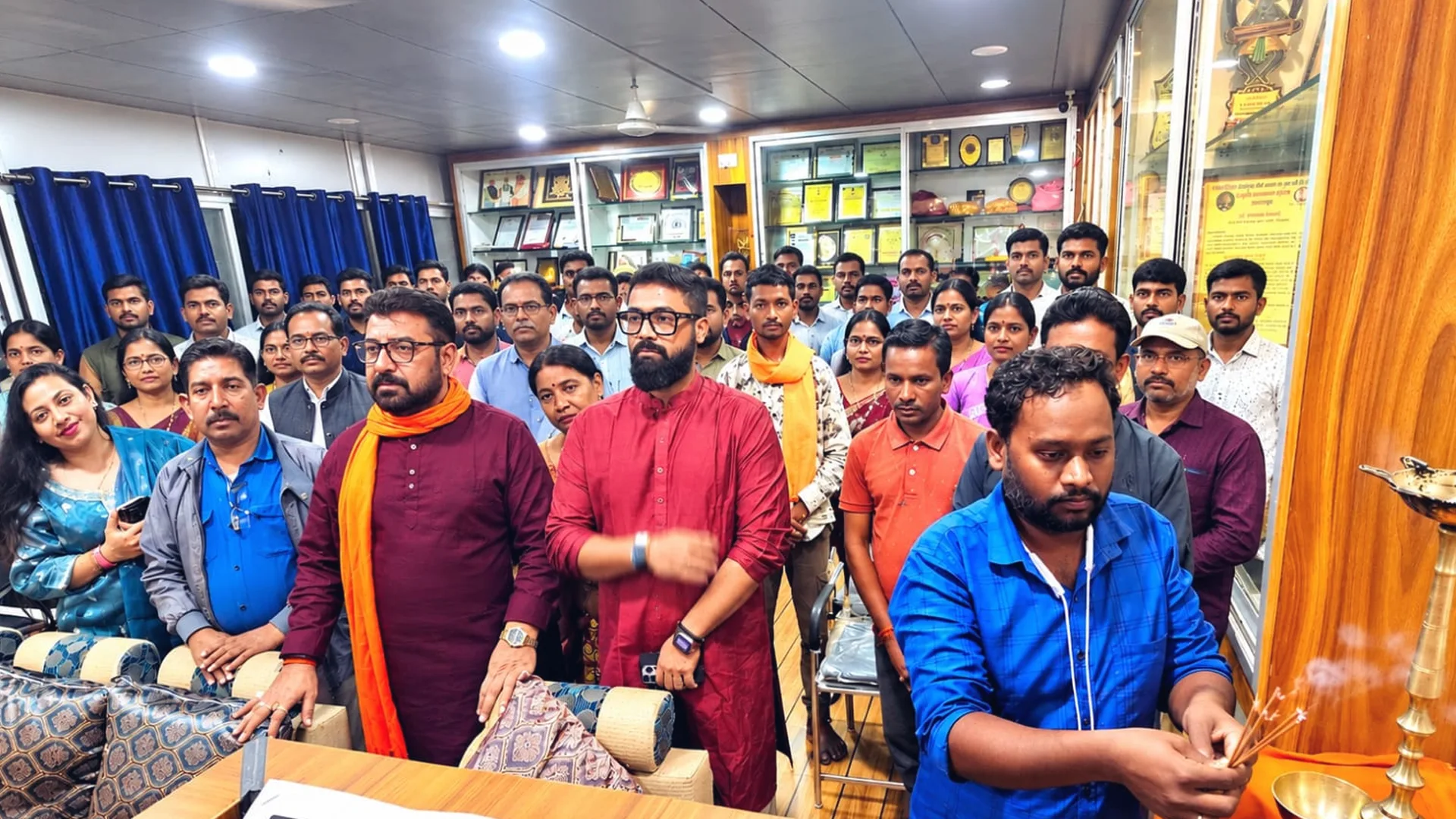
The significance of this ecological refuge was highlighted during the Dhanvantari Avataran Diwas celebration held at the Maa Danteshwari Herbal Complex in Kondagaon. Organised jointly by the World Academy of Ayurveda, MD Botanicals, the Tribal Research and Welfare Institute, Sampada, and the Maa Danteshwari Herbal Group, the gathering brought together conservationists, community leaders, and indigenous farmers. National President of the World Academy of Ayurveda, Dr. Rajaram Tripathi, opened the proceedings with traditional Sanskrit chants, emphasizing that protecting ancient medical traditions requires the immediate preservation of wild habitats and indigenous wisdom.
Speaking on the operational realities of the herbal sector, Apurva Tripathi, who leads the MD Botanicals campaign, addressed the rising prevalence of unverified products flooding global consumer markets. She noted that while commercial interest in herbal wellness has surged, authentic quality remains rare. By partnering directly with Bastar’s tribal women to commercialize organically cultivated herbs under the MD Botanicals brand, the enterprise aims to establish global supply chain integrity while securing economic independence and formal recognition for indigenous knowledge holders.
The initiative directly addresses warnings raised by Dr. Tripathi regarding the structural imbalance between soaring global demand and shrinking wild botanical reserves. He pointed out that uncontrolled harvesting has eradicated several species from their natural habitats, threatening not only ecological stability but also thousands of years of accumulated healthcare knowledge. The five-acre sanctuary, developed over 25 years in collaboration with Maa Danteshwari Herbal Products and the Sampada non-profit organization, stands as a replicable model designed to nurture plant species in conditions matching their natural habitats for future generations.
The historical foundation of the World Academy of Ayurveda underscores the institutional weight behind these efforts. Founded on January 12, 1952, under the guidance of Acharya Dr. Prabhakar Mishra (1008 Shankaracharya Prabhanand Saraswati), former Health Minister K.M. Munshi, and India’s first President Dr. Rajendra Prasad, the academy has long championed traditional healthcare systems. Guided today by Acharya Uday Mishra, head of the Dhanvantari Akhada, the organization notes a shifting global paradigm where developed nations, including the United States, increasingly view Ayurveda as an integrated science of life.
The event concluded with a formal pledge taken by attendees—including Maa Danteshwari Herbal Group President Jasmati Netam, Sampada General Secretary Shipra Tripathi, Maa Danteshwari Herbal Products Director Anurag Kumar, MD Botanicals CEO Kevin Kumar, and Mission Leader Krishna Netam—to protect endangered flora and integrate local communities into sustained conservation efforts. As global interest in traditional medicine accelerates, the Bastar initiative demonstrates that the true preservation of ancient wellness traditions lies in safeguarding the forests, biodiversity, and indigenous custodians that sustain them.