

Having successfully carved a distinct identity from the South Indian film industry—across Malayalam, Tamil, Telugu, and Kannada—to Bollywood, actress Sai Pallavi is currently one of the most influential and popular actresses in Indian cinema. Following her dignified performance as Goddess Sita in the highly anticipated mythological film 'Ramayana', directed by Nitesh Tiwari and released worldwide on 5 November 2026, she has been receiving widespread discussion and high acclaim everywhere. In a film industry dominated by modern glamour and artificial beauty standards, the new benchmark she has set—making simplicity, a natural look, and an authentic identity her core strength—has become exemplary.
Role of Goddess Sita in 'Ramayana' and Analysis of Indian Cinema Roles
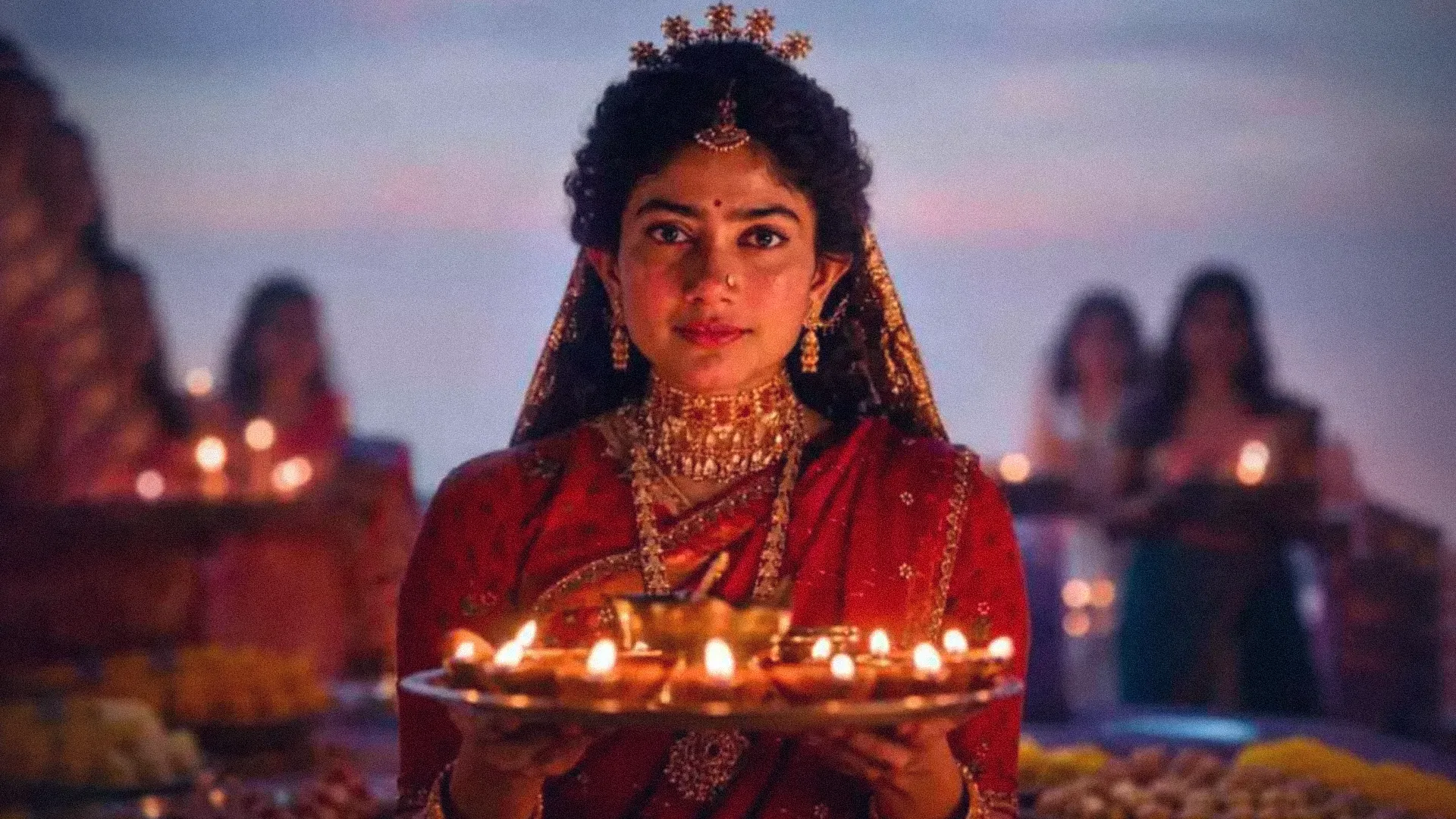
In the grand mythological film 'Ramayana', Sai Pallavi has brought the sacred and graceful character of Mother Sita vividly to life on screen. In this film, Bollywood actor Ranbir Kapoor appears in the role of Lord Ram and Kannada actor Yash appears as Ravan. According to multilingual sources in Indian film circles, Sai Pallavi's casting and performance as Sita have been considered extremely natural, relevant, and commendable by audiences and critics alike.
The character of Goddess Sita represents purity, patience, simplicity, and inner strength. Sai Pallavi's modest and unpretentious real-life personality has been the primary reason making her the most suitable choice for this role. Having started her acting journey with the role of Malar in the 2015 blockbuster Malayalam film 'Premam', Pallavi has already left a powerful and meaningful mark with her performances in various multilingual works such as the Telugu films 'Fidaa' and 'Shyam Singha Roy', as well as the Tamil film 'Amaran'. The combination of her natural acting ability and her on-screen and off-screen persona has granted a special dignity to Sita's divine portrayal on screen.
No-Makeup Screen Appearance and Originality: A Revolution Against Artificial Beauty Standards
In today's modern cinema world, where most artists hesitate to appear on screen without heavy makeup and visual effects, Sai Pallavi has brought a new revolution of authenticity by acting completely without makeup. While acting in the film 'Premam', she comfortably presented herself on screen without hiding her facial acne, which was immensely loved by the audience.
She has always publicly and fearlessly expressed her views regarding her acne or natural skin tone. Maintaining a clear stance that "people are beautiful just as they are, and self-confidence is true beauty," Pallavi even rejected advertisements for fairness creams worth millions. Her decision to comfortably accept her real appearance has provided unprecedented inspiration for millions of youth to take pride in their natural beauty and become self-confident.
Graceful Attire and Modest Lifestyle: A Distinct Identity of the 'Decent Look'
From the South Indian film industry to the national level, Sai Pallavi is known for her distinct and modest attire style. In an entertainment industry where skin show and misleading glamorous avatars are often considered benchmarks of success, she has always prioritized traditional and dignified clothing.
In public events, award ceremonies, or film promotions, she usually presents herself in traditional sarees, kurtas, or simple attire. This graceful appearance and modest identity have placed her in a completely distinct and respectful position. Rising above artificial glamour, she has proven in the Indian film industry that top status in cinema can be achieved solely on the strength of genuine acting talent, dance skills, and inner artistry.
Sai Pallavi is not merely a talented actress, but a personality in Indian cinema who has challenged and redefined old, artificial definitions of modern beauty. The courage to appear on screen without makeup, high self-confidence in comfortably accepting facial acne, and the authentic identity established through graceful attire have become her greatest strength for the role of Sita in a historic and divine film like the recently released 'Ramayana'. This unique union of art, simplicity, and self-respect will render her multifaceted roles across various Indian film languages forever memorable and exemplary.