


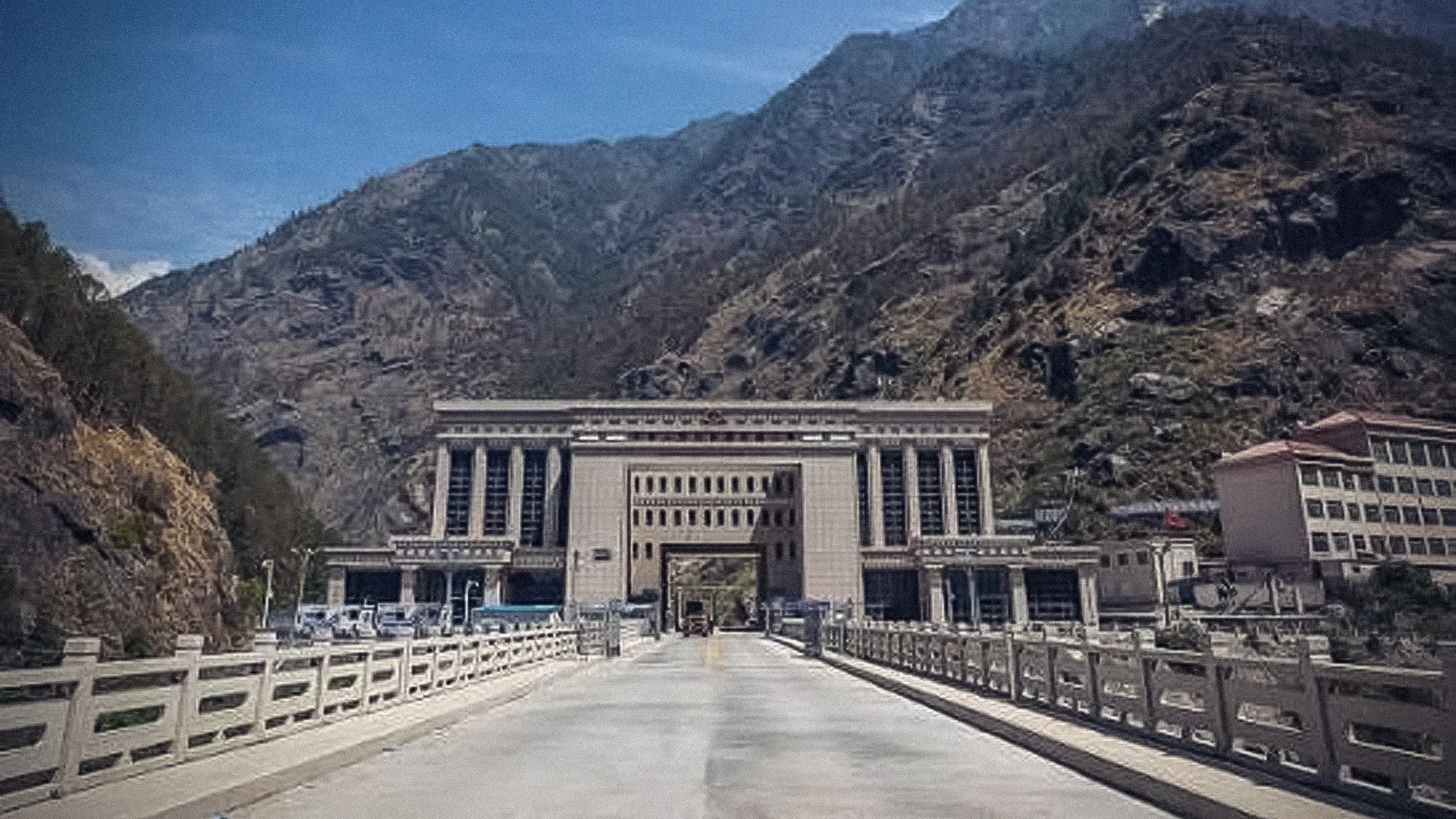
Kathmandu — Serious questions have been raised over whether China provided Nepal with timely risk warnings following a devastating flood in the Nepal-China border region of Rasuwa.
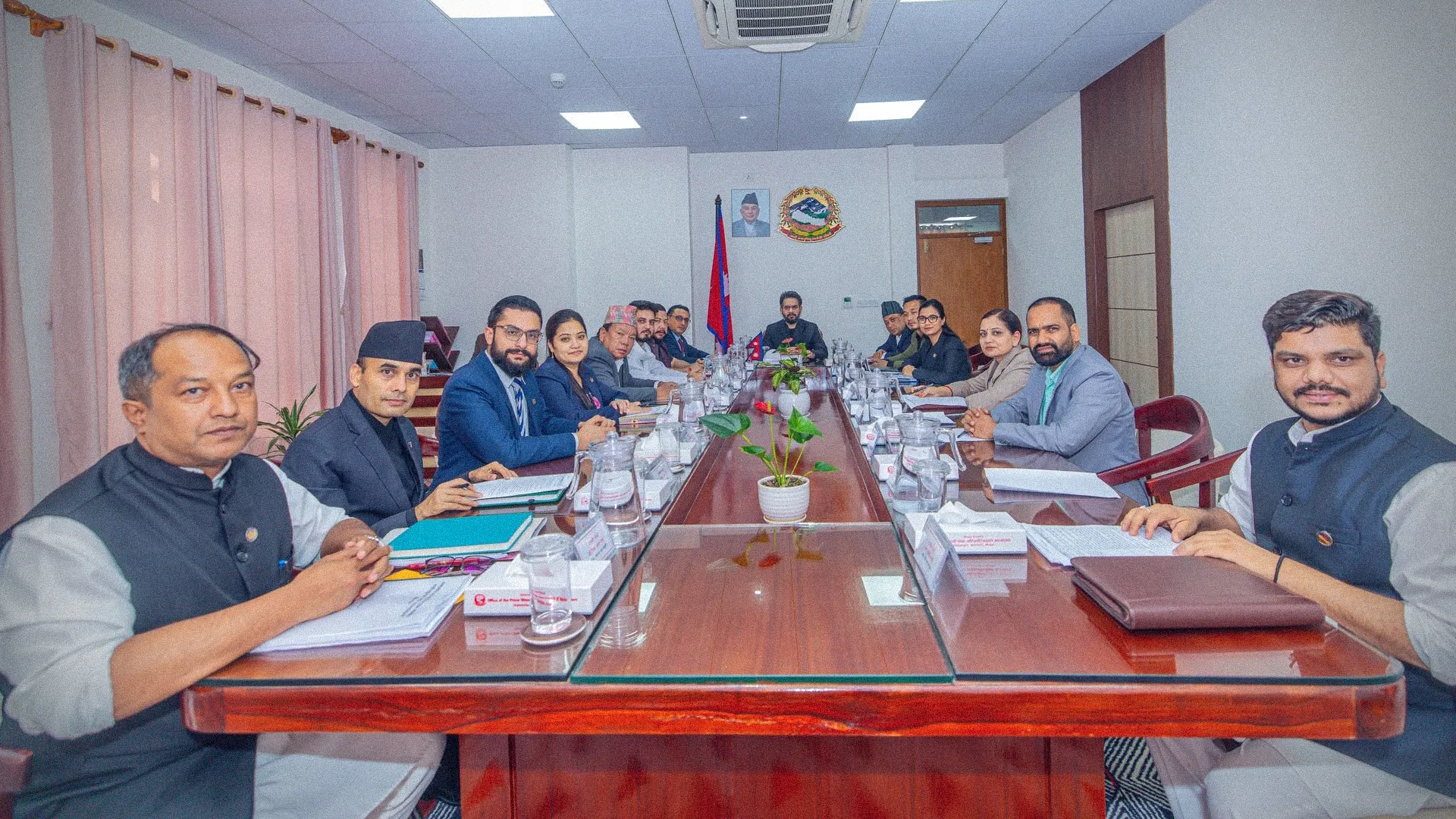
Former Minister Madhav Prasad Chaulagain has claimed that China did not inform Nepal in time about the potential flood risk. Following his assertion, an intense debate has ignited regarding the Nepal-China early warning system and information sharing during natural disasters in the border region.
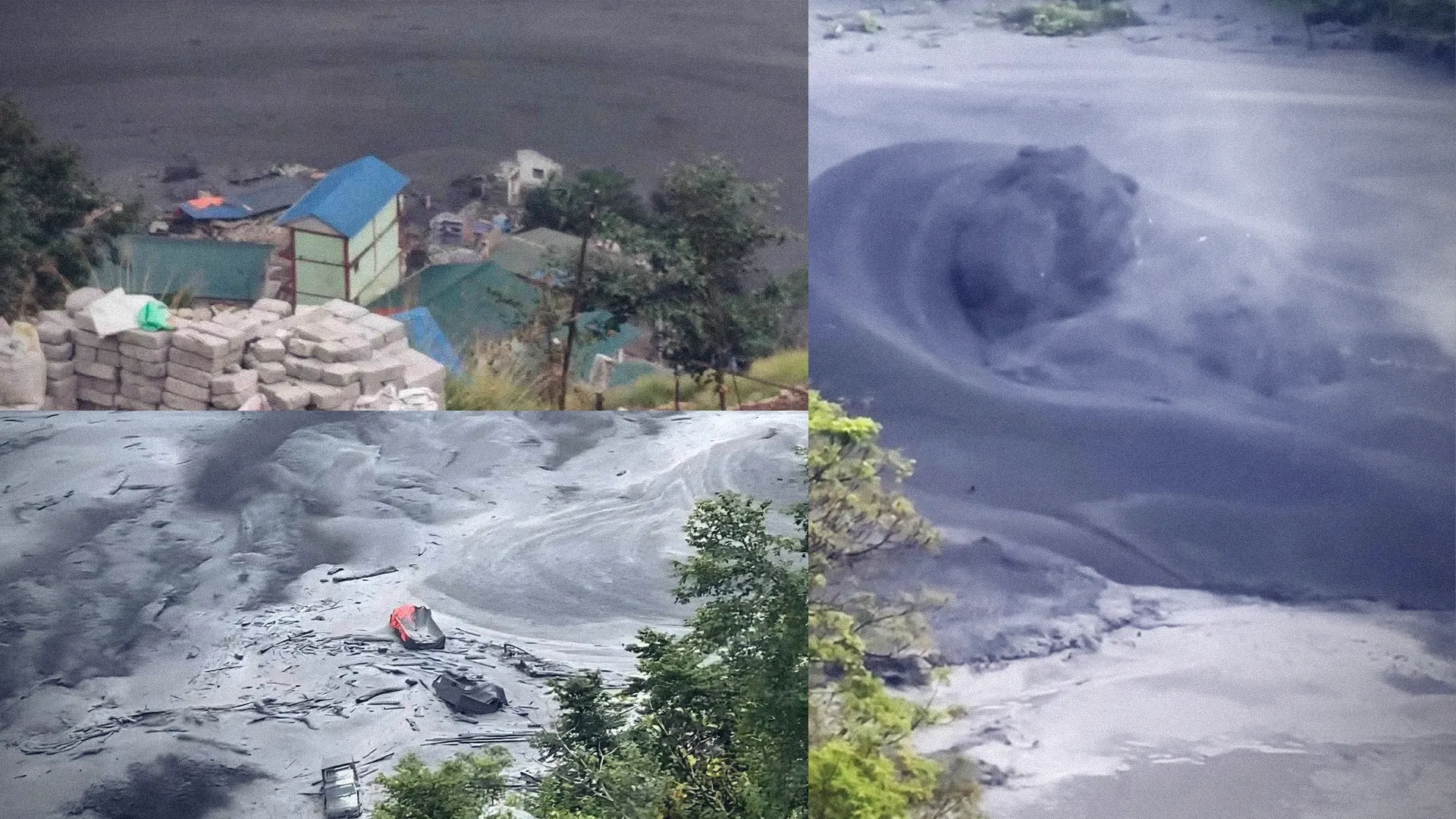
On August 26, a sudden flood in the Bhotekoshi area of Rasuwa caused massive loss of life, property, and physical infrastructure. According to preliminary studies, the event is linked to an avalanche, ice and rock flow, and the resulting flash flood in the high Himalayan trans-border region between Nepal and China. However, investigations into the full cause of the incident remain ongoing.
The flood caused extensive damage to roads, bridges, settlements, and hydroelectric structures in Timure, Rasuwagadhi, and surrounding areas of Rasuwa. The impact of the flood also extended to the Trishuli river system via Bhotekoshi.

Interested in this ad?
Would you like to continue to the link or provide your information for more details?
Please provide your information
To continue, please fill in your details
Following the incident, the effectiveness of the trans-border early warning system has also been called into question. Although Nepal operates a flood forecasting and warning system, officials said the time available was extremely limited due to the rapid speed of the flood arriving from across the border. According to the Department of Hydrology and Meteorology, while data was regularly received from sensors located in the border area, data could not be obtained at a critical moment.
This incident highlights the need to make trans-border disaster information exchange, immediate early warnings, glacial lake and avalanche monitoring, and joint disaster management mechanisms between Nepal and China more effective.
The former minister's claim that China did not provide information has not been independently verified. Therefore, official details need to be released by both Nepal and China regarding this matter.
The main question now remains—how effective is the early warning system between the two countries so that Nepal can receive warnings a few minutes or hours before such sudden disasters originate from beyond the Himalayas?