


A high-stakes political controversy surrounding alleged intermediary Inam Sapkota has sent shockwaves through Nepal's executive, judicial, and law enforcement branches, provoking urgent calls for an independent inquiry into the highest levels of government. The scandal threatens the core credibility of Prime Minister Balendra Shah’s administration, which assumed power on a platform pledged to good governance and transparency.
The fallout intensified following revelations that Supreme Court Justice Hari Prasad Phuyal lodged an official complaint with the Prime Minister’s Office, seeking Sapkota’s arrest after the alleged fixer repeatedly attempted to interfere in judicial proceedings. Phuyal also confirmed meeting Sapkota at a hotel. The situation further escalated when Inspector General of Police (IGP) Dan Bahadur Karki publicly affirmed that Sapkota was detained under his direct orders—a move that reportedly sparked discussions within the Prime Minister's Office regarding the potential removal of the police chief.
Public concern has deepened following the leak of digital messaging logs and photographs where Sapkota allegedly represented himself as Prime Minister Shah's special envoy. Reports indicate that Sapkota showcased his political leverage across various power centers by arranging direct conversations with Prime Minister Shah and his Chief Advisor, Kumar Ben. These connections extend to cabinet members and senior leaders of the ruling Rastriya Swatantra Party (RSP).

Interested in this ad?
Would you like to continue to the link or provide your information for more details?
Please provide your information
To continue, please fill in your details
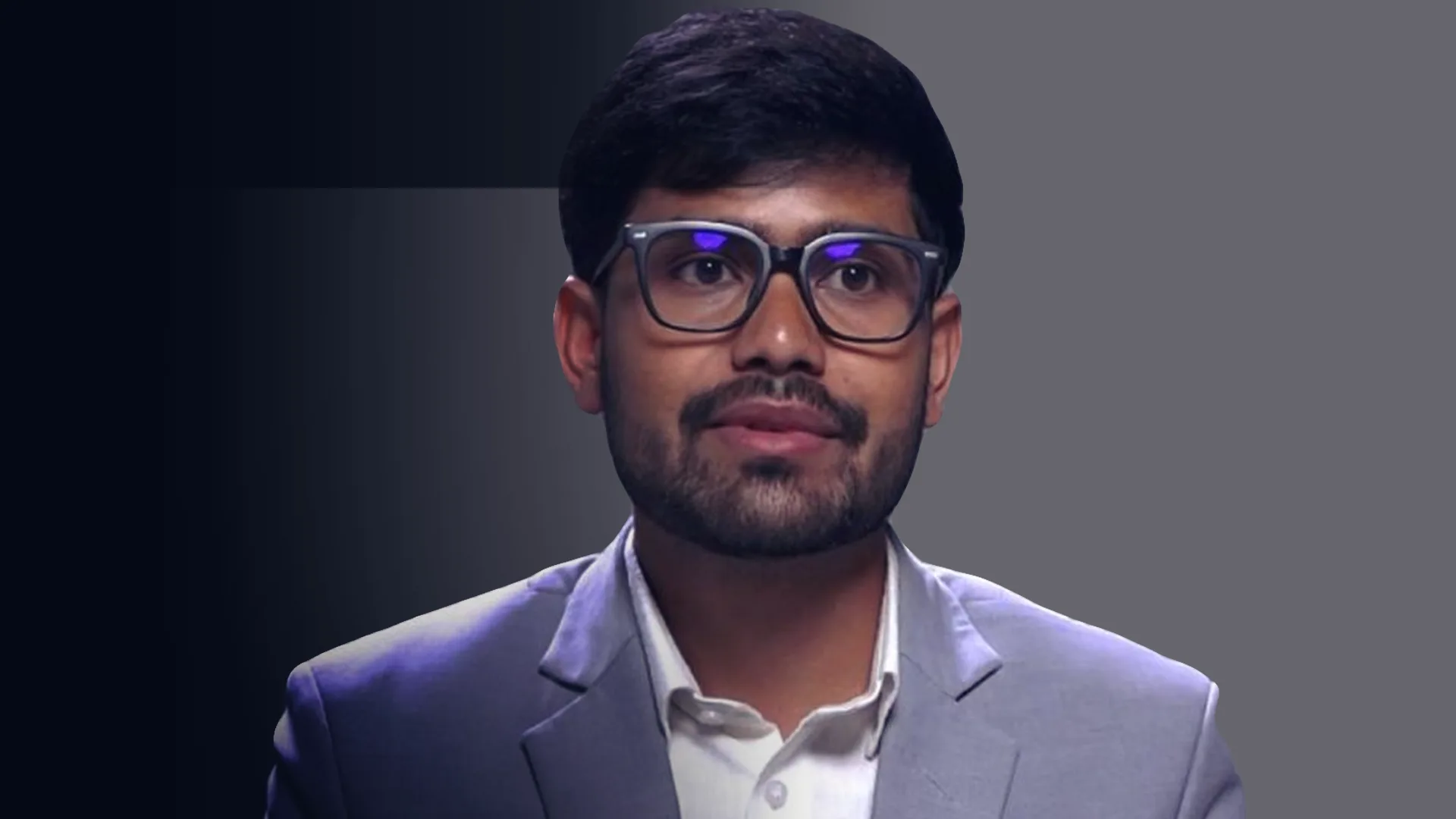
In a public statement, Gen Z activist Ajay Sodari stressed that a government committed to accountability cannot evade scrutiny when its foundational integrity is tested. Sodari demanded the immediate formation of an empowered judicial commission or parliamentary committee to systematically investigate all key figures—starting directly with Prime Minister Shah, Chief Advisor Kumar Ben, cabinet ministers, police leaders, and judges.
Whether the government consents to an open, high-level investigation will serve as a decisive test for Nepal's institutional checks and balances, determining whether anti-corruption commitments extend to the highest corridors of power.