



Nepal is confronting a major economic pivot as easy access to low-interest foreign grants and highly concessional loans rapidly diminishes, compelling the nation to explore private capital markets and innovative financing tools.
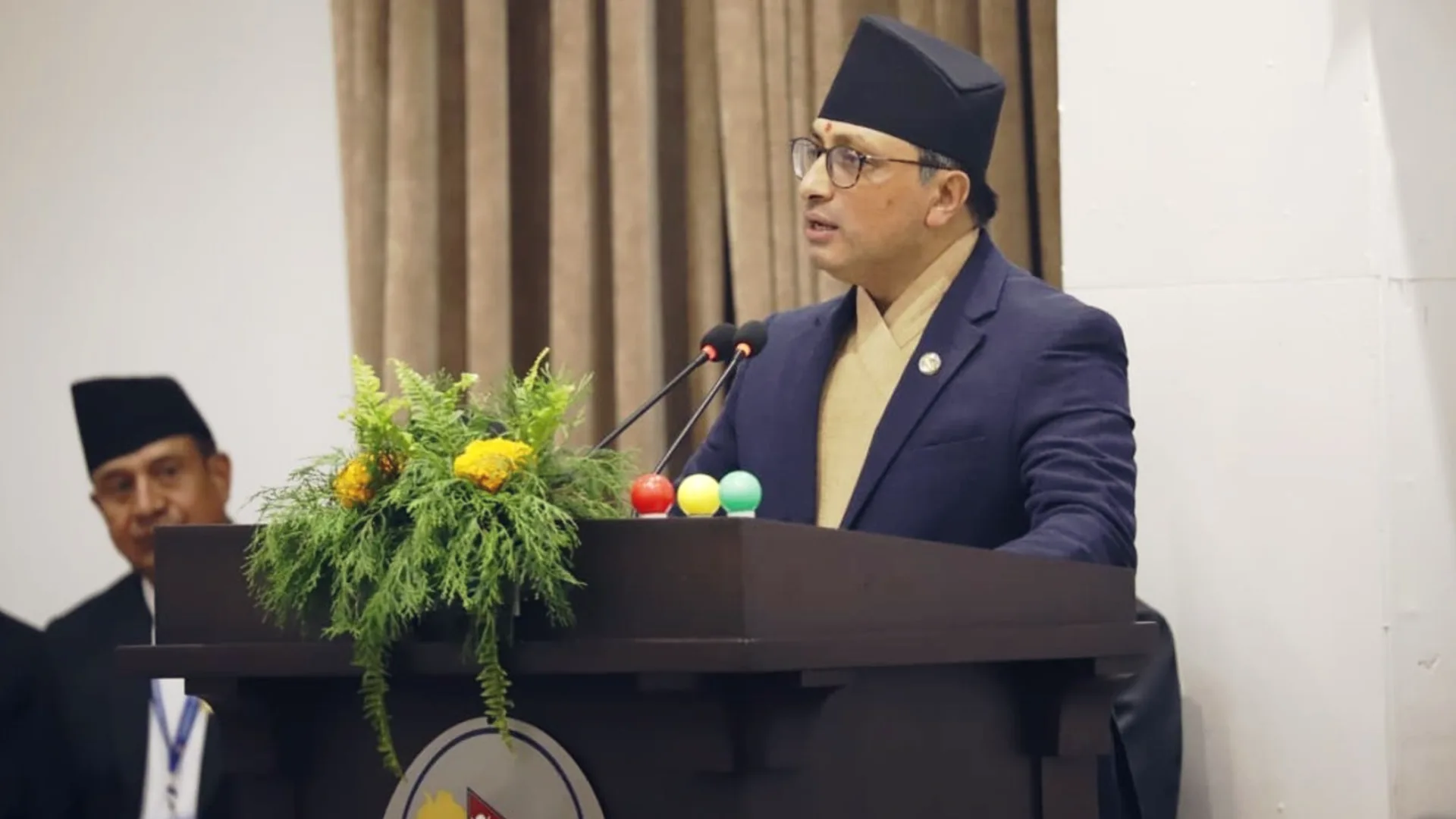
Speaking before the Parliamentary Public Accounts Committee, Finance Minister Dr. Swarnim Wagle alerted lawmakers that the historical era of highly favorable borrowing—featuring 1 to 1.5 percent interest rates and extended grace periods—is drawing to a close.
Though current fiscal projections target nearly NPR 212 billion in external loans and NPR 62 billion in grants, historical trends show actual grant receipts consistently fall short, often yielding merely NPR 10 to 15 billion annually against ambitious budget estimates.

Interested in this ad?
Would you like to continue to the link or provide your information for more details?
Please provide your information
To continue, please fill in your details
Internal execution bottlenecks have further exacerbated the situation. Despite donor commitments, structural deficiencies in procurement and low spending efficiency have repeatedly left allocated foreign development funds unutilized.
With major bilateral donors and multilateral institutions like the World Bank and ADB tightening conditions, Nepal is implementing new legal and regulatory frameworks. The strategy pivots toward hybrid annuity models, offshore bonds, diaspora capital, and alternative development finance to bridge the growing infrastructure funding gap.