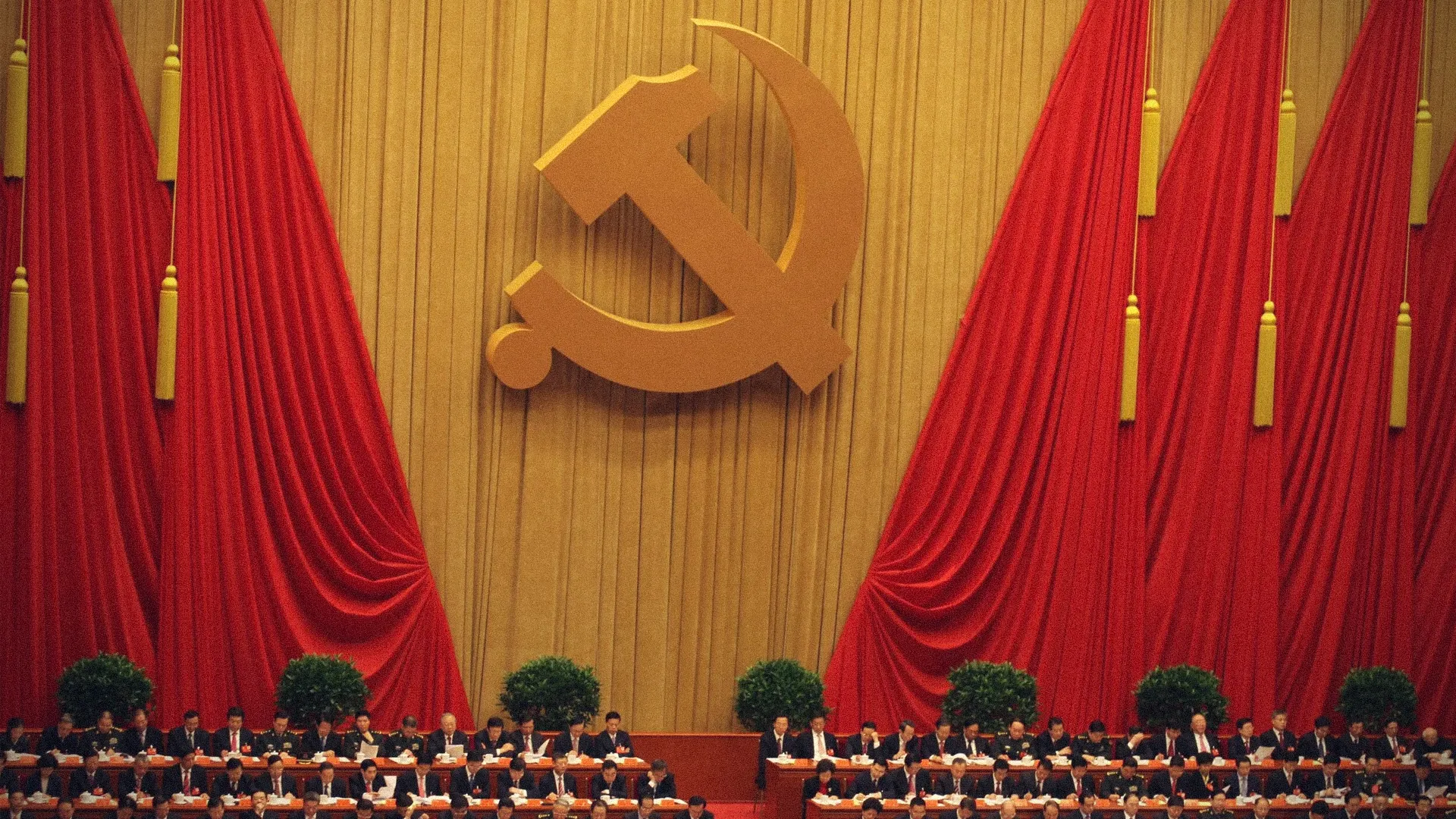



Beijing's long-standing playbook of export-led manufacturing and massive infrastructure expansion is hitting a wall, leaving ordinary citizens and businesses exposed to a deepening deflationary vortex.
The world's second-largest economy experienced a further cooling in consumer price gains, which decelerated to a modest 0.5 percent in July. This mark represents the third straight month of slowing inflation and the softest expansion in half a year. Even as worldwide energy costs faced upward pressure, domestic demand inside China remained so fragile that retail prices failed to react, while factory gate prices continued to contract under heavy production overcapacity.
The fundamental distress stems from deep structural imbalances rather than a simple cyclical dip. China's once-booming real estate domain, historically a pillar of domestic wealth and municipal revenues, remains paralyzed following developer insolvencies. As property values drop, millions of families are watching their net worth erode, driving households to hoard savings rather than spend.
Uncertainty among consumers is further amplified by widespread employment anxieties. High youth joblessness and slowing wage growth have turned households extraordinarily cautious, causing buyers to delay non-essential purchases in anticipation of steeper discounts. This demand deficit is forcing enterprise price wars, cutting into corporate earnings and stifling private sector investment.

Interested in this ad?
Would you like to continue to the link or provide your information for more details?
Please provide your information
To continue, please fill in your details
Efforts to engineer a turnaround are complicated by government interventions that have unsettled the private market. Regulatory actions against major technology and educational firms, combined with preferential credit access for state enterprises, have discouraged private entrepreneurs and prompted foreign investors to reallocate capital toward alternative global markets.
Compounding these challenges are severe demographic headwinds, as a rapidly aging population and shrinking workforce constrain long-term consumption capacity. High debt levels across local municipalities—traditionally reliant on land transfers—further limit fiscal flexibility.
While China retains world-class manufacturing infrastructure, experts emphasize that sustained recovery requires shifting focus toward direct household stimulus, market stabilization, and restoring private enterprise confidence to break the deflationary spiral.