


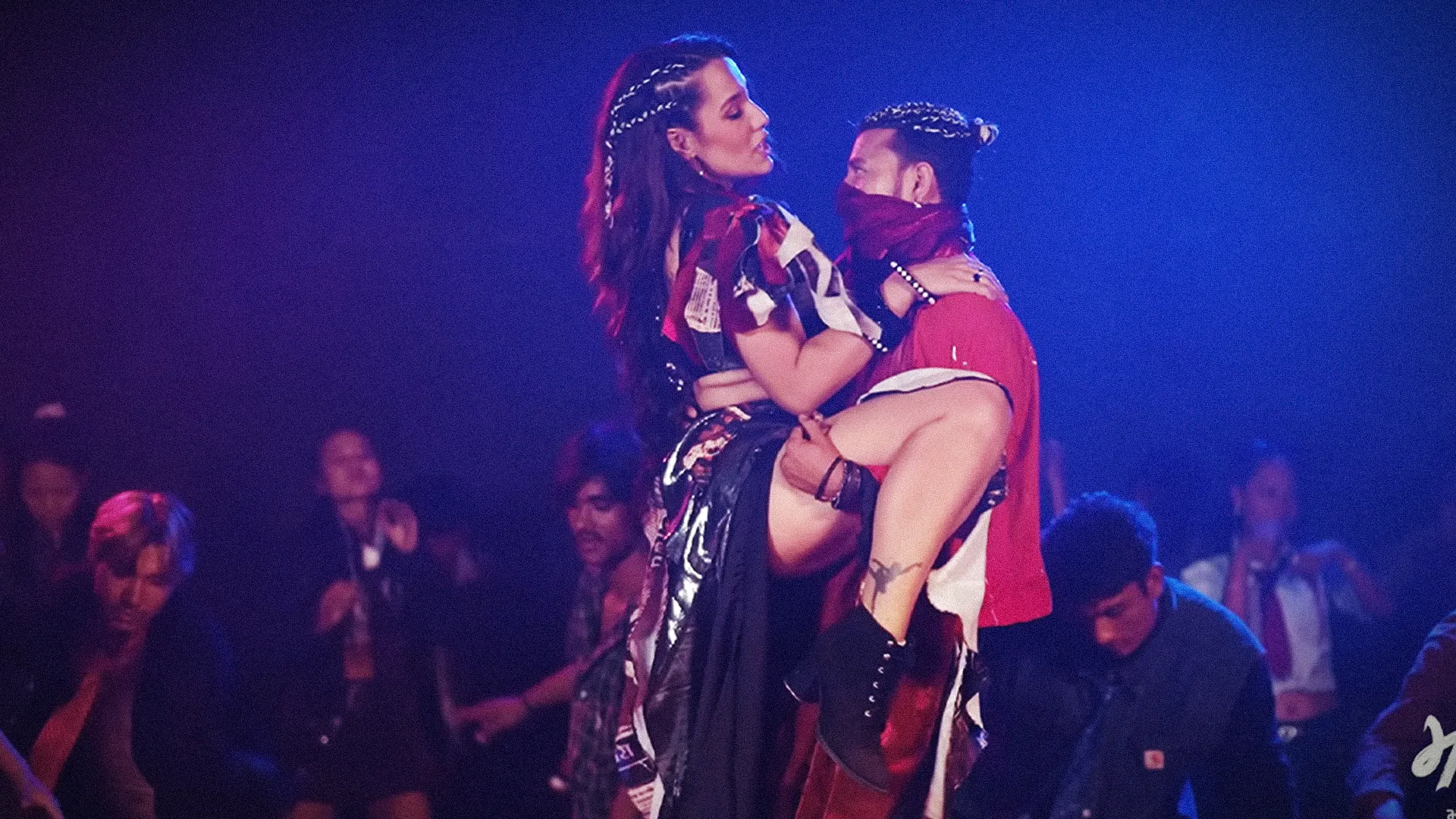
Following widespread protests and intense criticism from academic circles, the producers and artists of the movie ‘Masatarni’ have finally been forced to back down, acknowledging their mistake. After nationwide outrage escalated over claims that the movie's promotional song tarnished the teaching profession, social dignity, and the self-respect of female teachers, actress and producer Priyanka Karki and singer Durgesh Thapa issued separate clarifications apologizing to the general public. The controversial song has been permanently removed from Durgesh Thapa's official YouTube channel and all their other social media platforms.
Interestingly, after being cornered from all sides, the production team has now begun claiming that the song was never a part of the movie's main storyline. Writing a lengthy message on her social media, actress Priyanka Karki asserted that the song was not an official track included in the movie, but was prepared purely for promotional purposes through mutual coordination. Stating that she had no intention of negatively impacting society's most respected profession and guiding figures while delivering art and entertainment, she expressed regret and apologized for inadvertently hurting the sentiments of the audience and the Nepal Teachers' Federation. Similarly, singer Durgesh Thapa, while elevating the audience and teachers to the status of gods, admitted that the dignity of teachers was mistakenly hurt under the pretext of promoting in an entertaining style, and offered a heartfelt apology.

Interested in this ad?
Would you like to continue to the link or provide your information for more details?
Please provide your information
To continue, please fill in your details
While the song has been removed from social media and the makers have taken this as an ‘important lesson,’ this apology and surrender do not appear entirely complete. Both individuals have cleverly maintained silence regarding the serious linguistic, patriarchal, and intellectual questions previously raised about the movie's title, ‘Masatarni.’ The production team has yet to provide any clarification regarding the multiple meanings embedded in the name, its confusing intent, and the patriarchal mindset that wrongly categorizes a female teacher or someone's wife. Will the audience truly be liberated from the cheap and misleading mentality carried by the movie's name simply by removing a vulgar song filled with obscene words? This question still remains unanswered.
In reality, this intense protest by ordinary citizens, parents, and intellectuals on social media was entirely justified and necessary. It is clearly evident that the makers chose this path of ‘damage control’—meaning the apology—only after realizing that the movie would completely ‘flop’ before even hitting the theaters, and that their investment would go down the drain like pouring water on sand. Had the audience not shown such vigilance and instead remained silent, this trend of serving vulgarity and perversion in society in the name of art would probably not have stopped. Learning a lesson from this incident, it is essential for producers making movies in the future, artists appearing on screen, and directors driving the films to become more responsible, dignified, and conscious of social accountability and the integrity of creation. Future makers must understand in time that art is not just a business, but also a mirror that guides society.