

Narayan Manandhar
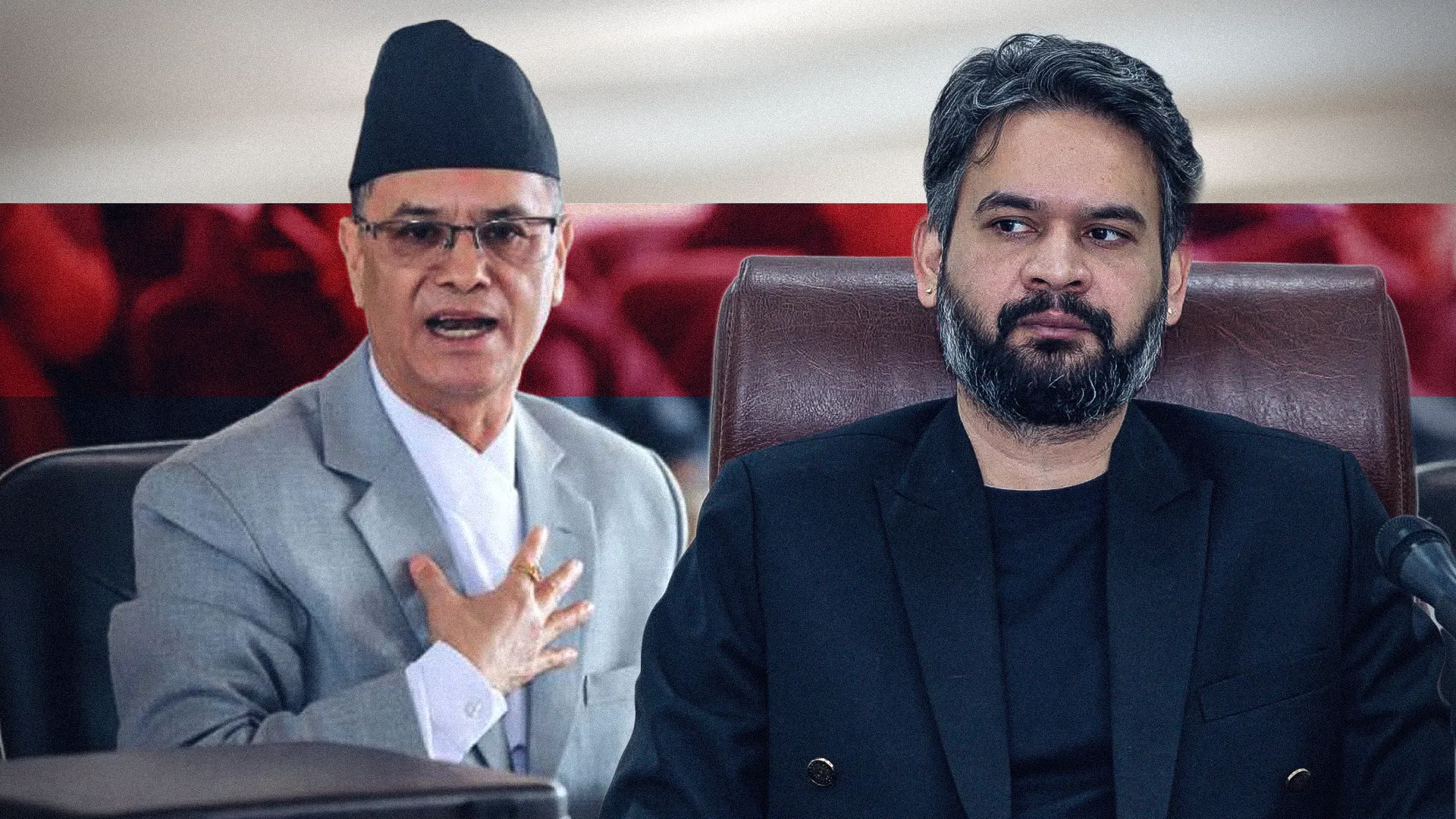
From the very start, the Karki Investigation Commission (KIC), formed to investigate the 8–9 September incidents and recommend appropriate measures to punish the culprits, was dragged into controversy. The KIC Chair, Mr Gauri Bahadur Karki, was himself in controversy for his rants against political party leaders during the height of the Gen-Z movement. Many believed that, because of his bias, he was not fit to undertake fair and impartial investigations.
There are several other factors that discredit the workings of the KIC. First, the deposed PM Oli refused to recognize the body. He did not give a cent to it. Second, he refused to give testimony. Instead, he stated that if they wanted to have his statement, they should visit him at his residence. As part of a humiliation strategy, he promised to “offer tea and cookies” to the visiting officials. Third, the body came face-to-face with the then police chief. The KIC fined the police chief Rs500 for disobeying its order. Fourth, the army also refused to cooperate, saying it has a distinct chain of command.
To investigate complicated incidents that took place all over the country, a three-month duration is simply not enough. Definitely, there are technical and forensic matters to be investigated, such as the possible use of inflammable chemicals or materials, as pointed out by The New York Times, to instantly burn down modern structures. Given the scale and nature of the incidents, the Gen-Z riot gives an impression of organized and coordinated actions.
Tenure extension
Initially, the KIC was formed for three months. The media reported a delay of 20 days in establishing its secretariat. After the expiry of three months, its tenure was extended by a month, ending on 22 January. The extension was made in view of an expanded mandate after the Karki government signed an agreement with Gen-Z representatives. The expanded mandate included recommendations on the types of charges and punishments for the culprits, in addition to the investigation.
After the expiry of the first extension, the tenure was further extended by 20 days. This extension is coming to an end on 11 February. Social media reported that the tenure was extended so that the study report would not influence electoral outcomes. Elections are scheduled for 5 March. However, KIC officials reported that they still have 20 percent of their tasks unfinished. There is a looming doubt that the tenure may be extended further. If this happens, it will only help to discredit the KIC.

Interested in this ad?
Would you like to continue to the link or provide your information for more details?
Please provide your information
To continue, please fill in your details
An outspoken UML leader, Mr Mahesh Basnet, opines that the KIC will submit its report a couple of days ahead of the elections, implicating their president, Mr Oli, thereby influencing opinion polls against the UML. If this happens, he warned, “UML is prepared for this.” His president, Mr Oli, has demanded that the report be released as soon as possible, before the elections. He is making this demand in view of constant charges and being put into a kind of hostage situation by his opponents, who brand him as “the murderer of innocent students.” He wants to be cleared of these unfounded charges before going to the polls.
There is also a looming doubt that the KIC has not implicated Oli; therefore, his die-hard opponents are charging him to gain electoral advantage. Since no one knows what is in the report, all we can do is speculate.
Squeezed between the two
Literally, the KIC is squeezed between two contradictory demands. At one end, Gen-Z representatives are demanding that the KIC complete its report as soon as possible, naming the officials involved in giving orders to shoot demonstrators, particularly on 8 September. Basically, they are pointing fingers towards PM Oli and his Home Minister, Mr Ramesh Lekhak, and want them behind bars. This is easier said than done for an Interim Government wobbling under various demands while holding elections.
Those opposed to the idea of the Gen-Z movement point their fingers towards nabbing culprits involved in mass-scale riots, burning, and looting of public and private property, particularly on 9 September. The KIC must be under great pressure to reconcile these two demands arising from two separate days of incidents. At the initial stage, the Home Minister was reported to have directed the police to stop apprehending culprits of the Gen-Z riots before the completion of the KIC investigation. This literally put a kind of standoff between the Nepal Police and the Home Ministry.
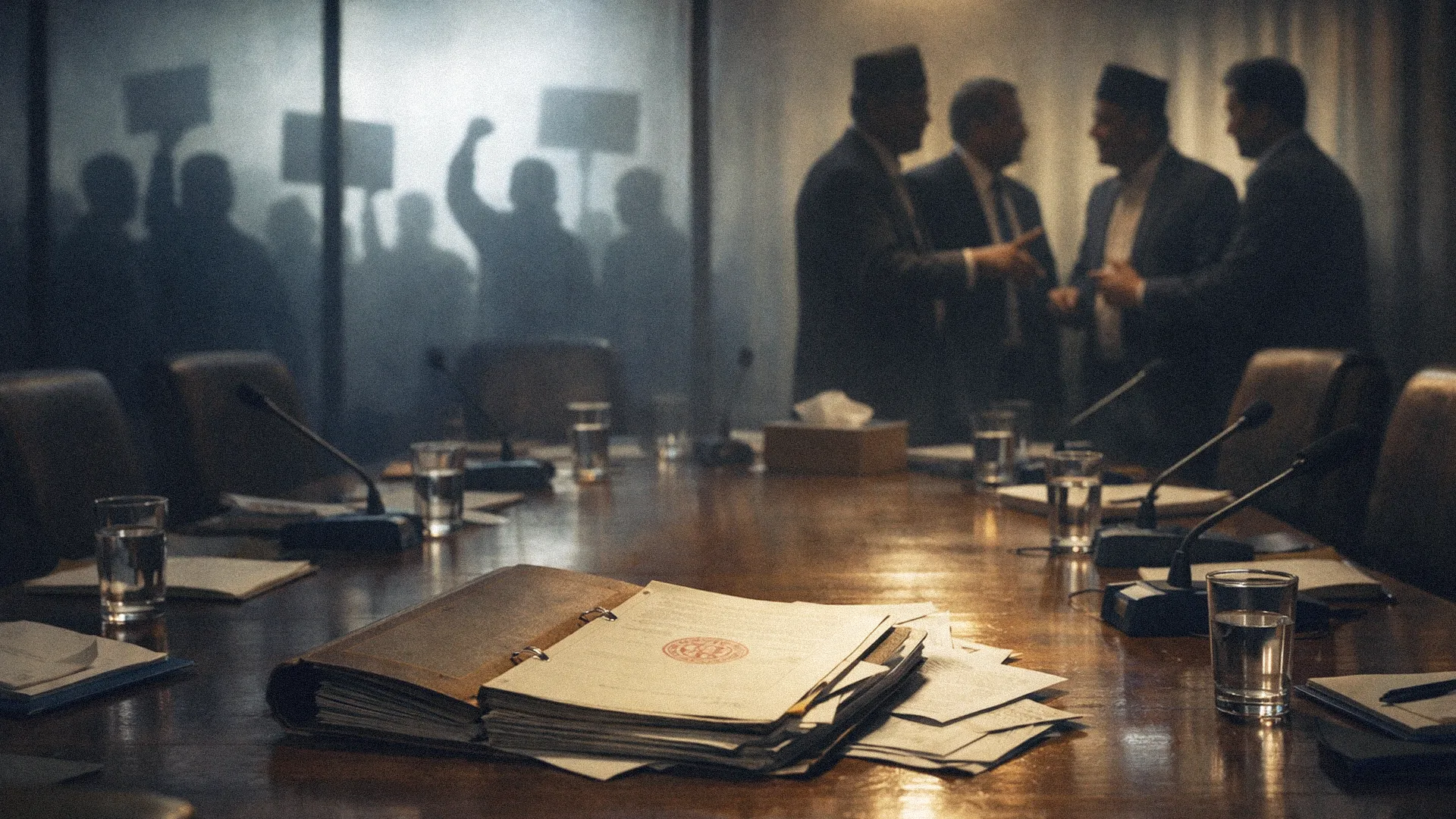
Definitely, the KIC is in a difficult situation, balancing the acts between the 8 September and 9 September incidents. A slight tilt towards one day may offend the other party, and vice versa. Moreover, the KIC’s work is very much under the glare of the media. The public is carefully watching its report—its content, language, structure, methodology, and overall conclusion. The report may make or break the Sushila Karki government.
It is reported in the media that the KIC interviewed more than 200 people, both inside and outside Kathmandu. The depth of forensic investigation will only be known after the publication of the report. Given our experience with similar past investigative commission reports—often leading to a situation of impunity—there is no shortage of skeptics. It could be a ploy to extinguish the Gen-Z fire or to buy time for the Karki government.
The more dangerous part is that it could turn out to be very much like the “Royal Palace Massacre Report,” which was basically descriptive in nature, summarizing “who said what” in a fuzzy manner. I suppose the report is over 1,000 pages long, with loads and loads of useless appendices. Who knows? People in the judiciary are renowned for using bahunistic double-meaning words and phrases. Instead of using positive sentences, they prefer double negatives. In the end, we need to watch their methodology—that is where professionalism shines. Do they know an investigation company called “Bellingcat”?