


Narayan Manandhar
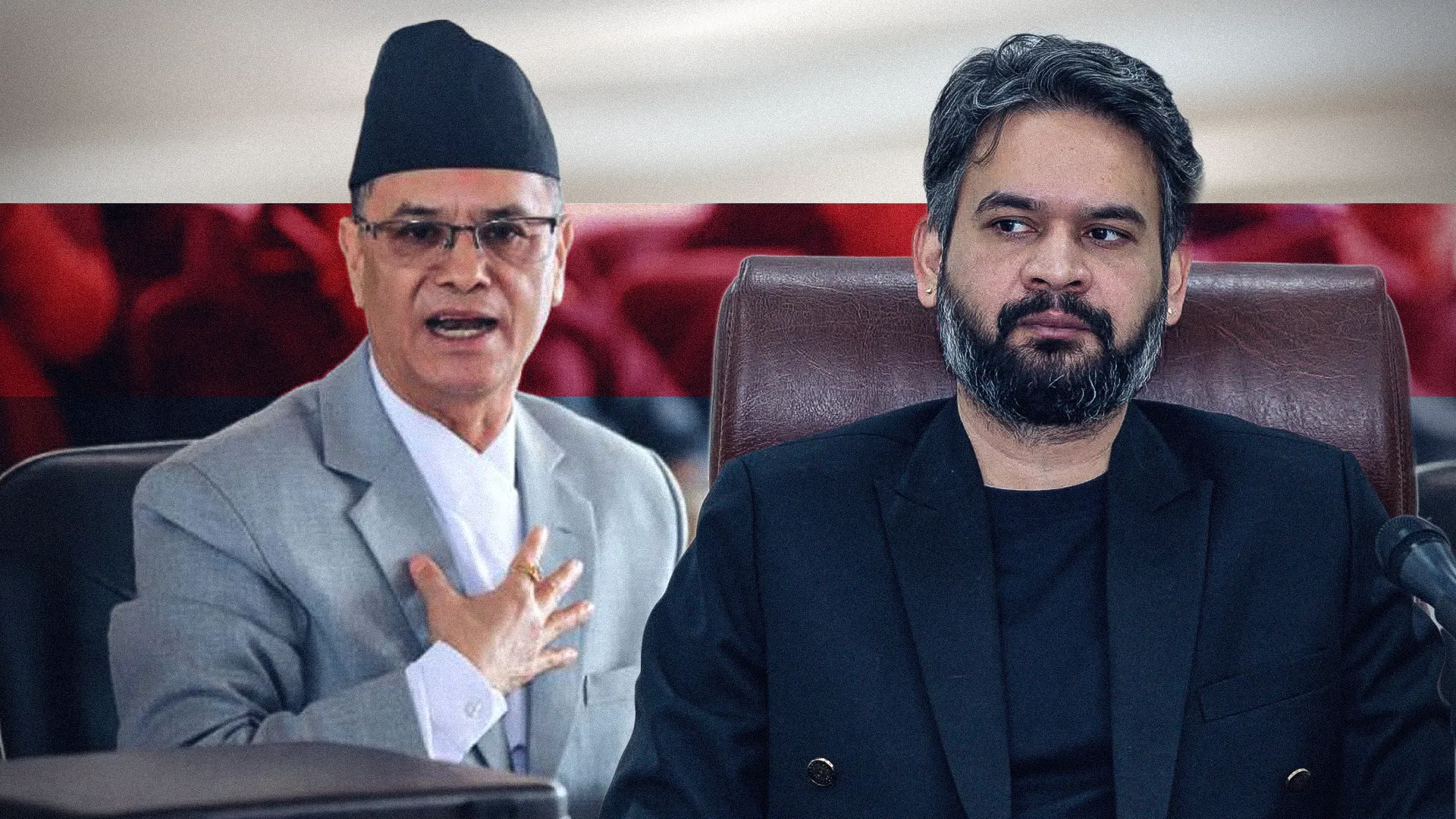
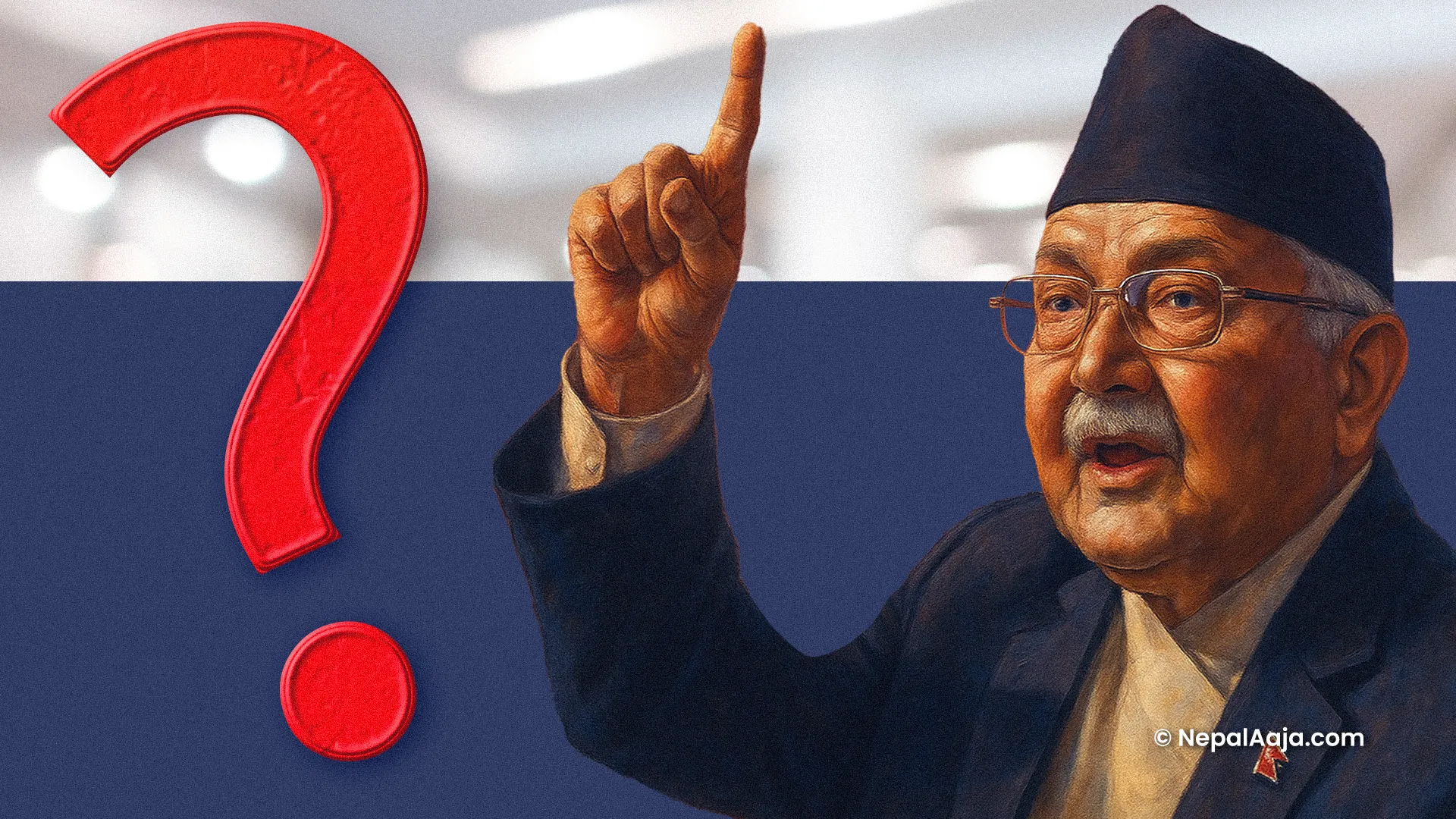
Post Gen-Z movement, CPN-UML president Oli has suddenly become a hero to me. I even called him the Bruce Lee of Nepali politics, though I am still waiting for the script called Enter the Deuba. Remember, I wrote earlier, the electoral outcome will be an ultimate litmus test of Gagan Thapa’s leadership. Now, he is in docks. I also wrote Biswo Prakash to be an underdog.
Earlier, fed up with Olitics-politics, Oli was a sore to my eye sight. Things changed completely after Gen-Z, particularly, with his unwavering stand against the movement and the violence that ensued. You cannot produce legitimate outcome through an illegitimate process. This is the fundamental belief I had in mind when Oli criticized Karki Government. He did not gave a cent to the Karki Investigation Commission. That is the most correct thing to do. For me, Karki is nothing more than an attention seeking creature. May be, he better check his email history with this scribe. Literally, I saw Oli as a one-man army. He is fighting every front - inside and outside his party.
The social media is now washed with a debate whether he should or should not resign - on moral grounds, on taking responsibility for electoral disaster and for bringing the party to a brink of collapse.
I continue to hold on to the belief that the present day political situation is close to Janamat Sanghra days. Did anyone took a notice? Let me come to the main point of this writing.
In the aftermath of 9/11 incident, debate ensued in Western media over the issue of security vs. Freedom. Is it Ok to give up little freedom for the sake of personal security? I don’t know who said this exactly, may be a quotation from President Abraham Lincoln: “Some one seeking give up a little bit of freedom for the sake of security can easily ends up having none”. Exactly, similar situation happened here for Oli and Deuba.
Deuba faction of NC and UML under Oli sought to keep their two feet in two boats - reinstatement of the parliament through court and going to the polls. At the end, neither they were successful in parliament reinstated nor could they achieve anything from the elections. Instead they ended up with a shameful defeat. Winning and losing is a natural outcome in an electoral process but a different thing when you end up with a shameful defeat.
Is not it Raghuji Pant or someone else from UML? Informing in the social media that, within UML, they had a debate over whether to boycot elections or contest them. At the end, they decided to contest elections.

Interested in this ad?
Would you like to continue to the link or provide your information for more details?
Please provide your information
To continue, please fill in your details
Including Nepali Congress, UML cannot refused to participate elections, that literally means scrapping up their democratic credentials - jabaja - janatako bahudaliya janabad or people’s multiparty democracy. The party cannot push for court reinstatement of the House though Oli could be seen too critical of the court dillydallying with the writ petition. This is because Oli is being haunted by his earlier decisions, not just once but twice, to dissolve the parliament. He was in a kind of moral slippery slope.
A willy-nilly, wishy-washy style of leadership which cannot refuse going to the polls and demand parliament reinstatement ended up in a disaster. Remember, Oli, to the last hour, expressing his skepticism with the environment for elections. He has not disclosed what transpired his two rounds of meeting with the madam PM Sushila Karki before going to the polls.
His close partner in arms, Nepali Congress president Mr Sher Bahadur Deuba, literally, kept quiet after first being manhandled by Gen-Z rioters and second, ousted by Gagan Thapa through an administrative like coup within the party.
Instead of getting into controversy, he even decided to fly to Singapore during election period. He refrained from speaking anything - for or against the elections. Only few of his seven samurai contested elections - the results were disaster.
The problem with Oli and UML is due to their non-decisiveness or wishy-washy style over elections vs. parliament reinstatement. The court decided to keep away from the controversy by delaying the verdicts. Currently, there are two significant pending cases. One, related to legitimacy of Gagan Thapa calling Special General Assembly to oust Deuba and two, reinstatement of the parliament. With regards to the second case, the court may issue a verdict saying the case to be irrelevant post elections. But technical ground alone does not resolve the court from giving judicial interpretation. With regards to the first one, there is greater possibility of, what I have been thinking, Enter the Deuba type scenario. Already, some NC members are opining that the legitimacy of the Special General Assembly is over and they are effectively demanding Gagan Thapa’s resignation. Counter arguments like time constraints plus hypothetical argument that things would have been worse under Deuba leadership have little value here. Who knows what would have happened if NC decided to go to the polls before or after the General Assembly?
An option is now being floated that Deuba faction may withdraw the case in lieu of having a neutral central committee body to call General Assembly in Baisak (April/May) that will decide on new NC leadership. Earlier, I do remember, Min Bahadur Biswokarma proposing that both parties to the dispute accept court verdict, irrespective to its outcome before going to the polls. This mid way solution could have, at least, projected NC unity to the public. The disaster is due to NC going to the polls with a divided mind set. Forget about mind set, Deuba faction literally stay muted.
If anyone here is thinking that RSP, with two-third majority, finally, here to give political stability in the country. This will be a greatest illusion of a kind. Did we have political stability post janamat sanghraha days? What happened to the panchas win over multi-party wallahs? One can refute this saying, “come on, this is not panchayat”. There can be many excuses or rationalizations. Monarchy may have bite the dust but we continued to be haunted by panchayat days politics. Political stability and instability are illusive concepts. What you call 104 years (1846-1951) of rana rule? Stability or instability? If you call it a situation of stability, I suppose, it is only three rana prime ministers - Jung Bahadur, Chandra Sumsher and Juddha Sumsher ruled the country at their discretion. Jung ruled with his sword, Chandra Sumsher favoured by WW I situation and Juddha Sumsher by WW II situation. By the way, WW III is in offing or has started?
So far the defining line of politics in Nepal has been congressi, communists and panchas or rajabadis character. These are over now. The days of janajatis, madhesis and tharus are also over. The generational politics, that is, offspring of politicians becoming politicians, is also over. Age has no relations with knowledge or experience or even loyalty. This is a new age. The age of machine politics - whoever can handle this machine will win the elections and stay onto the power. Oli is outdated, he is obsolete, better handover the power to the next generation. This is the only way to save and salvage the party.