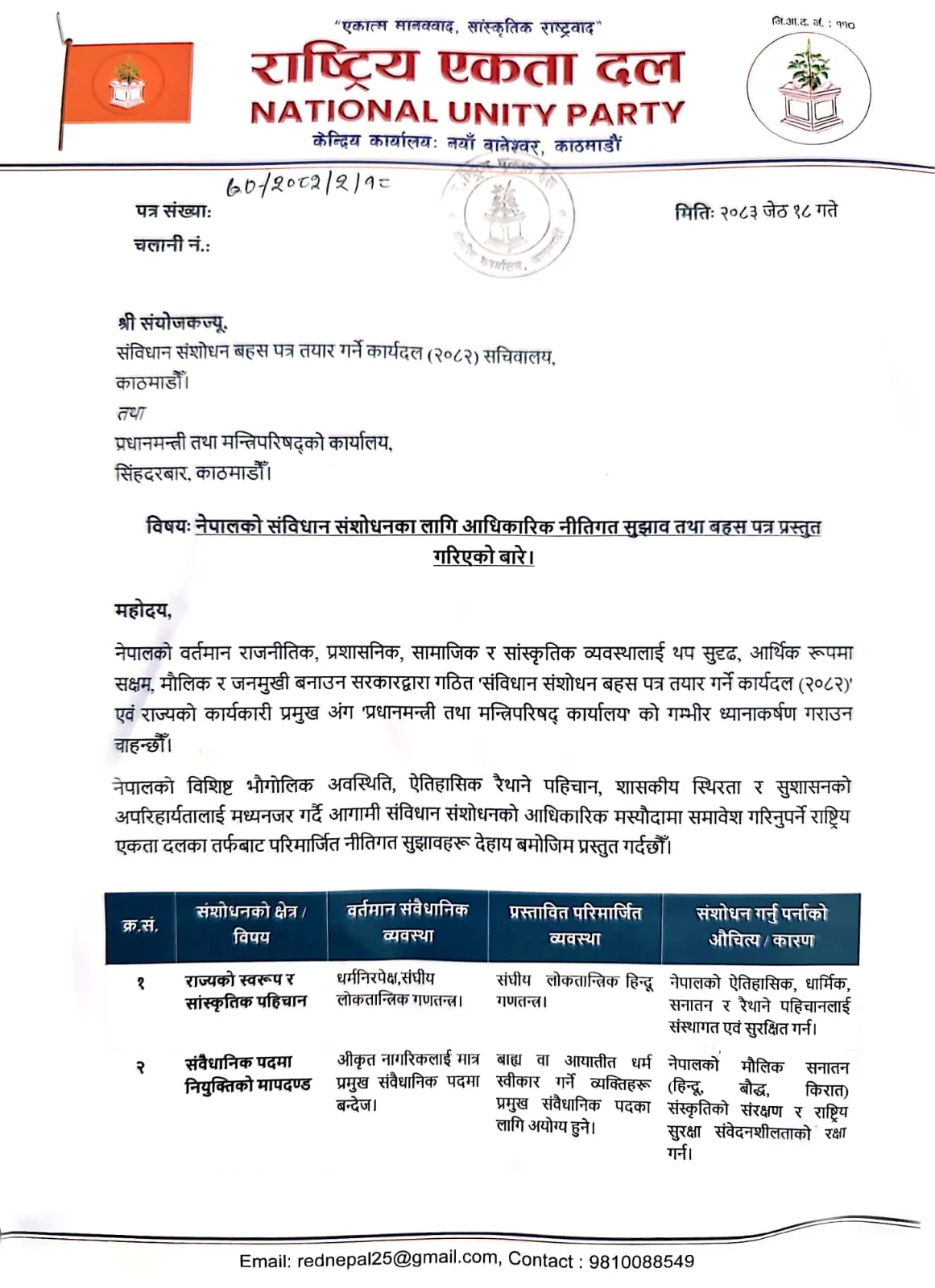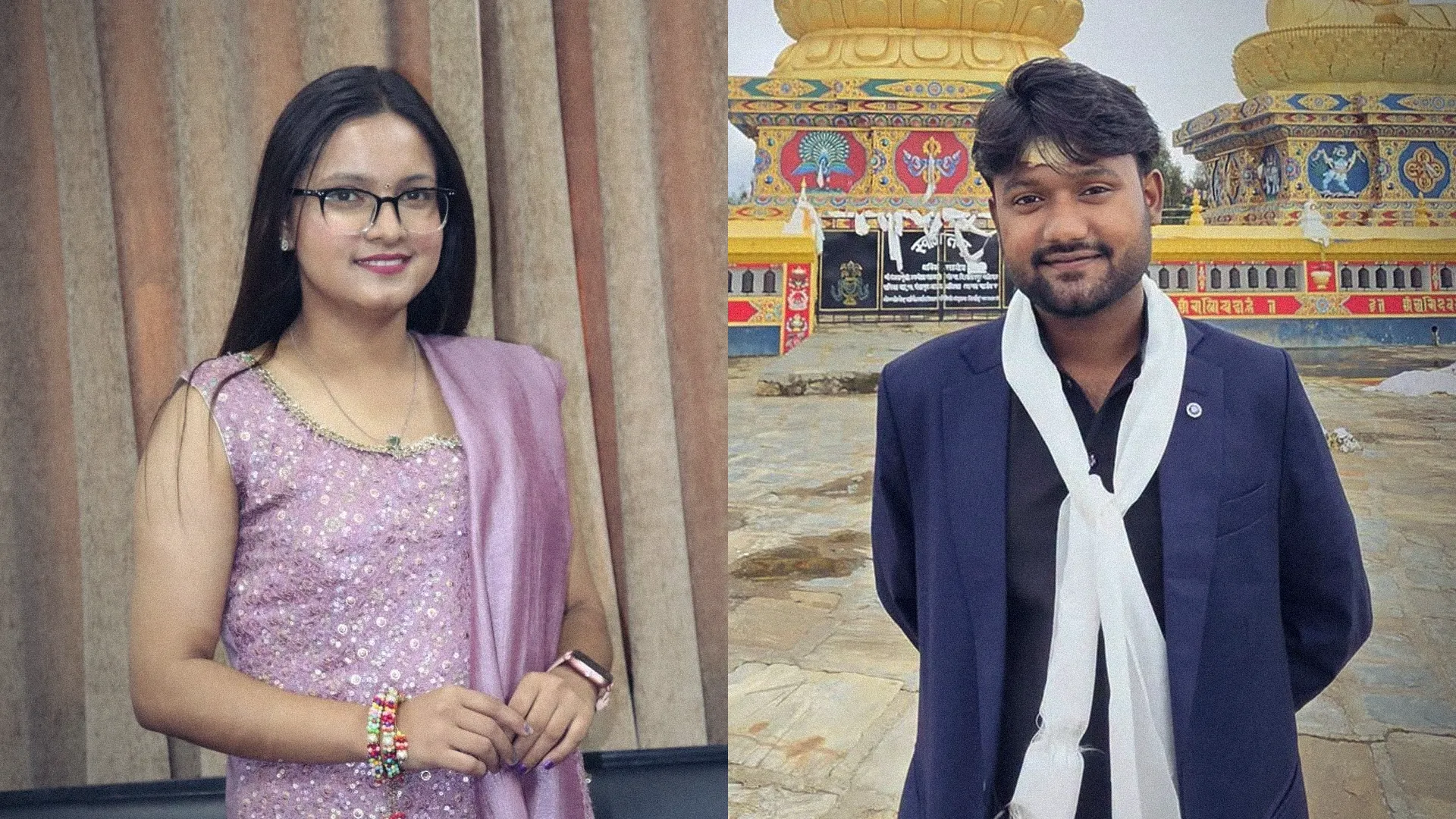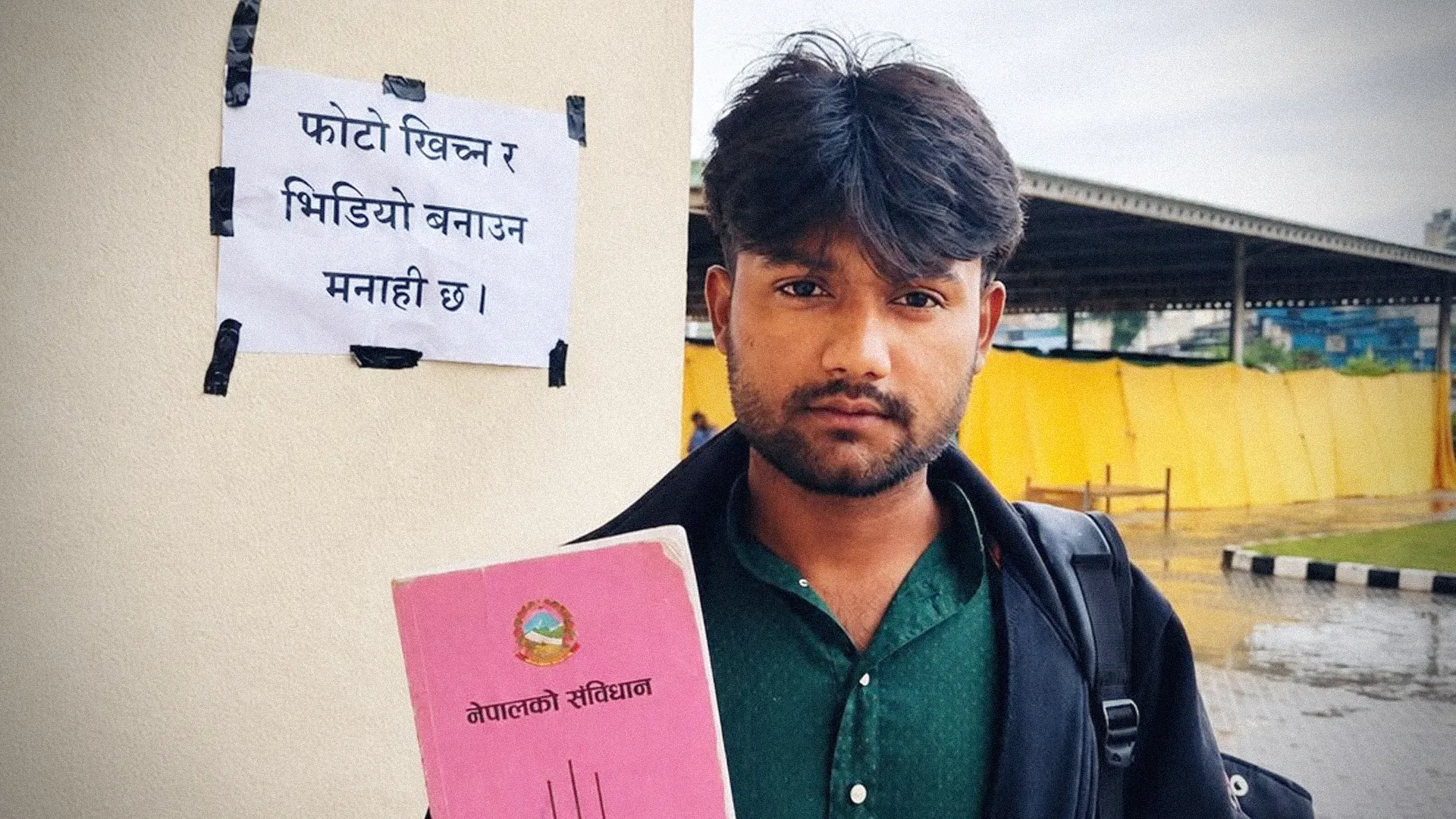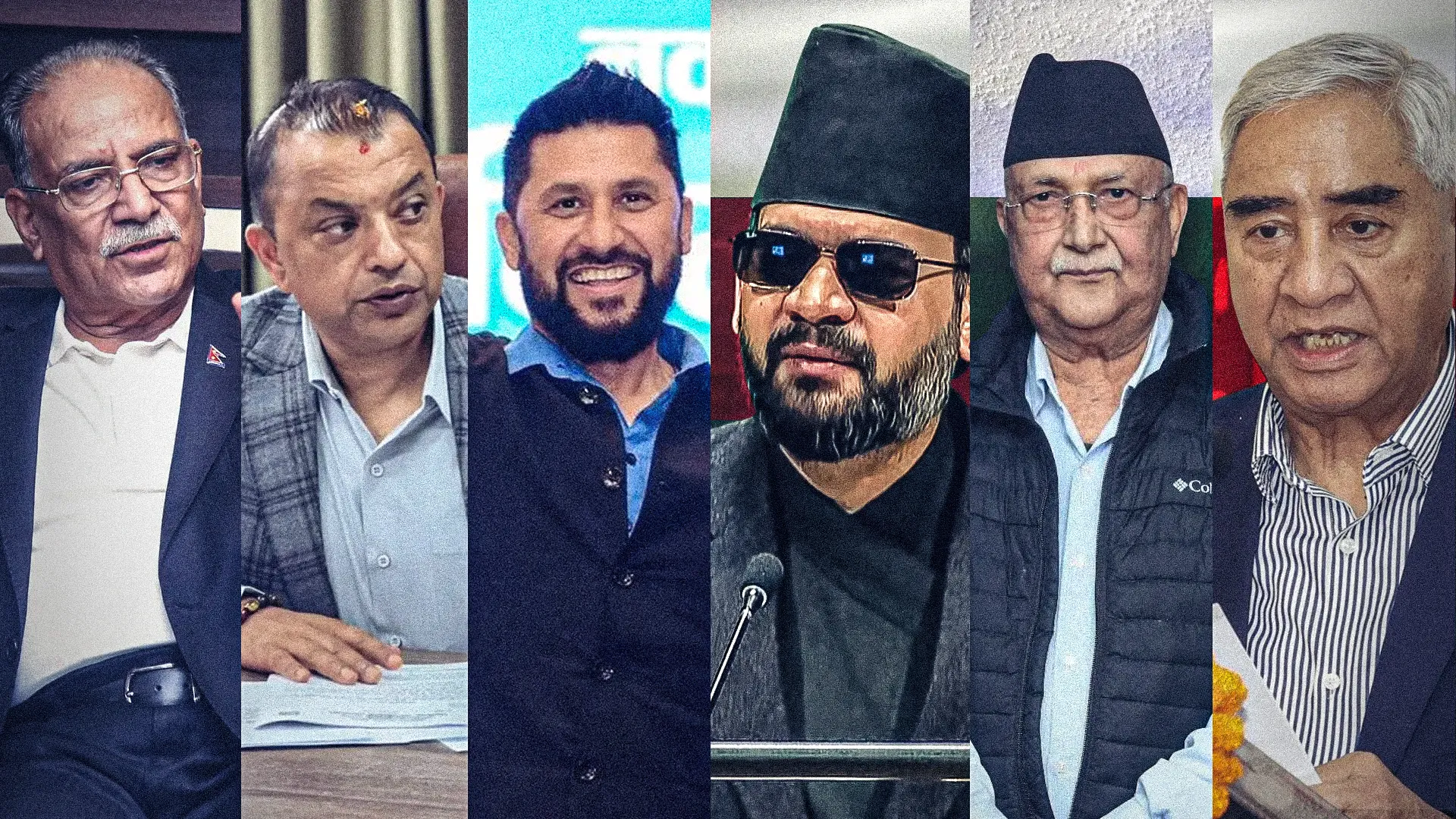



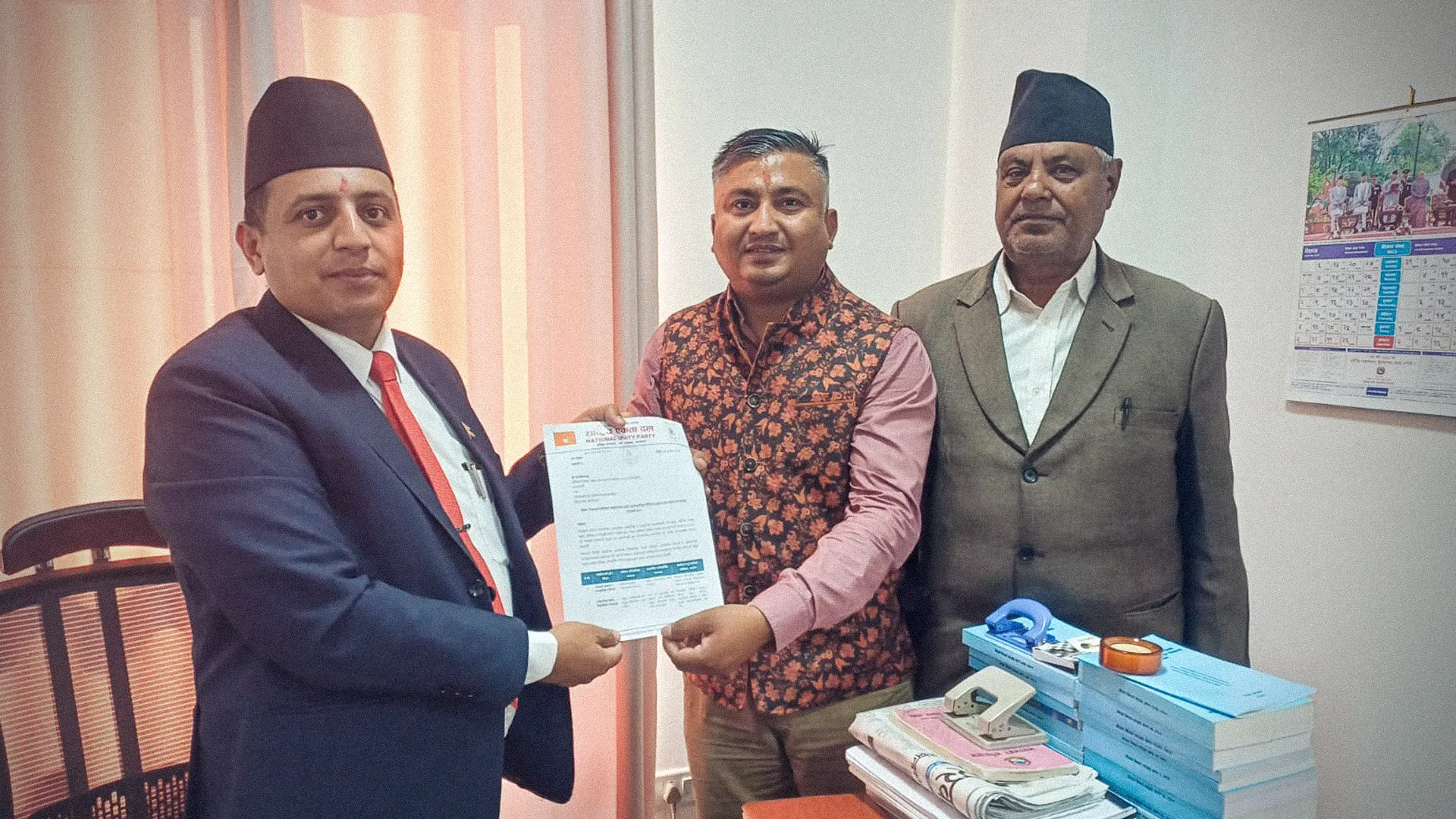
A comprehensive structural blueprint for governance reform has been submitted to the government by the Rastriya Ekata Dal. Led by Central Chairman Binaya Yadav, a delegation formally presented their policy proposals to both the Prime Minister’s Office and the constitutional amendment drafting task force. The document outlines a vision for profound alterations across the nation's cultural, administrative, and political landscapes.
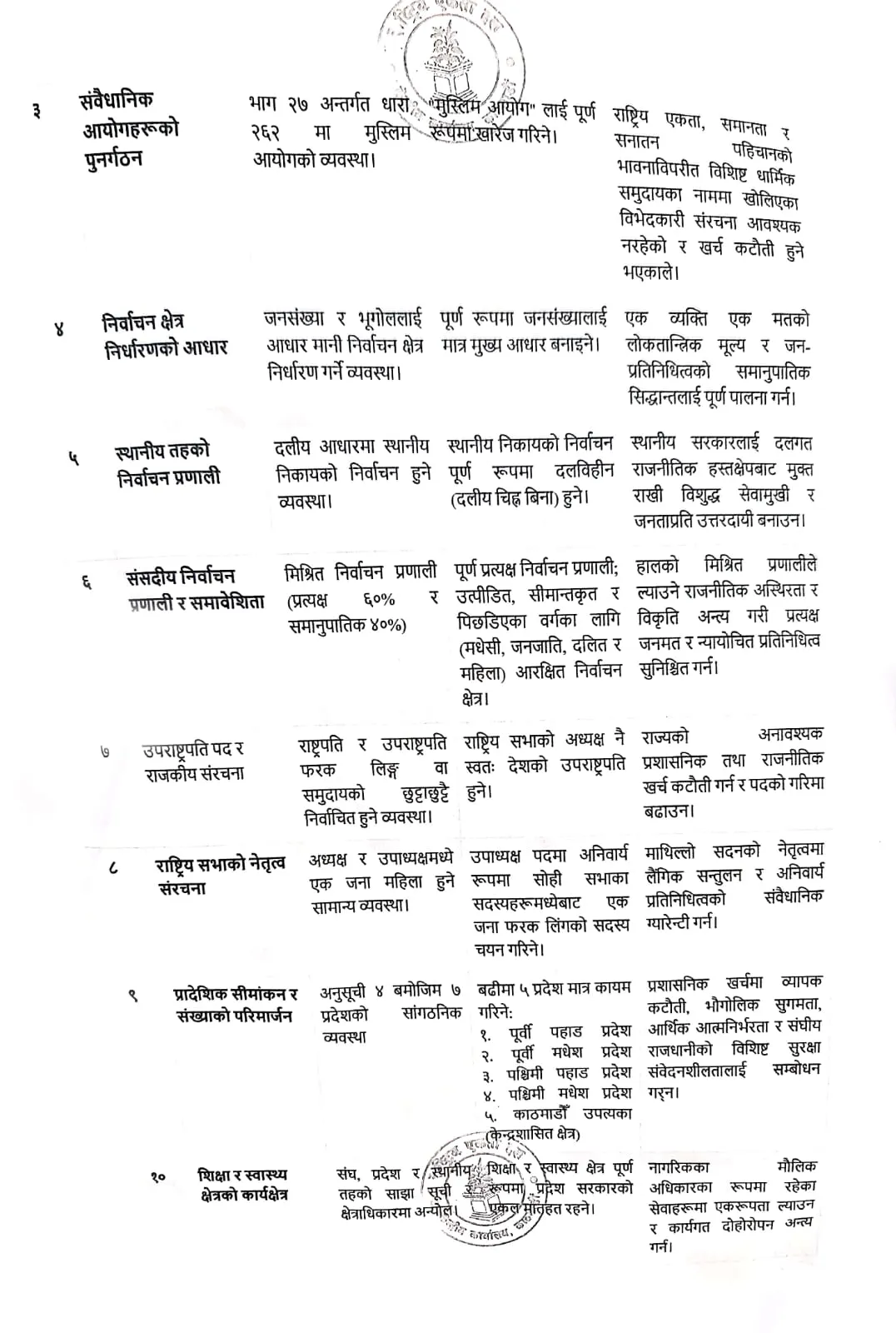
At the core of the submission is a demand to redefine the state’s identity, with the party advocating for the establishment of a "Federal Hindu Republic" to institutionalize Nepal's historical heritage. Furthermore, the proposal seeks to bar individuals practicing faiths outside the indigenous Sanatan tradition from occupying primary constitutional positions. Alongside this cultural shift, the political group has called for the immediate dissolution of the current Muslim Commission.
The party also targets comprehensive electoral restructuring. It urges authorities to prioritize population density over geographic area when delineating federal and provincial constituencies. To insulate grassroots governance from partisan interference, they recommend holding non-partisan local elections, eliminating the current mixed voting model in favor of a fully direct electoral system, and creating reserved constituencies specifically for Madhesi, Janajati, Dalit, and female candidates.
Significant alterations to the state machinery are detailed in the text. The Rastriya Ekata Dal recommends that the Vice President automatically assume the leadership of the National Assembly, with a mandatory constitutional rule ensuring the vice-chairperson is of a different gender.
Administratively, the party aims to downsize the federal framework by consolidating the existing seven provinces into a maximum of five regions, designated as Eastern Hill, Eastern Madhesh, Western Hill, and Western Madhesh. Under this model, the Kathmandu Valley would be stripped of provincial status and transitioned into a federally governed special territory.
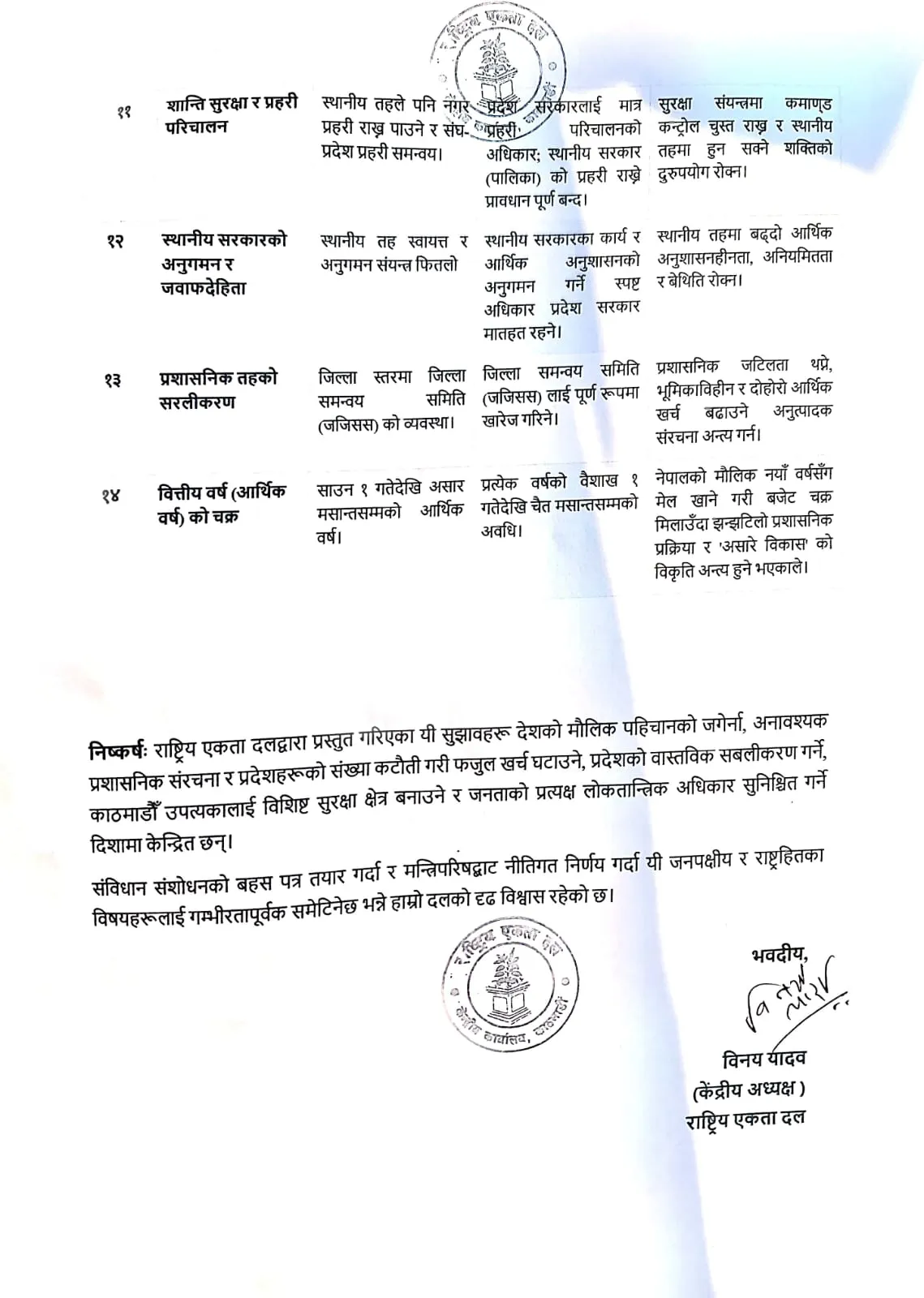
The proposal shifts governance dynamics by placing education and healthcare sectors exclusively under provincial jurisdiction, granting provincial administrations sole command over police deployment, and transferring local government oversight to the provinces. To streamline state expenditures, the group demands the complete abolishment of District Coordination Committees.

Interested in this ad?
Would you like to continue to the link or provide your information for more details?
Please provide your information
To continue, please fill in your details
Financial management practices are also slated for reform in the submission. The party urges shifting the fiscal year from its current mid-July start to a calendar-aligned cycle running from mid-April to mid-April, which they argue will eliminate wasteful year-end infrastructure spending.
The political group asserts that these recommendations are essential for protecting indigenous identity, curbing administrative waste, and fostering robust democracy. As national debates intensify, the trajectory of these sweeping proposals will depend heavily on how seriously they are integrated into forthcoming policy discussions.