Failure to pass a long-delayed electoral reform bill could force Nepal to hold separate, financially burdensome local and provincial elections in 2084 BS. The Election Commission of Nepal has warned that without immediate legislative intervention to consolidate the current legal framework, the state will miss a crucial window to conduct a highly cost-effective joint election.
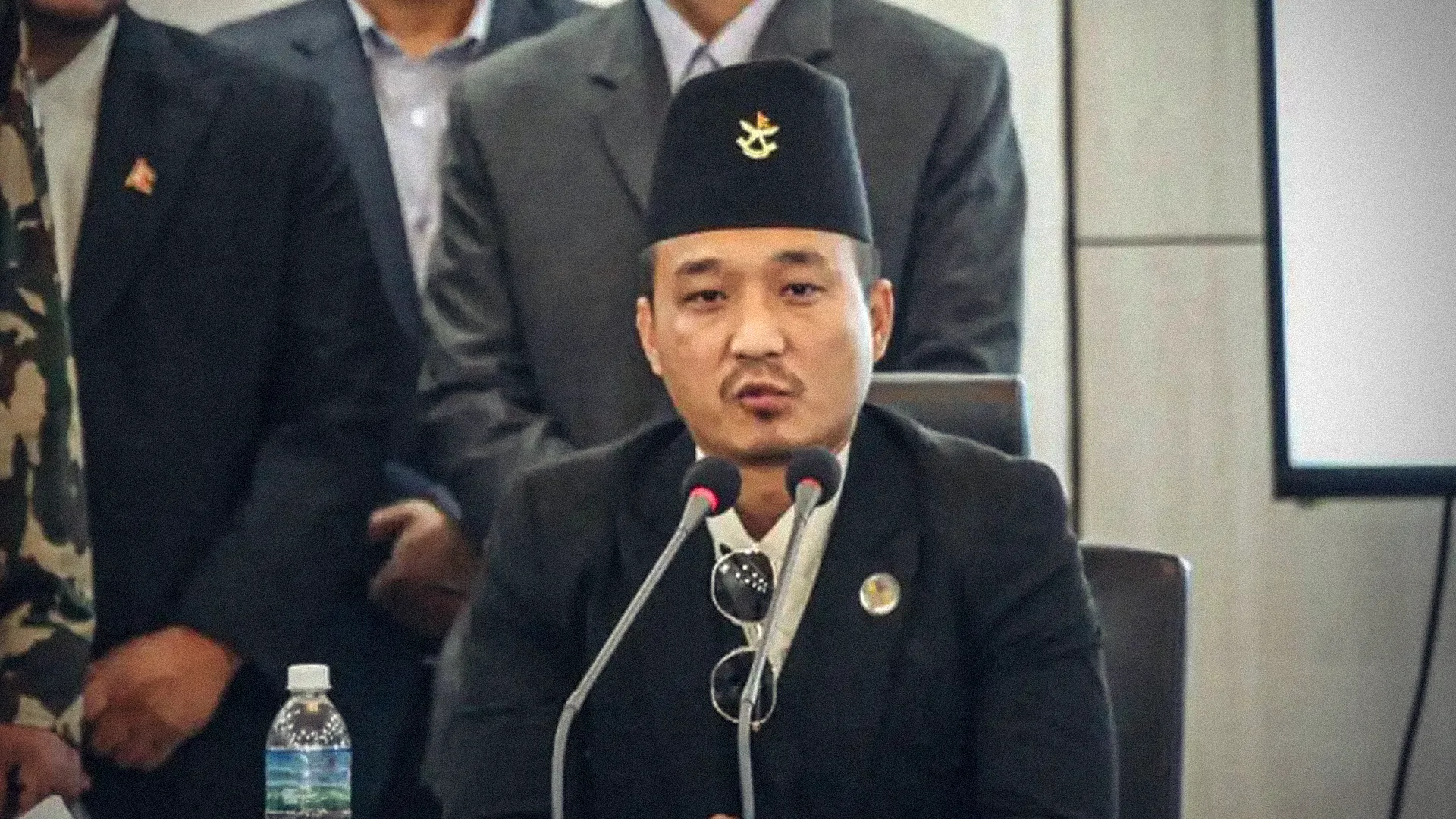
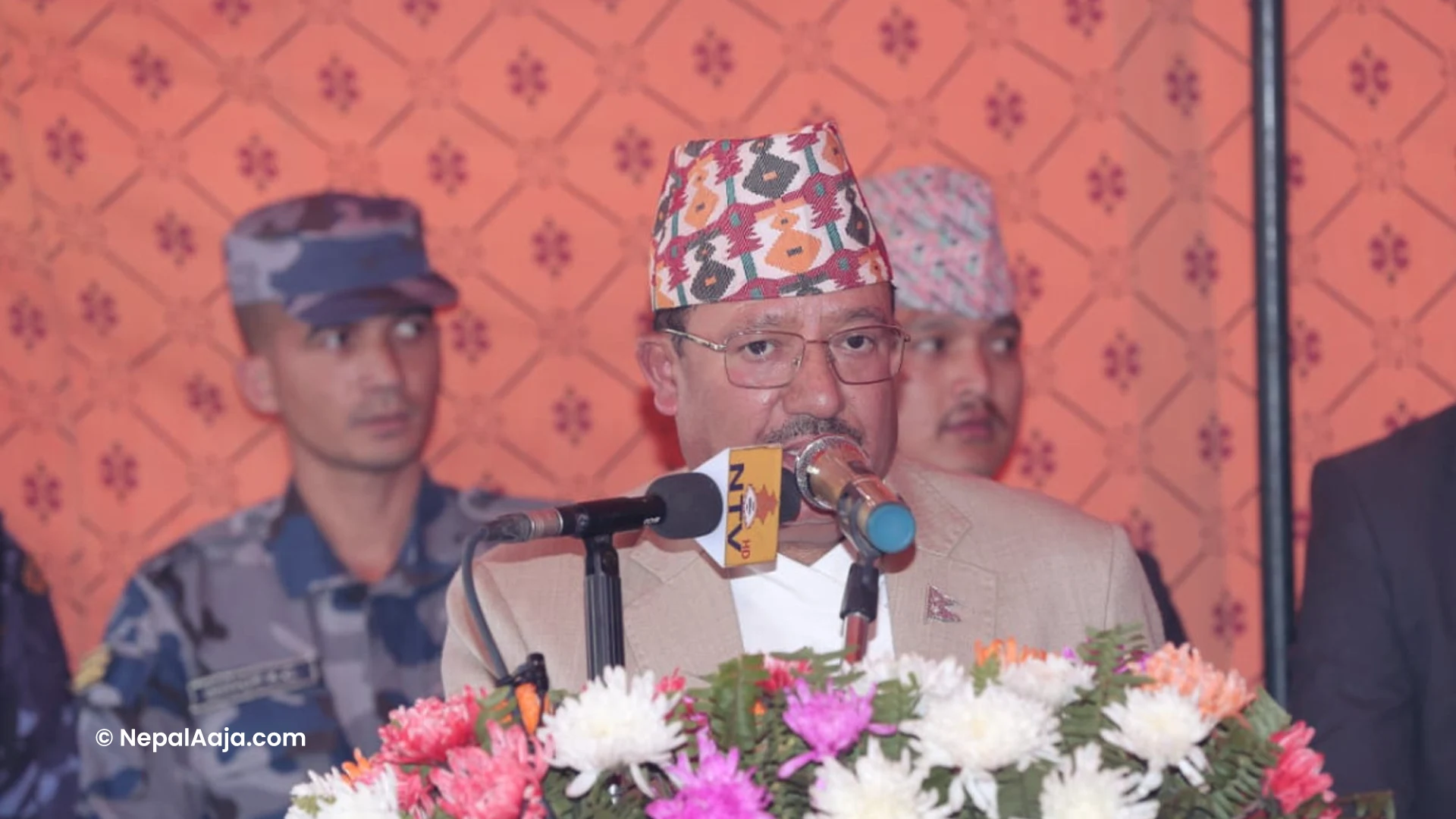
Addressing newly elected Proportional Representation (PR) lawmakers during a certificate distribution ceremony on Thursday, Acting Chief Election Commissioner Ram Prasad Bhandari highlighted the urgent need for a unified election schedule. Local level elections are fast approaching in roughly 13 to 14 months (Baisakh), while provincial assembly elections are slated for Mangsir 2084. Holding these separately, according to Bhandari, would place an unnecessary economic strain on the country.
The primary obstacle preventing a simultaneous election is the existing legal structure. As reported by the Acting Chief Commissioner, the Commission drafted an integrated Election Management Act—designed to replace seven out of ten currently active, fragmented election laws—and forwarded it to the government over two and a half years ago. The crucial bill remains stalled at the Home Ministry.

Interested in this ad?
Would you like to continue to the link or provide your information for more details?
Please provide your information
To continue, please fill in your details
Bhandari cautioned lawmakers that if the bill is not ratified in the upcoming parliamentary session, the 2084 elections will inevitably follow the traditional, inefficient format. He emphasized that the Election Commission requires at least a year prior to the voting date to formulate essential directives, codes of conduct, and structural preparations based on the new legislation.
Beyond electoral logistics, Bhandari also took the opportunity to urge the new legislators to help restore social harmony, referencing the disruptions caused by the "Gen-Z" protests on Bhadra 23 and 24.
Ultimately, the responsibility now rests on the parliament to prioritize and debate the pending legislation. Swift action will not only streamline democratic processes but also ensure a more resource-efficient future for Nepal's electoral system.