



Strategic improvements in voter education and simplified ballot paper designs have resulted in a significant victory for Nepal's democratic process, drastically reducing the number of wasted votes during the recent House of Representatives elections. This decline in invalid ballots marks a critical step forward in ensuring that citizens' electoral choices are accurately counted.
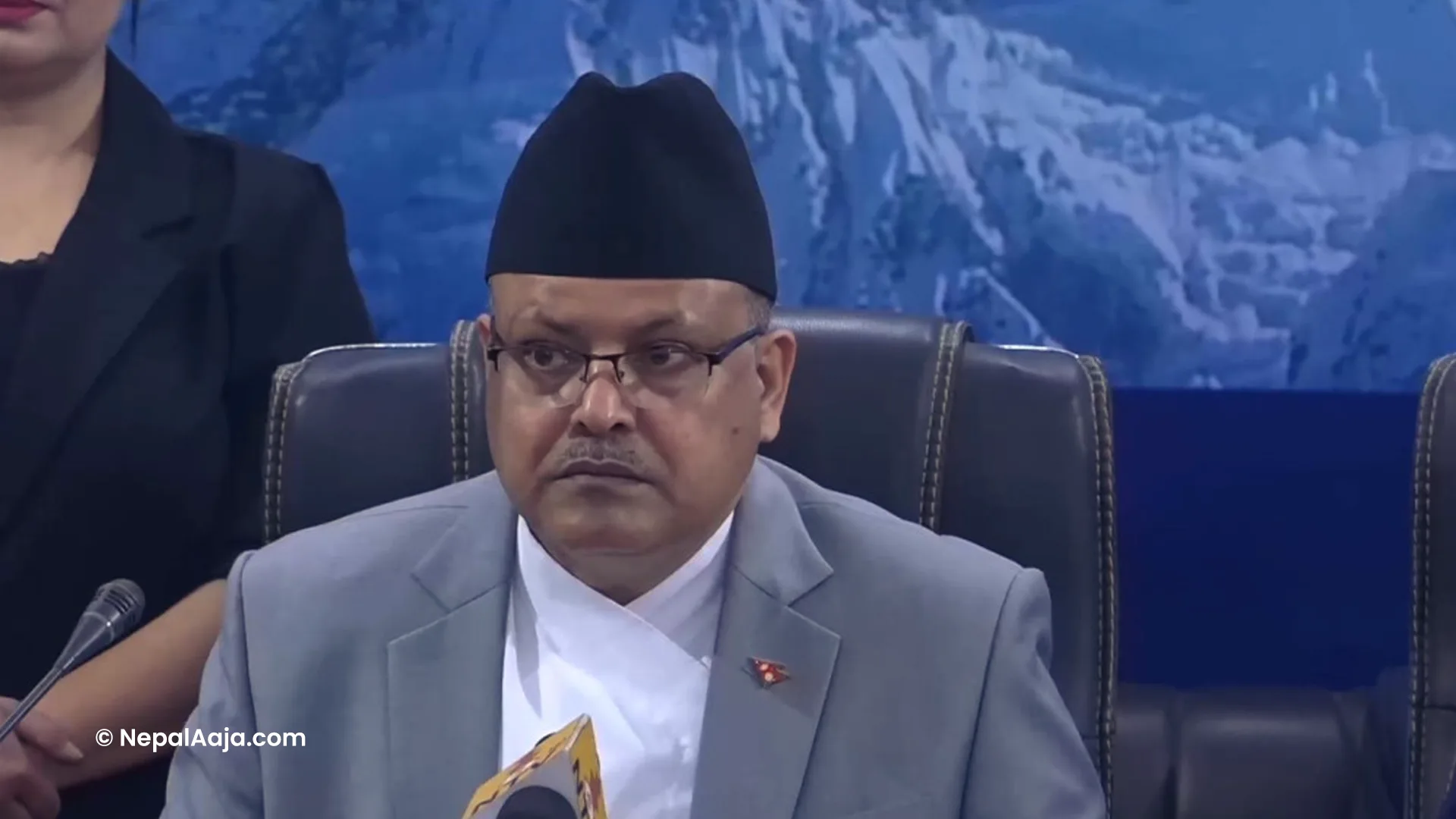
According to the Election Commission of Nepal, the overall average of invalid votes was successfully contained at just 4.7 percent. Addressing a press conference on Thursday, Commission Spokesperson Narayan Prasad Bhattarai confirmed that the invalidation rate stood at 5.45 percent for the First-Past-The-Post (direct) voting system and an even lower 3.95 percent for the Proportional Representation system. The Commission directly attributed this positive trend to its targeted voter education initiatives and a much clearer ballot layout.
This improved accuracy was achieved amidst a massive logistical undertaking and high voter turnout. Despite complex geographical challenges and unique regional circumstances, the finalized electoral roll saw participation from a vast pool of 18,903,689 registered citizens. Demographic data provided by the Commission detailed this electorate as comprising 9,663,358 men, 9,240,131 women, and 200 individuals identifying as other genders.

Interested in this ad?
Would you like to continue to the link or provide your information for more details?
Please provide your information
To continue, please fill in your details
To guarantee the transparency and fairness of this large-scale democratic exercise, the voting process was subjected to stringent domestic and international observation. The Commission noted that the elections were closely monitored by 164 individuals representing 22 diplomatic missions, working alongside 35 national-level non-governmental organizations.
Moving forward, the successful deployment of intuitive ballot designs and proactive civic education programs is likely to serve as a foundational blueprint for minimizing electoral errors and maximizing voter intent in all future national polls.