


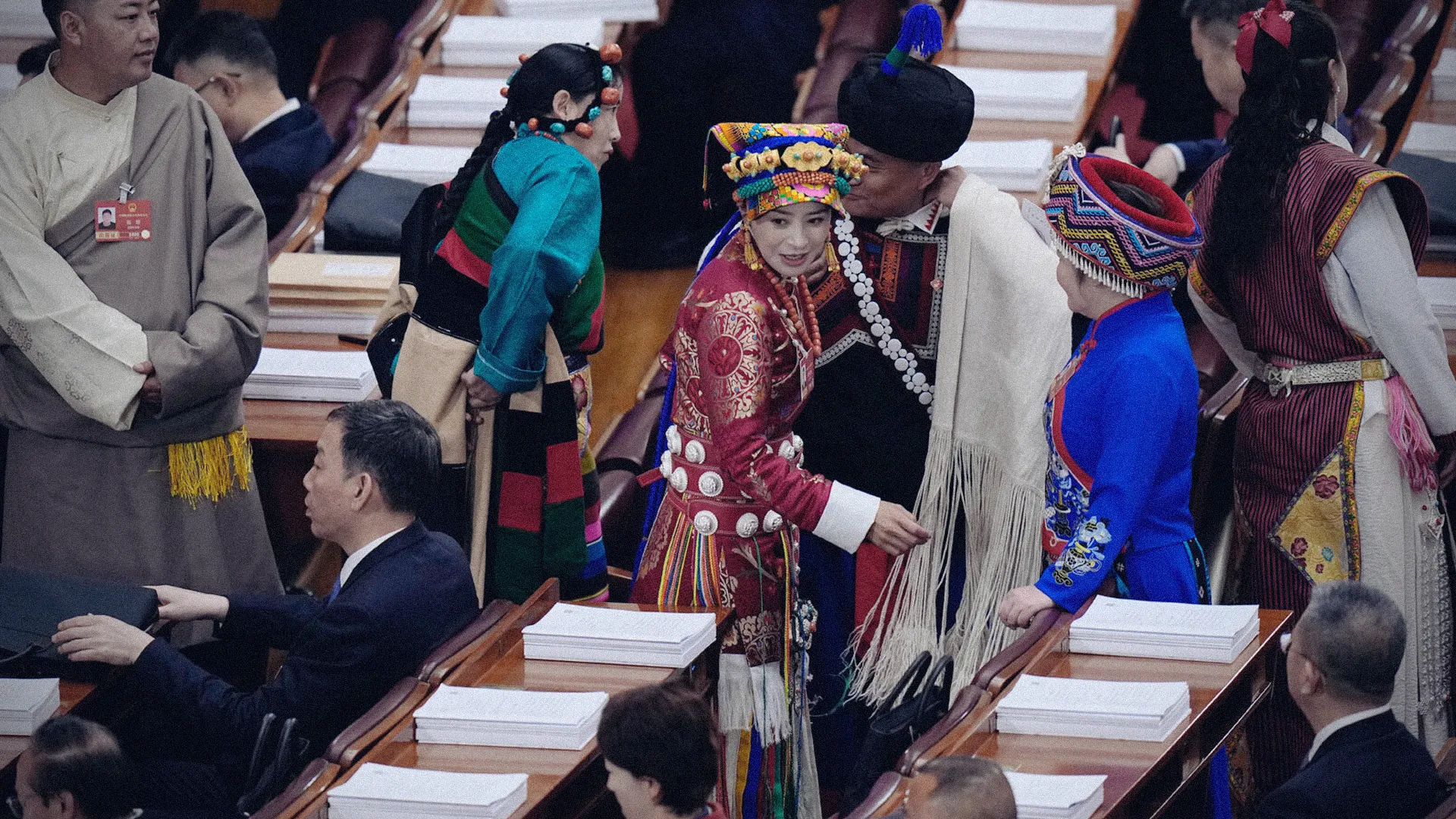
Kathmandu, Asar 17. Following the implementation of a new 'Ethnic Unity Law' by China, concerns have been expressed that control over the rights, language, and cultural identity of minority communities will increase further. Various human rights organizations and representatives of minority communities have alleged that the law provides a legal basis for cultural assimilation.
The Chinese government, however, has stated that the new law aims to strengthen national unity, maintain ethnic harmony, and control separatist activities. According to Beijing, a policy has been adopted where all ethnic communities must advance according to the constitution and law while strengthening a shared national identity.
However, international human rights organizations have warned that there could be further interference with the language, culture, and religious freedom of minority communities in regions such as Tibet, Xinjiang, and Inner Mongolia. According to them, attempts are being made to prioritize the state-directed national identity while weakening local languages and cultural practices.

Interested in this ad?
Would you like to continue to the link or provide your information for more details?
Please provide your information
To continue, please fill in your details
According to geopolitical analysts, the new law is likely to intensify not only China's internal governance policy but also the international debate on human rights and religious freedom. Western countries and human rights organizations are demanding further clarity and transparency from China on this matter.
China, on its part, has reiterated its stance that its ethnic policy is an internal matter of the country and is necessary to maintain national security and social stability.