


Kathmandu. India has been advancing its digital infrastructure not only as a tool for economic development and technological transformation, but also as an important medium to expand its regional and international influence. The analysis suggests that India's experience in digital public infrastructure has given a new dimension to the country's 'soft power'.
In recent years, India has expanded access to digital services and increased the use of technology in various sectors linked to the daily lives of its citizens. The application of technology in digital identity, digital payments, and public service delivery has enabled India to extend digital services to a large population.
A defining feature of India's digital public infrastructure is the scale at which it has been deployed across a massive population. The experience of providing services to hundreds of millions of citizens through a single digital framework has made India a potential partner for study and collaboration among other developing nations.
India has also begun integrating its digital expertise into its foreign policy. Sharing knowledge and experience regarding digital technology, infrastructure, and digital services with developing countries is helping expand India's international relations.
The expansion of digital infrastructure is strengthening India's economic impact as well. The growth of digital payments and online services has facilitated trade and financial transactions while encouraging the development of new technology and the startup sector.

Interested in this ad?
Would you like to continue to the link or provide your information for more details?
Please provide your information
To continue, please fill in your details
This experience of India could prove particularly important for countries in South Asia and the Global South. The Indian model of providing digital services to a large population with limited resources can assist other developing countries in building their own digital ecosystems.
Alongside this, digital infrastructure is increasingly serving as a channel for extending India's strategic influence. Cooperation in technology and digital services can reinforce not only economic ties between nations, but also long-term political and diplomatic relations.
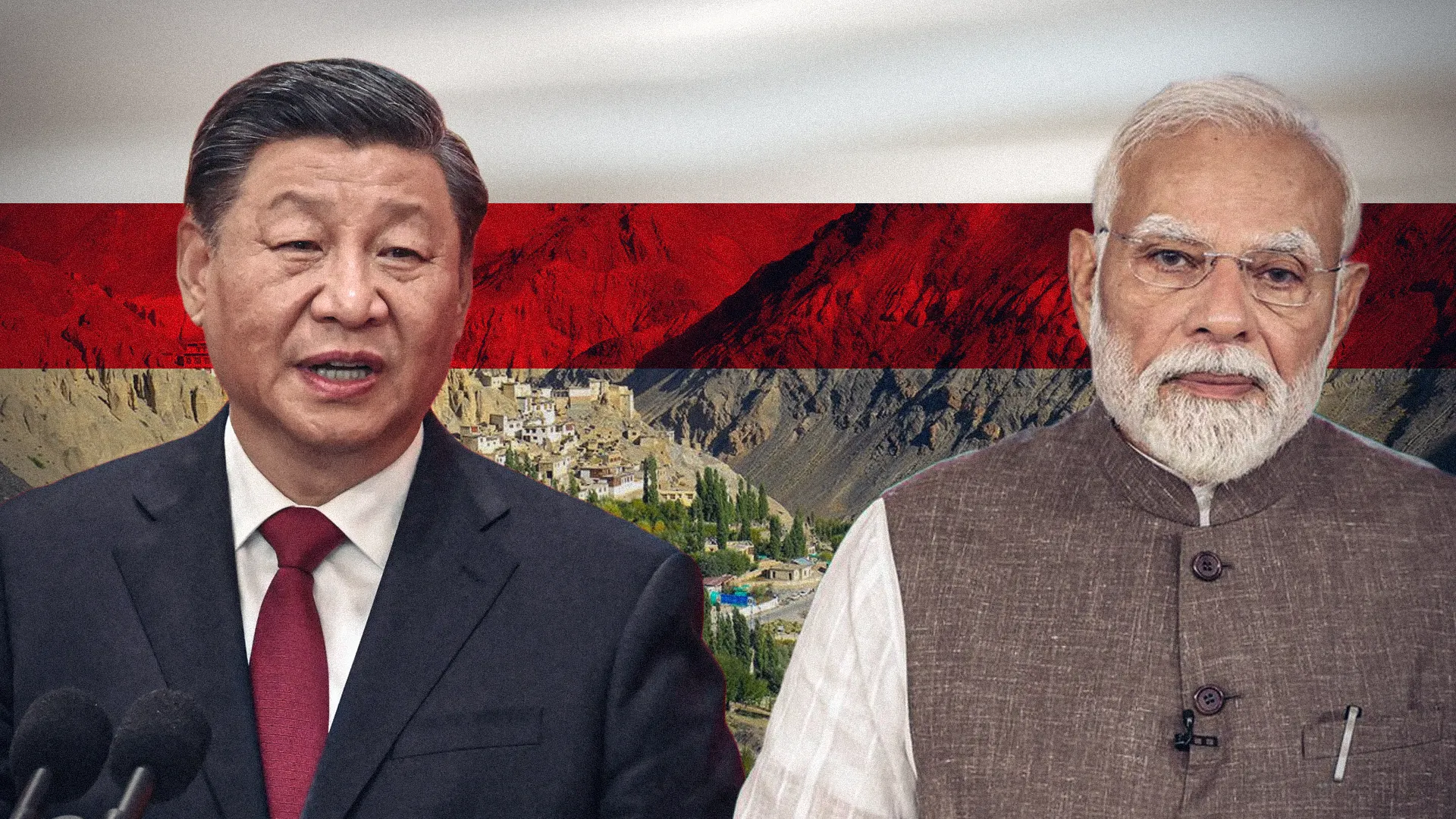
With China also expanding its global presence through digital technology and infrastructure, the growth of India's digital diplomacy is viewed as a crucial aspect of regional strategic competition.
For India, digital public infrastructure is not merely a domestic development endeavor. Leveraging it as a medium for technological partnerships, development cooperation, and diplomatic outreach with other nations stands to further bolster New Delhi's 'soft power'.
India's digital transformation has contributed to cementing its global image in technological capacity and innovation. How effectively India translates its digital infrastructure experience into international partnerships in the coming days will be critical to its growing global stature.