


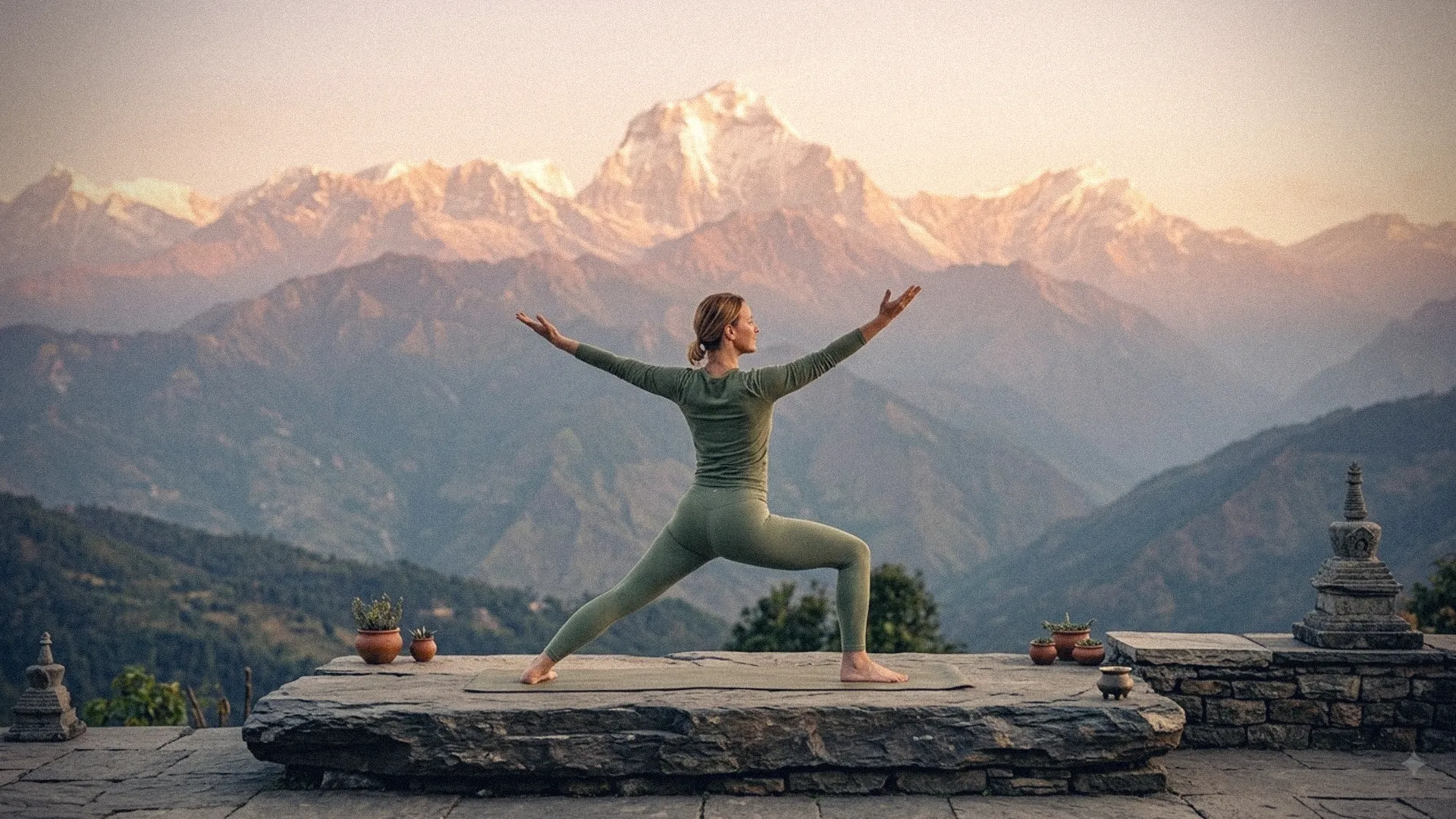
Nepal is positioning itself as a premier international destination for holistic health and rejuvenation. The Ministry of Culture, Tourism, and Civil Aviation has introduced a strategic framework designed to reshape the country's travel sector over the next decade.
The initiative outlines the National Wellness Tourism Strategy (2026–2035) alongside a targeted five-year action plan covering 2026 to 2030. According to official sources, this initiative aims to diversify local offerings by combining natural landscapes with traditional healing traditions.
Under the framework, Kathmandu will serve as a central hub for spiritual and cultural integration. The capital will consolidate heritage-focused yoga centers, Buddhist meditation hubs, and traditional spa facilities into an interconnected network. Other geographic regions will similarly develop specialized wellness centers based on their unique environmental assets.

Interested in this ad?
Would you like to continue to the link or provide your information for more details?
Please provide your information
To continue, please fill in your details
To reduce the seasonal fluctuations of the travel industry, the strategy introduces multi-day "Wellness Trekking Circuits" that merge physical journeys with mindfulness practices. Travelers will also have access to "Monastery Meditation Retreats" designed to immerse participants in Buddhist philosophy.
Additionally, the plan features specialized 7-to-14-day Panchakarma detox retreats rooted in Himalayan herbs and Ayurvedic principles. Traditional practices like singing bowl therapy, Reiki, and indigenous shamanic healing will be standardized to offer regulated energy treatments.
The government plans to structure these wellness activities across specific seasons, offering detox retreats in autumn, thermal therapies in winter, and renewal programs during spring. By upgrading infrastructure, standardizing services, and training skilled professionals, Nepal aims to establish a sustainable, year-round tourism model.