


A Turkish Airlines flight has once again met with an accident at Tribhuvan International Airport. This incident has vividly resurrected memories of a similarly terrifying ordeal that occurred in 2015. Two accidents involving the same airline at the identical airport, separated by a mere 11-year interval, have raised a profound question in the minds of travelers: Is Turkish Airlines safe?
A Comparison Between the 2026 and 2015 Accidents
There are notable parallels and distinctions between these two incidents, which occurred a decade apart:
-
The 2026 Accident (Recent Event): On May 11, 2026, a Turkish Airlines aircraft arriving in Kathmandu from Istanbul caught fire in its right landing gear due to a technical malfunction during touchdown. All 277 passengers and 11 crew members were safely evacuated via emergency inflatable slides. Consequently, the airport was closed for merely two hours.
-
The 2015 Accident: On March 4, 2015, Turkish Airlines Flight TK 726 (Airbus A330-300) skidded off a wet runway into an adjacent grassy perimeter due to dense fog. Carrying 224 passengers, the aircraft's nose gear collapsed, leaving the front of the fuselage buried in the mud. This catastrophic excursion forced the closure of Nepal's sole international airport for four consecutive days.
The Aircraft Transformed Into an Aviation Museum
The Turkish Airlines Airbus A330-300 that crashed in 2015 was not relegated to the scrapyard; instead, it forged a new historical legacy. Through a collaborative effort between Captain Bed Upreti and the Civil Aviation Authority of Nepal, the wreckage was meticulously reassembled and converted into the 'Aviation Museum Kathmandu' in Sinamangal. Today, this reconstructed museum serves as a prominent and captivating educational destination for Nepali students and tourists seeking knowledge about aviation history and aeronautics.
A Harrowing Experience, the Malhotras' Rescue, and the Samsung Discount
For the passengers onboard, that morning in 2015 yielded the most terrifying experience of their lives. Amidst severe weather, as the aircraft lost equilibrium and plowed violently into the earth, passengers came face-to-face with imminent mortality. The pervasive terror, the echoing screams, and the violent jolt of the collapsing nose gear made the act of leaping from the emergency exits an absolute nightmare.
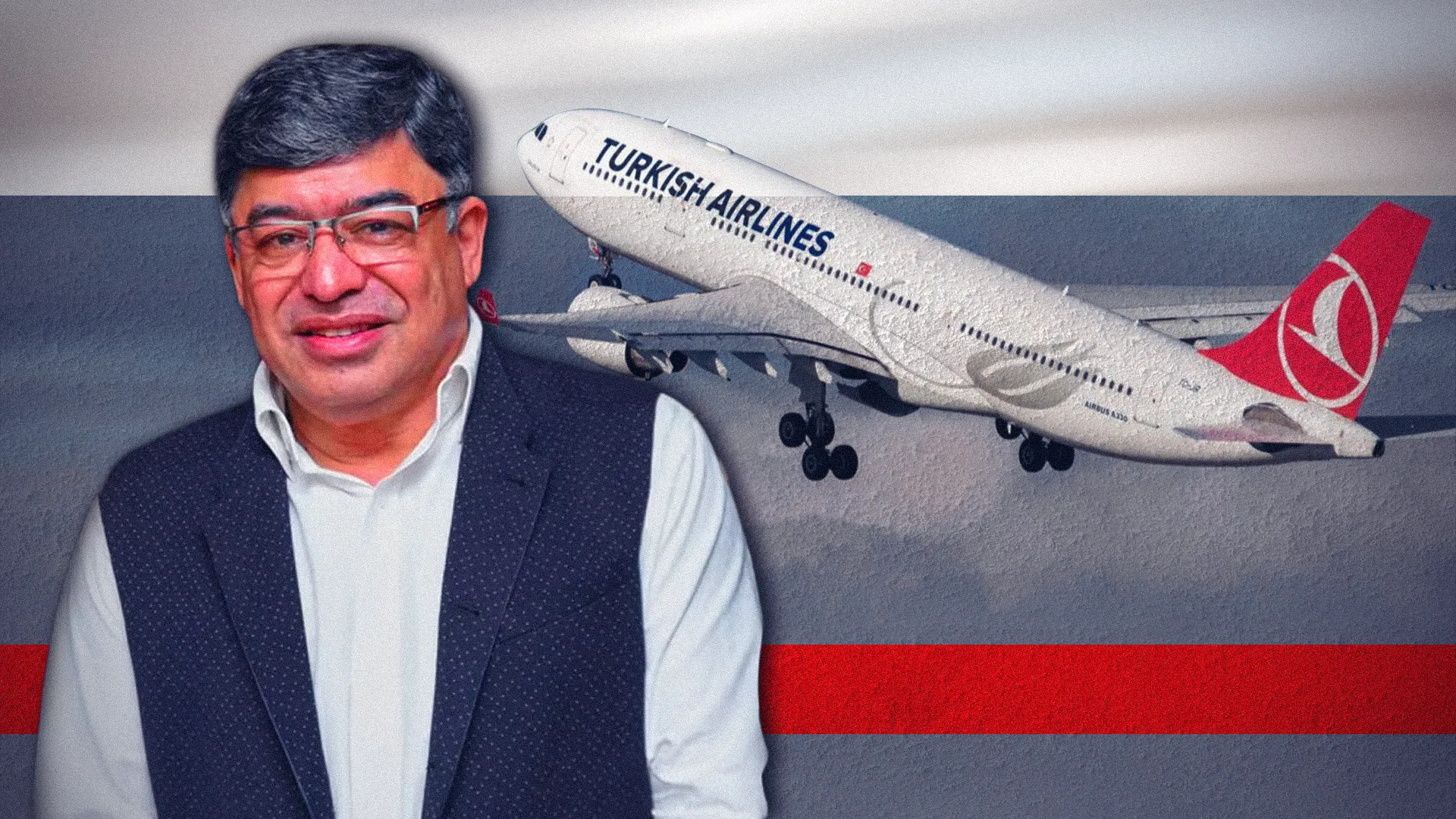
Prominent Nepali businessman Deepak Malhotra and his son Dikesh Malhotra were among the passengers on that fateful flight. Upon miraculously surviving the jaws of death, they deemed the escape their "Second Life." In joyous commemoration, the Malhotra family—who helm the IMS Group, the authorized distributor for Samsung mobile phones—offered special promotional discounts on Samsung smartphones to their clientele. This remains an exceptionally unique and highly publicized method of celebrating a providential escape from a major aviation disaster.
Is Turkish Airlines Safe?
It is entirely natural for passengers to harbor apprehensions when the same airline experiences accidents at the same airport 11 years apart. However, when evaluating the reality and the empirical facts:
-
Airport Challenges: Tribhuvan International Airport's geographical topography and unpredictable weather patterns render it one of the most challenging aviation environments globally. Encircled by towering mountains and hills, executing a landing here presents a formidable task even for the most seasoned aviators.
-
Global Safety Record: Turkish Airlines is a premier, globally recognized carrier operating flights across numerous countries. On an overarching international scale, its safety record remains highly commendable.
-
Zero Human Casualties: Although both accidents (2015 and 2026) were undeniably horrific, the airline's adept emergency crisis management and rigorous crew training ensured absolutely no loss of human life. On both occasions, every passenger was evacuated with complete success.
In conclusion, while Kathmandu's geographical complexities and occasional technical malfunctions have precipitated these accidents, Turkish Airlines is generally regarded as a secure carrier. Nevertheless, these recurring incidents undoubtedly serve as a stark mandate for heightened stringency and vigilance regarding aviation safety protocols.