

Entering its 51st year on November 14, 2026, Uttar Pradesh's Ghaziabad district stands at a critical crossroads, steadily losing its global identity as an industrial powerhouse while transforming into a densely populated commuter hub burdened by strained infrastructure and environmental degradation.
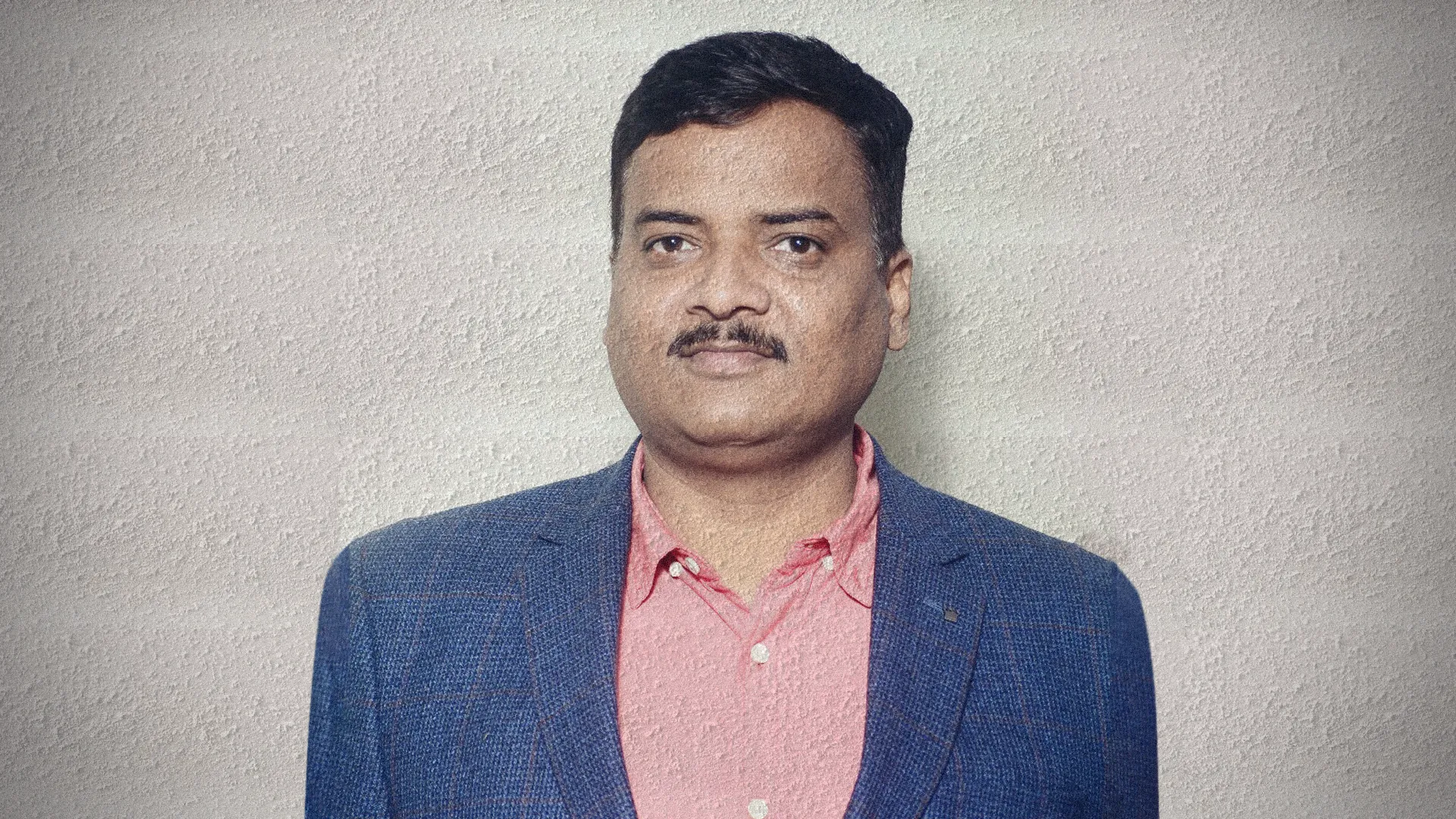
According to an analytical assessment by advocate, independent journalist, and political analyst Deepak Kumar Tyagi ahead of the district's Foundation Day, five decades of rapid urbanization and administrative restructuring have turned Ghaziabad into a prominent real estate destination, yet left core governance and civic challenges unresolved.
Over recent decades, numerous major factories and industrial units shut down due to unnecessary political interference, labor unrest, law-and-order concerns, and inadequate basic infrastructure. Subsequent territorial bifurcations further diminished its industrial base, shifting the district's character toward residential expansion.
Backed by improved regional connectivity and housing projects from the Ghaziabad Development Authority, the Uttar Pradesh Housing and Development Board, and private developers, the city now largely accommodates professionals working in Delhi, Gurugram, Noida, Greater Noida, Meerut, Hapur, and Faridabad. Tyagi noted that many in this transient commuter demographic treat the city merely as an economic base rather than an integrated community, weakening civic attachment needed for world-class urban development.
Before attaining district status, Ghaziabad functioned as a tehsil of Meerut. On November 14, 1976—marking former Prime Minister Jawaharlal Nehru's birth anniversary—then-Uttar Pradesh Chief Minister Narayan Dutt Tiwari formally established Ghaziabad as an independent district by carving out ten development blocks: eight from Meerut (Rajapur, Muradnagar, Bhojpur, Hapur, Dhaulana, Loni, Simbhaoli, and Garhmukteshwar) and two from Bulandshahr (Dadri and Bisrakh).
Initially structured with four tehsils—Ghaziabad, Dadri, Hapur, and Garhmukteshwar—the district gained Modinagar as a tehsil on September 30, 1989. Later administrative reorganizations reshaped its boundaries significantly. In 1997, Dadri and Bisrakh blocks were merged into the newly created Gautam Buddh Nagar district, while on September 27, 2011, Hapur and Garhmukteshwar tehsils were separated to form Panchsheel Nagar district. Following the creation of Loni tehsil on January 29, 2014, Ghaziabad currently comprises three tehsils—Ghaziabad, Modinagar, and Loni—and four development blocks: Rajapur, Muradnagar, Bhojpur, and Loni.
Looking back at its administrative trajectory, the analysis also recalled a period when organized criminal gangs operated across the district with alleged backing from certain politicians, police officials, and industrialists, engaging in illicit liquor trade, sales tax evasion, extortion, kidnapping, murder, and land grabbing.
Today, skyrocketing real estate prices and alleged systemic collusion have fueled rampant illegal residential and industrial plotting, encroaching even onto government land and river floodplains. Studies referenced in the report indicate that intensive resource exploitation since 2000 has sharply reduced agricultural land and caused groundwater levels to plummet.
Residents continue to contend with severe air pollution, traffic gridlock, waste management failures, departmental corruption, and shortages in clean drinking water, healthcare, education, and affordable housing, alongside the absence of any prominent developed tourist destination after fifty years. Safeguarding Ghaziabad's standing in the National Capital Region will require unified, transparent action by the Uttar Pradesh government, local administration, and police to curb illegal encroachments, upgrade civic amenities, and enforce the rule of law.