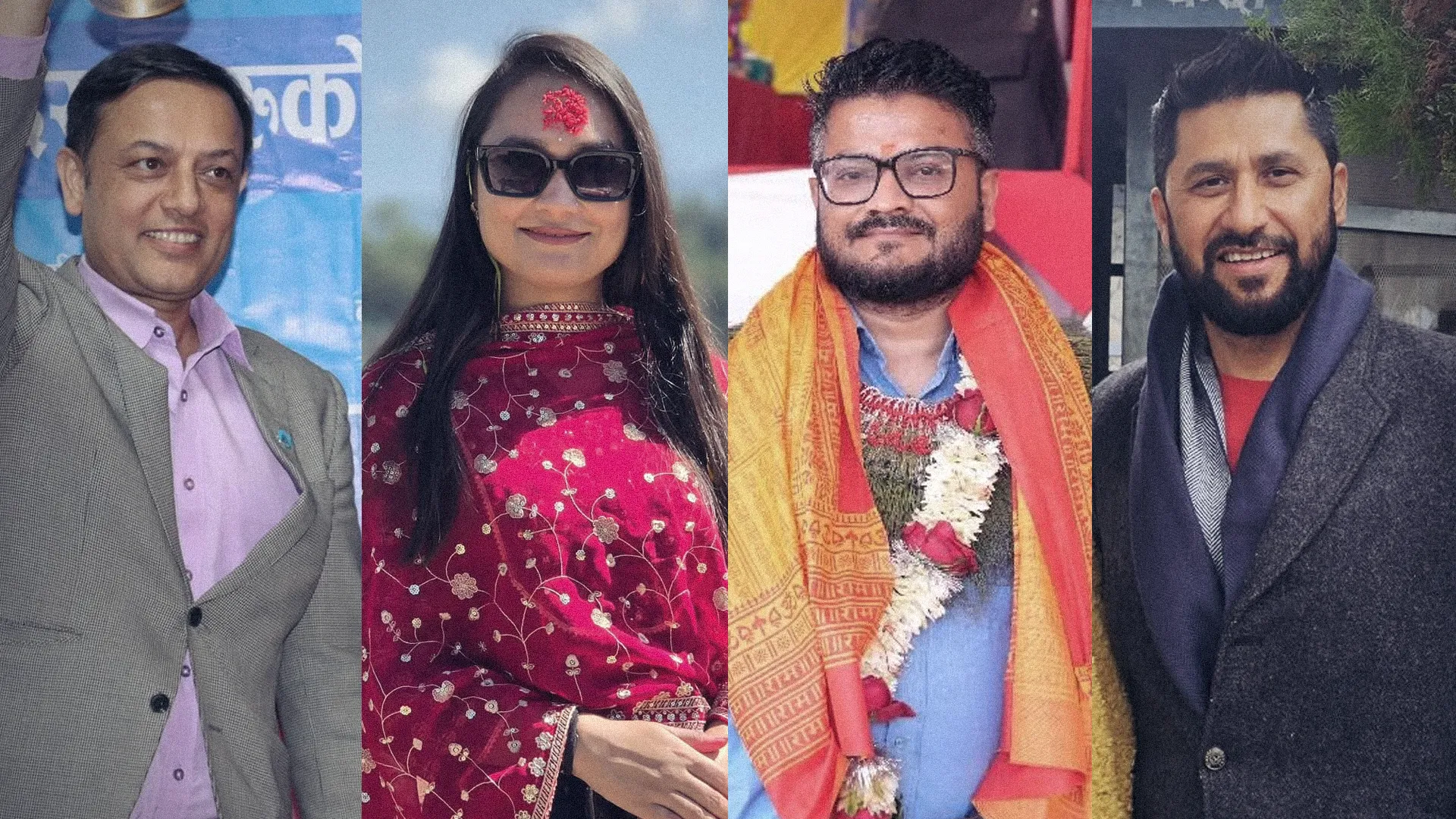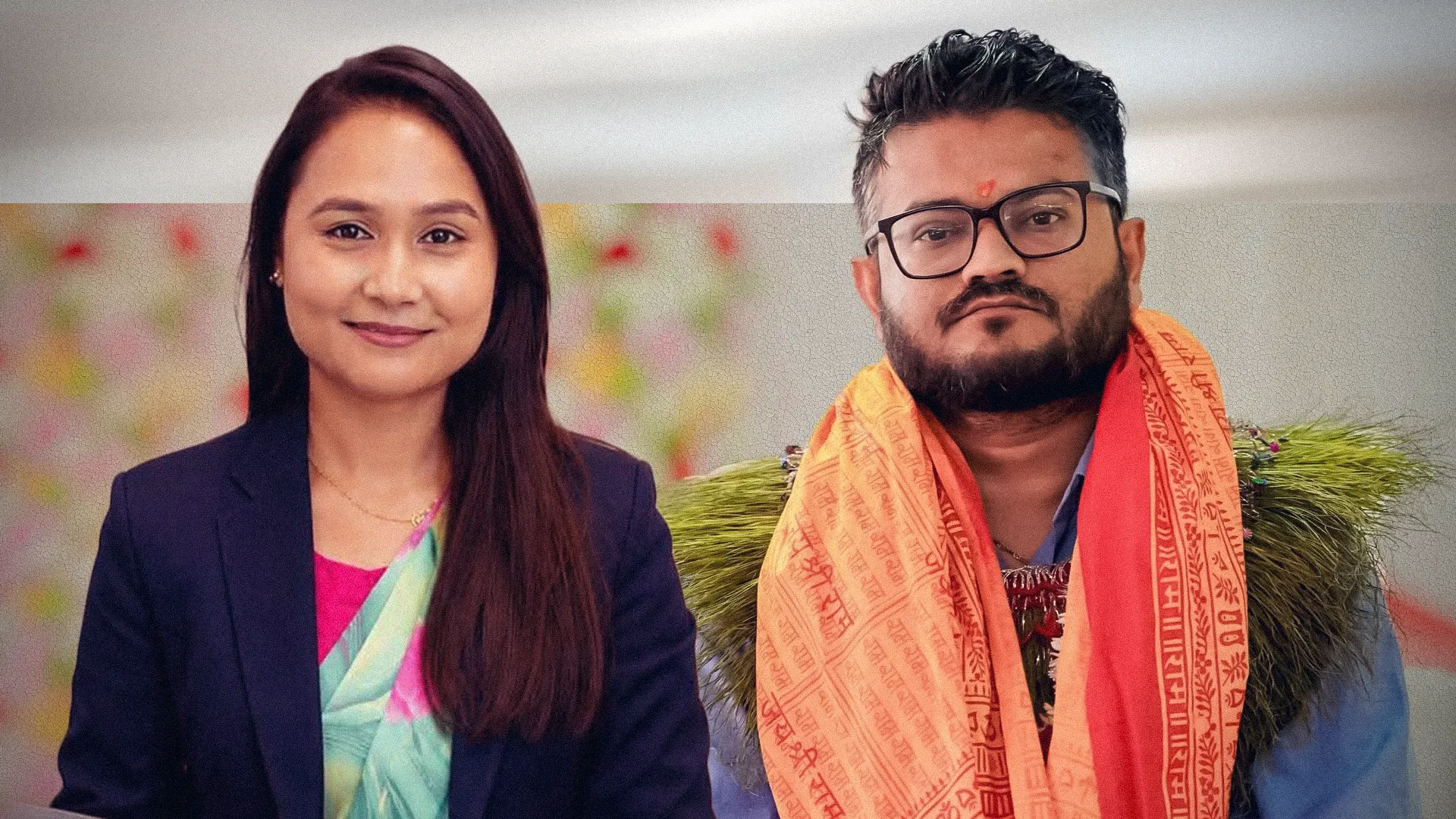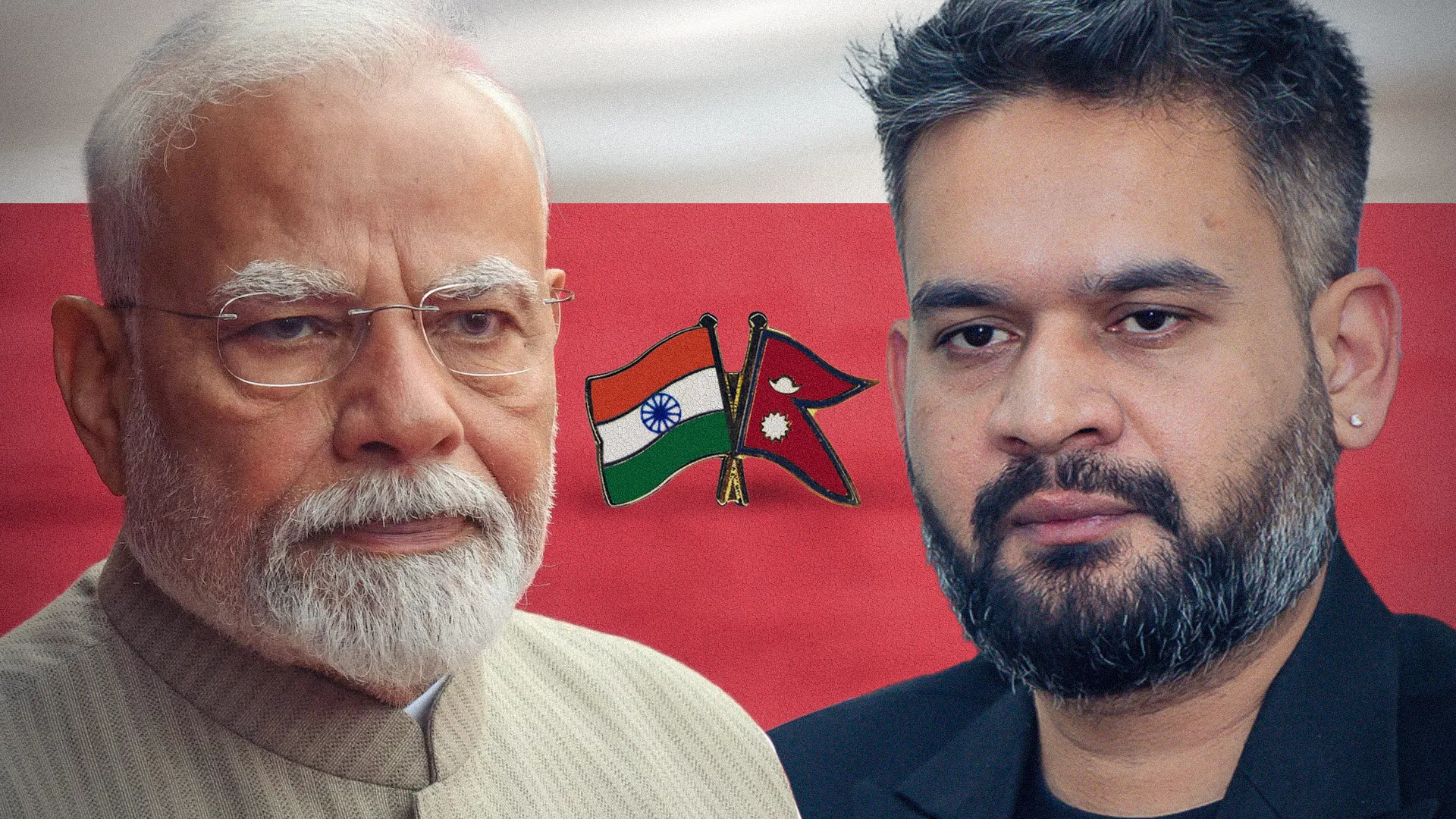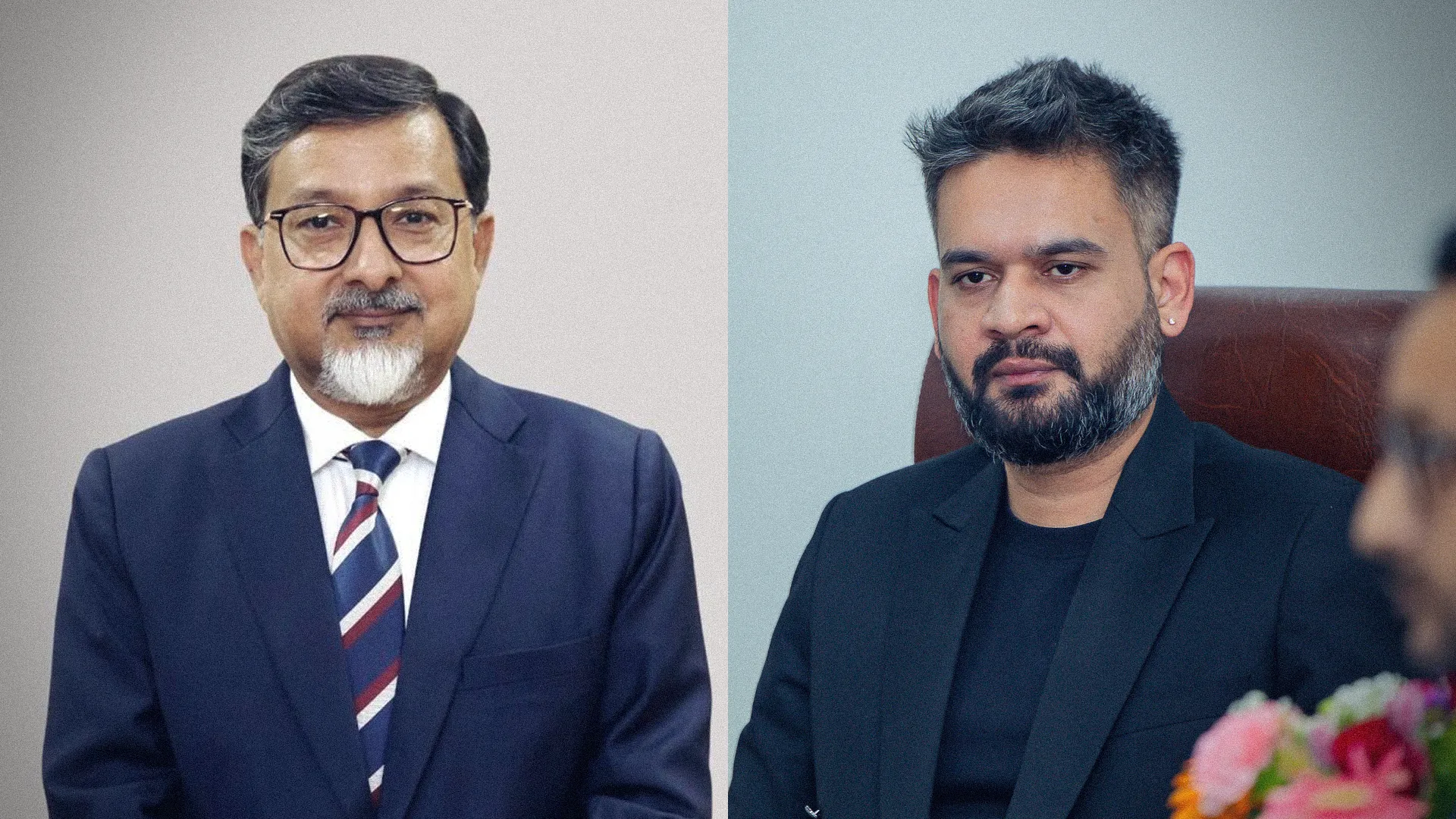

KATHMANDU — As Prime Minister Balendra (Balen) Shah prepares to depart for New Delhi tomorrow (Sunday) for the first official bilateral visit of his tenure, special interest has grown in political and diplomatic circles regarding his attire, state reception, and travel management alongside the bilateral agenda. Although high-level talks on serious issues such as energy trade, post-flood reconstruction, border matters, and connectivity are scheduled during this two-day visit at the formal invitation of Indian Prime Minister Narendra Modi, the prime minister's personal style and diplomatic protocol have drawn equal attention.
Discussion on Formal Attire and Diplomatic Protocol
According to Nepal's diplomatic tradition, it has been customary for the prime minister to wear the national attire—Daura Suruwal, a coat, a Nepali topi (cap), and formal shoes (Oxford or black lace-up shoes)—at high-level formal ceremonies and state visits. In the past, after entering the peace process, then-Prime Minister Pushpa Kamal Dahal 'Prachanda' initially stood firm on not wearing the Daura Suruwal, though he later adopted the national attire for formal events.
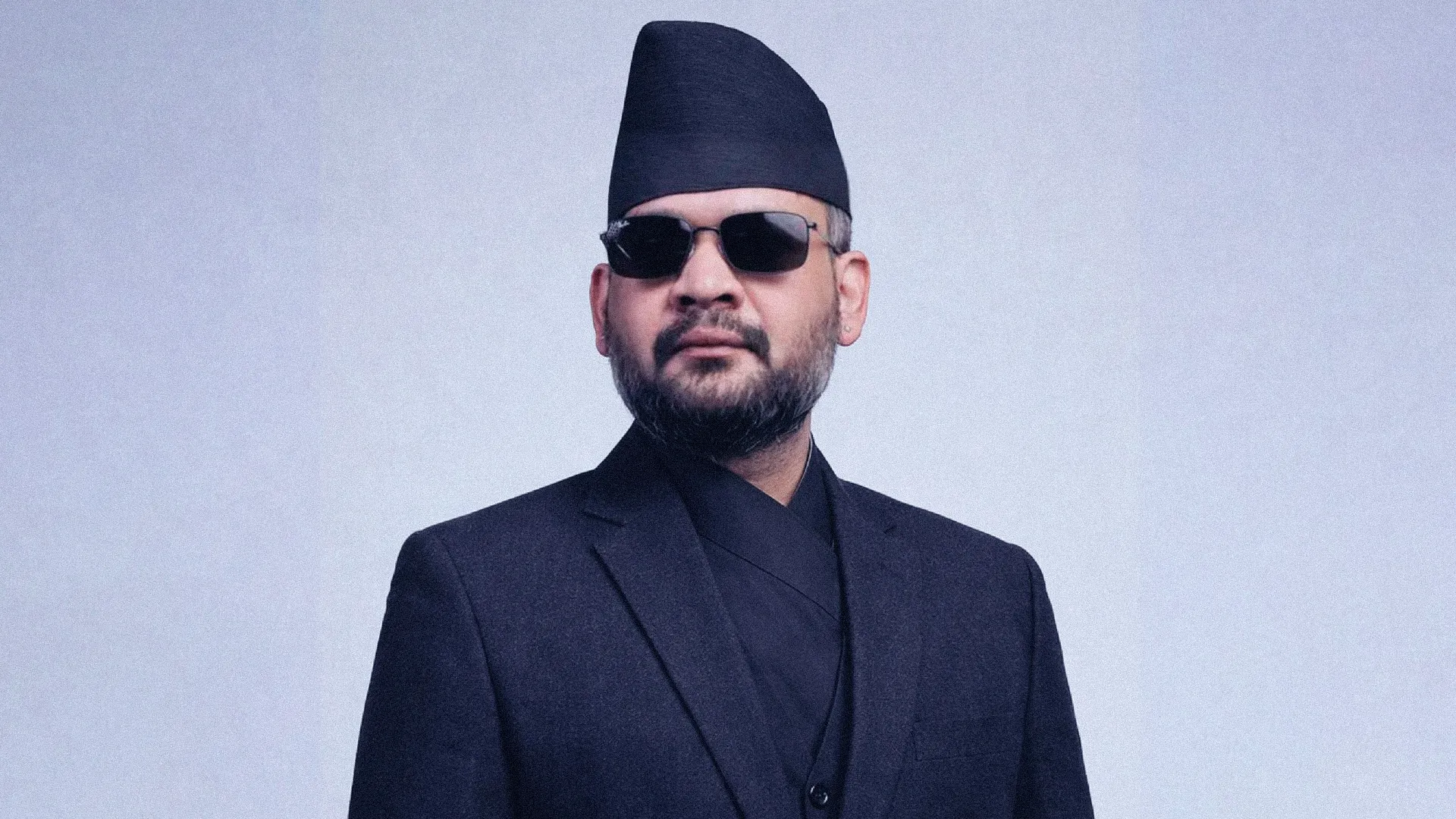
Prime Minister Shah, who is generally seen in 'casual' and 'semi-formal' outfits such as a black coat, vest (t-shirt), trousers, sports shoes, and Ray-Ban sunglasses, has not worn the formal national attire even in parliament meetings. However, curiosity has emerged over what attire Shah, who has appeared in a black Daura Suruwal on a few special occasions, will choose during his India visit. Although some in society view the color black as inauspicious and a symbol of protest, government and diplomatic sources say there is a strong possibility that he will wear black formal attire (Daura Suruwal, black topi, and black shoes) in keeping with the decorum of a state visit. Meanwhile, there is also talk that the prime minister's spouse, Sabina Kafle, may join the visiting delegation.
Expectations of a State Welcome
The state welcome and honors New Delhi will accord during the visit are also being viewed with significance. India's Ministry of External Affairs has stated that it attaches special importance to Prime Minister Shah's visit, placing relations with Nepal at high priority under its 'Neighborhood First' policy. According to diplomatic sources, India has prepared to accord Prime Minister Shah a high-level and warm state welcome in line with traditional diplomatic protocol, which is estimated to be much more special and warmer compared to the reception he received during his previous visit to the United States.
Air Travel and Media Strategy
It is also understood that a different style from the past will be seen in Prime Minister Shah's air travel and media management. Prime Minister Shah, who previously used a Nepal Airlines boarding ladder at Tribhuvan International Airport to board a Qatar Airways flight while departing for and returning from his US visit, is preparing to use both a Nepal Airlines ladder and an aircraft of the same national flag carrier for his trip to India this time, sources said. He will travel in a seat class higher than economy class.
Similarly, a controlled strategy appears to be adopted regarding media coordination during the visit. Close sources said Prime Minister Shah is unlikely to give direct responses to domestic media during this visit, much like when he is in the country. Official information and photographs of the visit are set to be released through the social media accounts of the Secretariat and his Chief Advisor Kumar Byanjankar (Kumar Ben), who has been operating hundreds of social media handles. Due to security and protocol reasons, Nepali journalists will reportedly not be granted access to the airport and formal programs. However, the Secretariat faces the challenge of ensuring balanced remarks while keeping diplomatic sensitivities in mind during a brief interaction with Indian media or a joint press conference in New Delhi.