

Diplomacy is not a platform to boost the popularity of any political party. It is a vital state mechanism that ensures the nation's interest, self-respect, security, and economic prosperity. Any government's foreign visit, high-level meetings, or bilateral agreements must be evaluated not on the basis of immediate political reactions, but on the long-term achievements the country gains from them. This becomes even more relevant especially in relations with Nepal's closest neighbor and major economic partner like India.
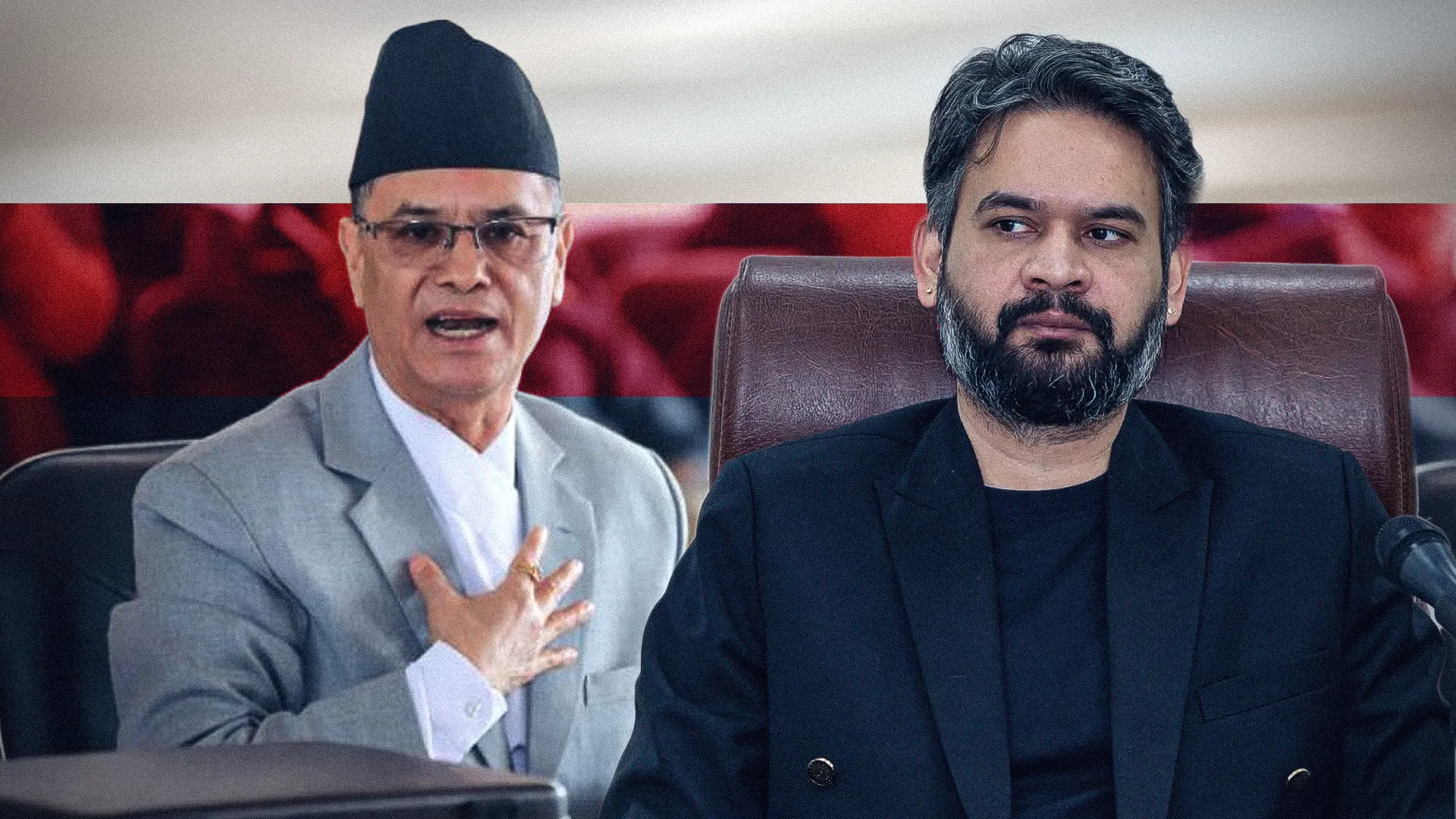
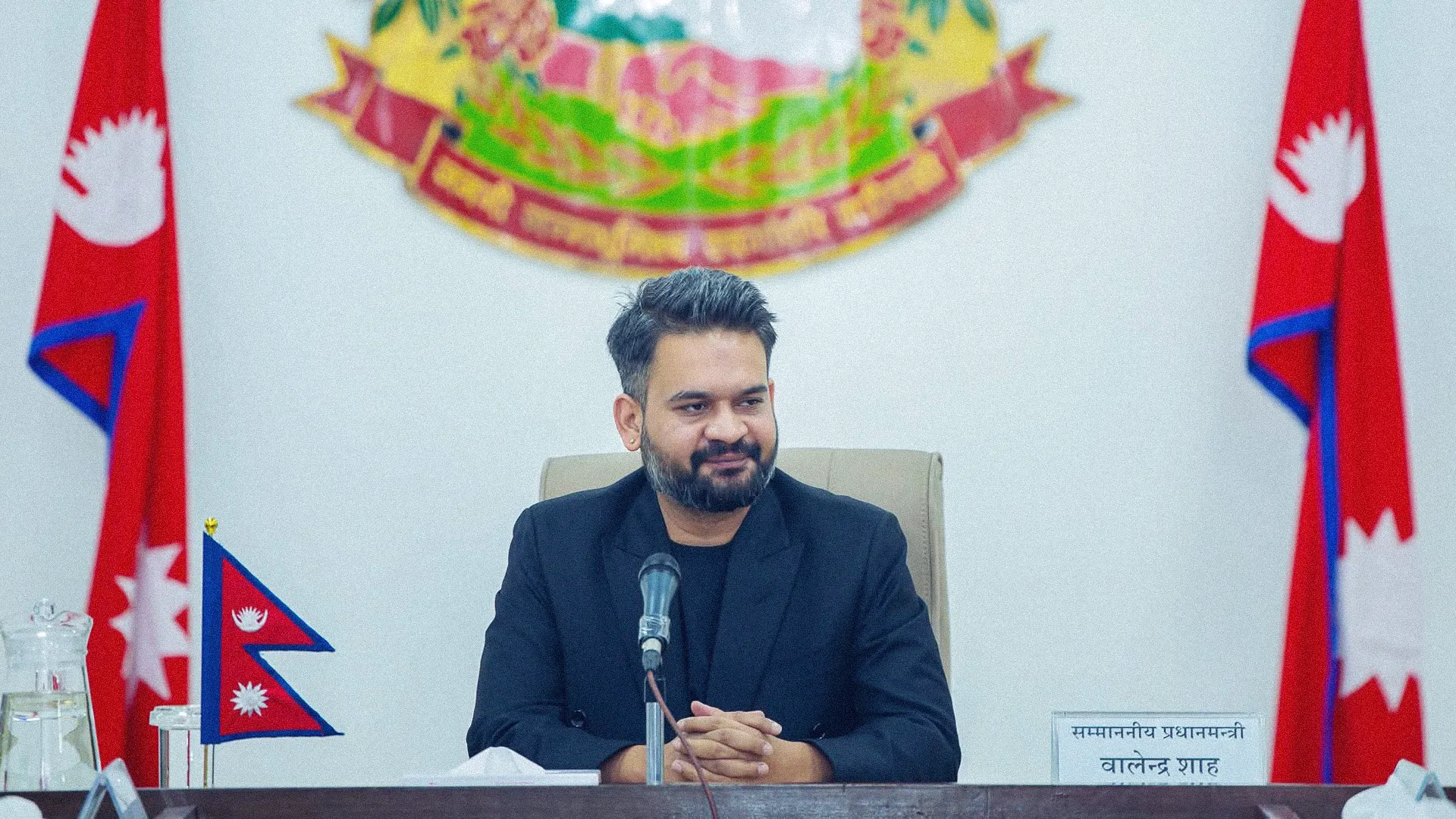
How the government led by Prime Minister Balen Shah advances relations with India will be crucial for Nepal's upcoming foreign policy. The new leadership has a new political style, public expectations, and pressure to deliver performance. However, the style that wins popularity in domestic politics and the style of conducting international relations are not the same. Remarks that appear impactful in domestic politics may not always be useful on a diplomatic platform. Therefore, the government needs to maintain a clear boundary between political popularity and national interest.
The Difference Between Diplomatic Achievement and Political Publicity
It is natural and necessary for a government to inform citizens about its achievements after any foreign visit. Transparency and accountability are important in a democratic governance system. However, making details of achievements public and presenting incomplete understandings or routine diplomatic courtesies as a major victory are different matters.
Diplomatic negotiations involve distinct stages of agreement, understanding, commitment, and implementation. Preliminary discussions cannot be treated as a final agreement. A matter mentioned in a joint statement may not be a project that has entered immediate implementation. Political commitment alone does not guarantee tangible results in investment, trade, or infrastructure.
Therefore, some fundamental questions must be asked when evaluating the Prime Minister's visit to India. On which issues did Nepal secure concrete agreements? Which agreements were signed? Which projects received an implementation timeline? What changed regarding market access for Nepali products? What progress was made to resolve obstacles in hydropower export and transit? The answers to these questions must form the basis of the visit's real achievements.
Political interpretations made on social media may remain popular for a short time. However, the durability of diplomatic achievements depends on implementation, institutional commitment, and long-term outcomes.
Do Not Make Relations with India a Subject of Domestic Political Popularity
Alongside historical closeness, relations between Nepal and India also involve certain complex and sensitive issues. Nepal has its own concerns regarding border disputes, trade imbalance, transit, utilization of water resources, and past treaties and agreements. Nepal's stance on these issues must be clear and firm. Protecting national sovereignty and self-respect is an obligatory responsibility of any government.
However, defending national self-respect and using diplomatic relations for domestic political gain are not the same thing. Having disagreements with a neighbor is not unnatural. Differences of opinion exist on various issues even among the world's closest partners. The hallmark of mature diplomacy is the ability to manage disagreements while expanding cooperation in areas of mutual interest.
If there is disagreement on any issue in relations with India, it should be addressed through institutional dialogue, technical discussions, and diplomatic mechanisms. A situation must not be created where public statements and political reactions weaken the prospects for dialogue. Nepal can firmly present its stance, but doing so requires facts, preparation, and effective negotiating capability, not emotional agitation.
A Test of Diplomatic Maturity for the Balen Government
The government led by Prime Minister Balen Shah has an opportunity to learn lessons from the weaknesses of past governments. Citizens also expect the new political leadership to establish result-oriented governance and mature diplomatic practices instead of repeating old tendencies.
The visit to India needs to be viewed from this perspective. Rather than confining the visit's achievements to the language of political victory or defeat, the Prime Minister and his team must focus on concrete economic and strategic benefits that Nepal can secure.
The first priority must be energy cooperation. As Nepal's hydropower generation capacity expands, smooth and predictable access to the Indian market becomes critically important. Clear arrangements are necessary regarding power purchase, transmission lines, long-term market access, and investment security.
Second, concrete initiatives must be taken to remove trade and transit barriers. Since India is Nepal's major trading partner, improvements in border checkpoint infrastructure, customs procedures, rail and road connectivity, and transit facilities can directly impact Nepal's economic activity.
Third, investment and industrial cooperation must be prioritized. Investment can be attracted to Nepal in hydropower, agro-processing, tourism, information technology, manufacturing industries, and infrastructure. For that, policy stability, guarantee of investment security, and simplification of administrative procedures are required within Nepal itself.
Fourth, regular and result-oriented dialogue must be institutionalized on border and other sensitive bilateral issues. Instead of limiting these issues to political slogans, they must be moved toward resolution based on facts and evidence.
Signing Agreements Alone Is Not Success, Implementation Is Real Success
A longstanding problem in Nepal's development journey is also the gap between commitment and implementation. Although important projects have been included in understandings, agreements, and joint declarations reached at various times, not all of them have gained expected momentum. Therefore, merely adding new agreements is not enough; the status of past agreements must also be reviewed.
The government can prepare a public implementation report of major agreements and projects signed with India. It must be clear which project has been completed, which is under construction, which is stuck in procedural hurdles, and which matter requires further negotiation. A responsible ministry, implementing agency, and timeline must be designated for every major project.
This brings two benefits. First, it helps translate diplomatic achievements into real results. Second, citizens can evaluate the government's performance based on evidence and progress rather than political claims.
The government can adopt this very method in the report it makes public after the India visit. Signed agreements, reached understandings, preliminary discussions, and future proposals should be presented separately. This increases the government's credibility while also ensuring diplomatic transparency.
National Self-Respect and Economic Cooperation Are Not Opposed to Each Other
Nepal must safeguard its sovereignty and independent decision-making capacity in its relations with India. However, that does not mean staying away from economic cooperation or viewing every bilateral issue from a perspective of rivalry.
In modern international relations, nations benefit from interdependence while keeping their national interests at the center. Nepal must also utilize its geographical location, natural resources, and regional economic potential. Expanding cooperation with India while advancing balanced relations based on national interest with China and other development partners is an integral aspect of Nepal's independent foreign policy.
However, a lack of clear priorities and strategic directionlessness is unacceptable in the name of balance. Nepal must be clear about what it wants to achieve in each relationship, where its stance lies, and in which areas cooperation can be expanded.
Politics of National Interest Rising Above Popularity
The current challenge for Prime Minister Balen Shah and his team is not only to maintain good relations with India, but also to make Nepal's foreign policy result-oriented and institutionalized. For this, it is necessary to rise above political popularity and adopt a long-term vision on matters of national interest.
The government must inform citizens about the achievements of the visit, answer questions, and remain accountable for its performance. However, the interpretation of diplomatic achievements must be based on facts. Political publicity may bring immediate popularity, but it does not reduce the trade deficit, expand electricity exports, ease transit, or create jobs.
This is precisely what Nepal needs today—confident yet pragmatic diplomacy, clear national priorities, and firm commitment to implementing agreements.
Relations with India are not the personal political achievement of any single government, party, or leader. They are a long-term strategic asset of the nation. Instead of using them for momentary political gain, they must be made the foundation for economic opportunity, regional connectivity, and shared prosperity for future generations.
The true proof of diplomatic success is not victory declarations made on social media, but positive changes visible in the lives of the Nepali people.