


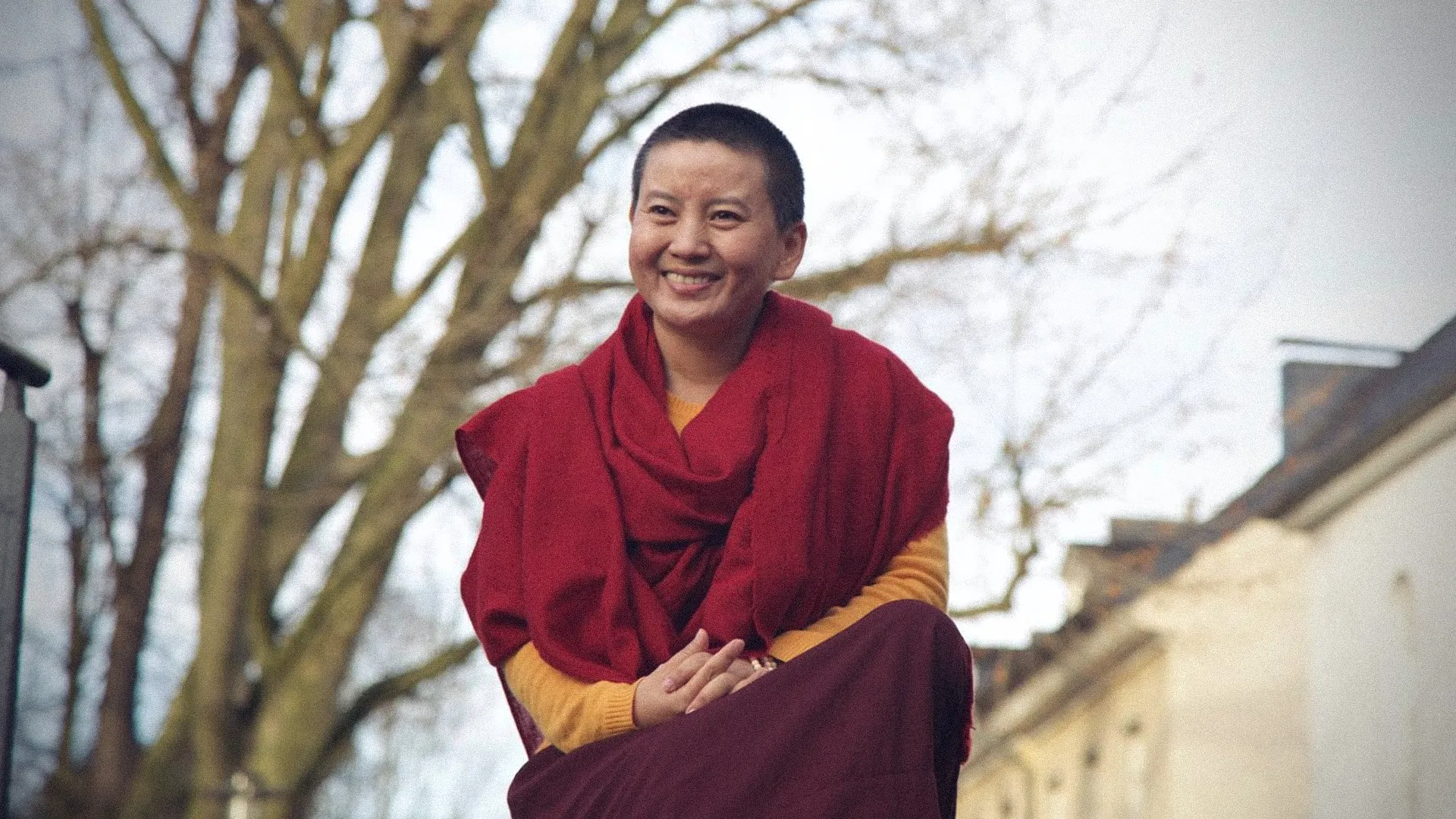
SB Shah - The historical relationship between Nepal and Tibet extended far beyond geographical boundaries, encompassing centuries of social, cultural, and religious affinity. Historical records reveal numerous treaties between the two regions. Clause 1 of the 1792 Betrawati Treaty and contemporary diplomatic correspondence recognized a three-tier arrangement where China was treated as the parent, Nepal as the elder brother, and Tibet as the younger brother. Later, the 1856 Thapathali Treaty maintained Nepal’s special privileges. However, the geopolitical landscape shifted dramatically in 1950 when the People's Republic of China assumed full control over Tibet and unilaterally delineated boundaries. Subsequently, Article 3 of the Nepal-China Treaty signed on September 20, 1956, formally annulled all past treaties, including the Betrawati and Thapathali agreements.
Statelessness and Systemic Compulsions
In the wake of these historical shifts, a large number of Tibetan refugees entered Nepal as stateless individuals. Beyond Tibetan refugees, returnees from Greater Nepal, Indian Nepali communities, border residents, and members of the Sikh community endured years of statelessness due to the absence of clear state policies. To secure livelihoods, education, employment, and basic human rights, many individuals were forced to acquire citizenship using false details under indigenous surnames such as Tamang, Gurung, Ghising, Moktan, and Sherpa. Obtaining citizenship through alternative or fraudulent documents was not a matter of choice, but a dire compulsion arising from ambiguous government policies. Addressing these historical and humanitarian issues requires transparent and legal policy frameworks to grant citizenship.
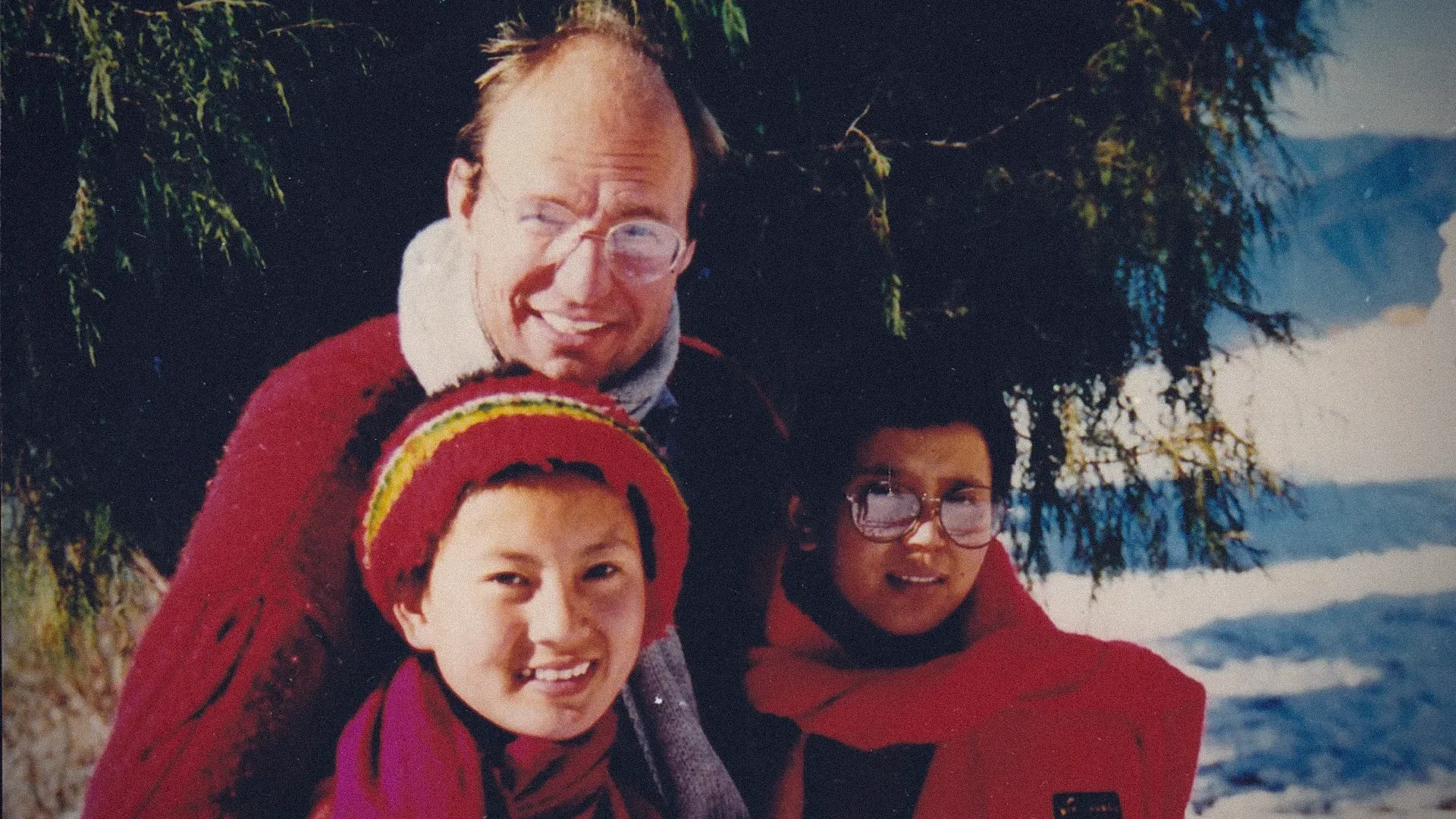
Ani Choying Drolma's Citizenship Records
It is within this broader context that the citizenship dispute surrounding renowned singer and Buddhist nun Ani Choying Drolma must be examined. Born in Boudha, Kathmandu, Ani entered Nagi Gumba in Shivapuri at age 13, learning spiritual practice and music under Guru Tulku Urgyen Rinpoche. In her autobiography 'Phoolko Aakhama' (English title: 'Singing for Freedom'), she mentions that her parents came from Tibet and that her father passed away around 2004. However, records at the District Administration Office (DAO) Kathmandu show that on Jestha 18, 2046 BS (reissued on Kartik 24, 2066 BS), she obtained citizenship by descent under the name 'Choying Drolma Moktan Lama', listing Kanchha Bahadur Lama of Chapali Bhadrakali Village Panchayat-6 as her father. Following a complaint by Kanchha Bahadur's son, Pramansingh Lama—who stated that his father died in 2039 BS and that Ani was not a family member—the Metropolitan Police Range Kathmandu requested DAO records on Poush 8, 2076 BS via letter number 8460.
Technical Discrepancies versus National Identity
This document discrepancy may stem from the same historical and systemic compulsion of statelessness, although its final legal determination remains pending. Regardless of technical documentation issues, Ani Choying Drolma's contributions render her identity unequivocally Nepali. If a laboratory existed to measure patriotism, her record would far surpass those holding citizenship by descent who commit treason against the nation.
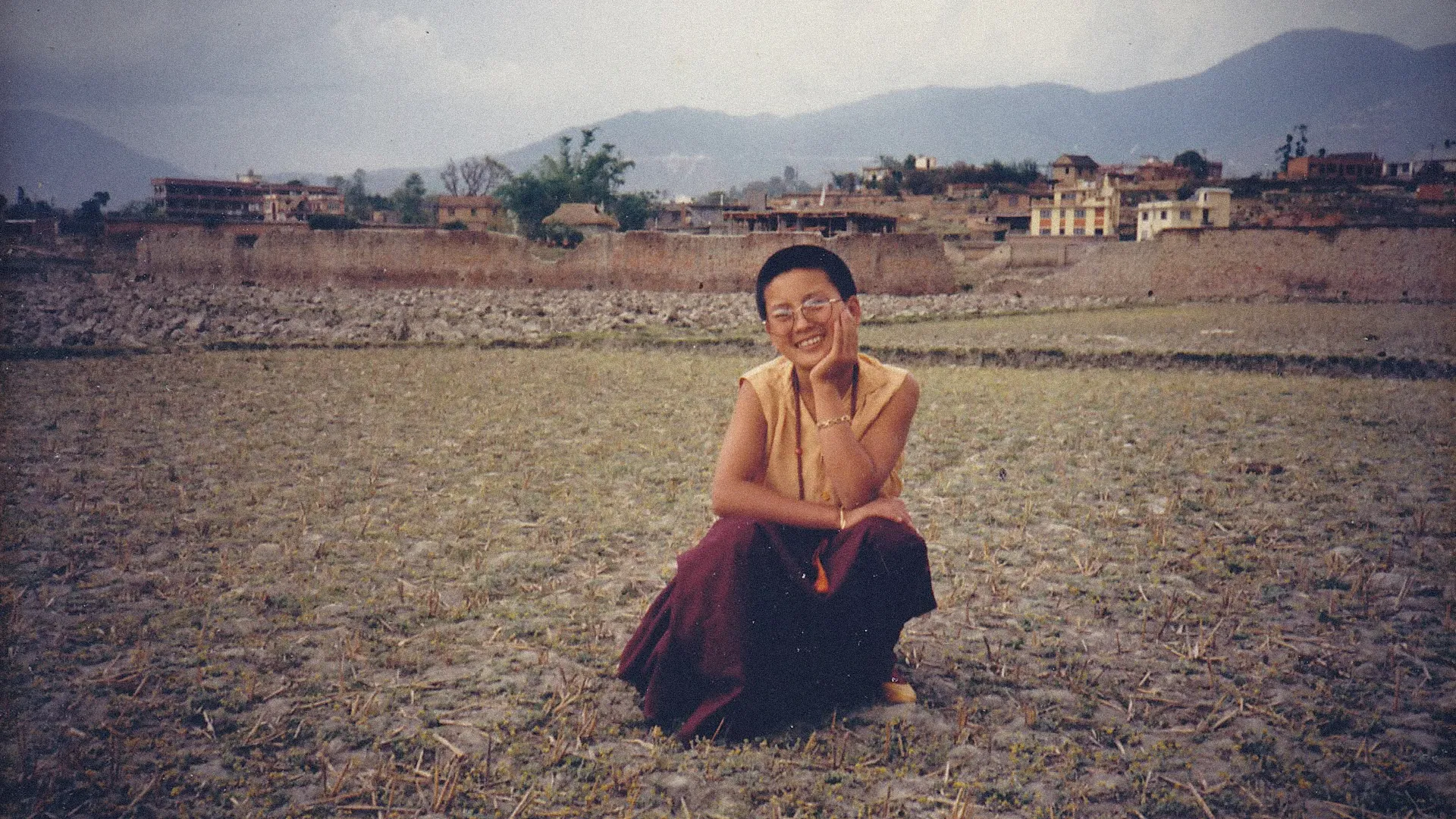
Philanthropic Contributions and Global Renown
Ani’s public persona is multifaceted, characterized by extraordinary social and cultural contributions on one hand, and financial and administrative scrutiny on the other. Known globally as the 'Singing Nun', she elevated Himalayan music to international platforms through her 1997 album 'Cho' and collaborations with Steve Tibbetts and A.R. Rahman. In philanthropy, she established the Nuns Welfare Foundation in 1998 and has operated the Arya Tara School in Pharping since 2000, providing modern and religious education to nuns. Through the Arogya Foundation established in 2010, she facilitated free dialysis and treatment for kidney patients. In 2018, she handed over NPR 10 million to then Prime Minister KP Sharma Oli for the Tuin (wire bridge) displacement fund. Serving as a Goodwill Ambassador for UNICEF and WWF, she partnered with Manavsewa Ashram to conduct street rescue operations across 46 districts, rescuing over 300 individuals, while taking a brave social stance in 2011 by sheltering a sexually abused nun.
Financial Investigations and Regulatory Oversight
Conversely, issues of financial opacity and administrative access have kept her under continuous scrutiny. Between May 9 and May 11, 2018, three transactions totaling USD 1,649,940 (approximately NPR 183.1 million at the prevailing exchange rate) were deposited into her Mega Bank account from individuals named Liang, Chung, Hang, and Jiori in Hong Kong. This prompted investigations by the Financial Information Unit of Nepal Rastra Bank and the Department of Money Laundering Investigation. Following media exposure by Kantipur Daily on Jestha 28, 2076 BS, claims emerged regarding a prior unauthorized deposit of nearly NPR 200 million. Reports indicated pressure from the secretariat of then Prime Minister KP Sharma Oli to release the funds, leading to the department being transferred from the Ministry of Finance to the Prime Minister’s Office, and the transfer of Director General Jeevan Prakash Sitaula after refusing to comply, replaced by Rupanarayan Bhattarai. A formal legal conclusion to this investigation is still pending.
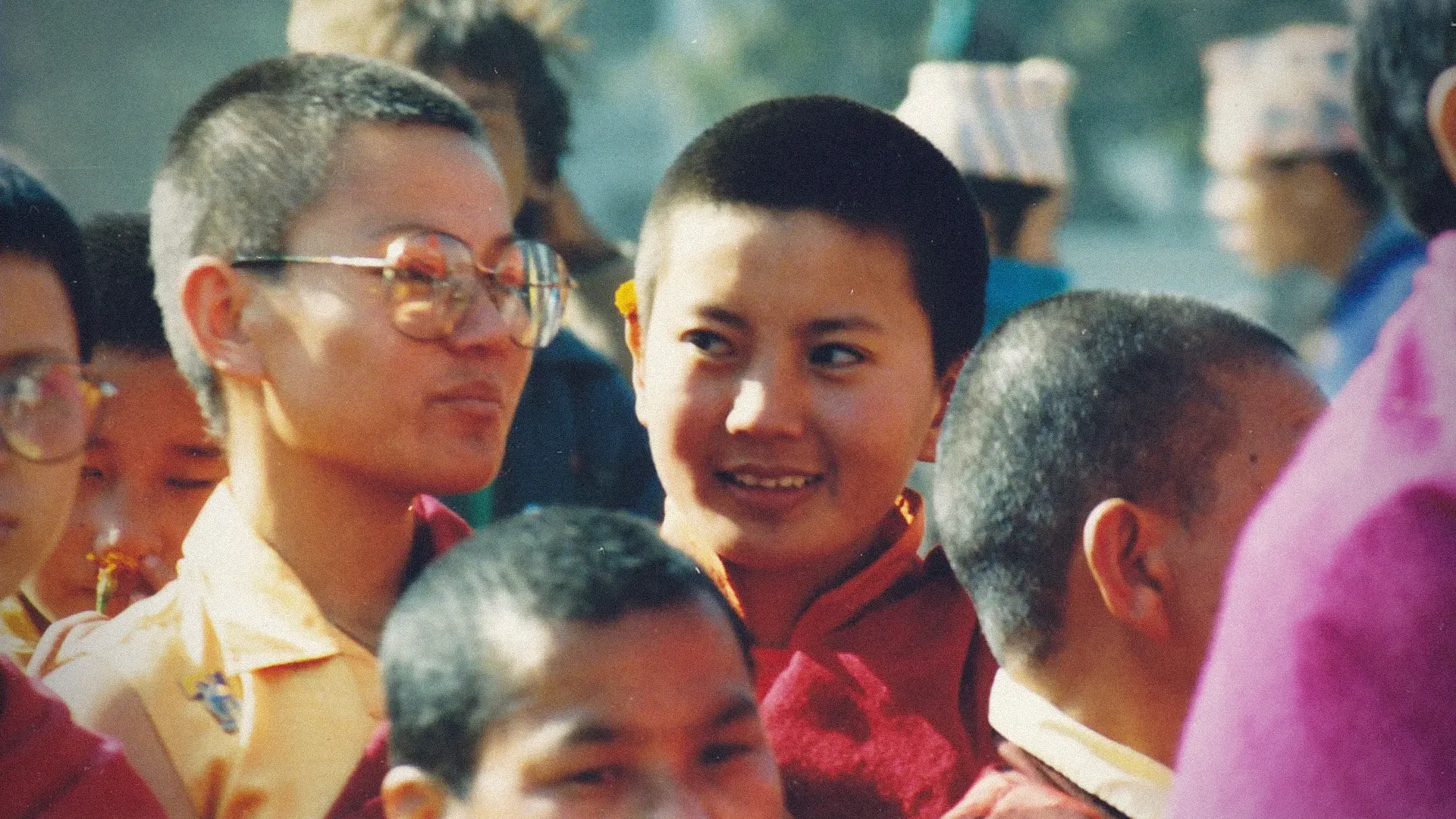
Lumbini Development Trust Appointment and Protests
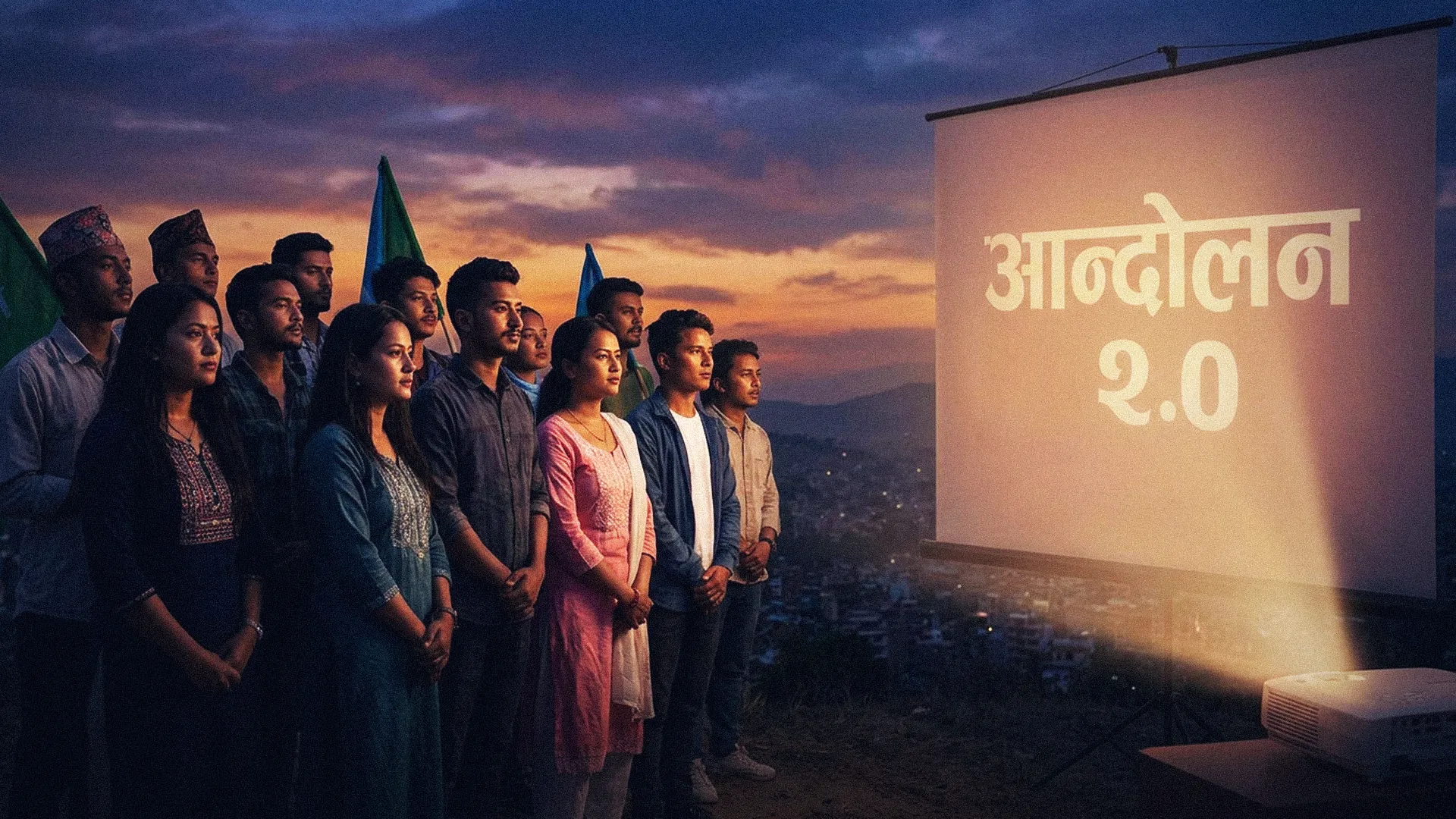
Amid this background, on Kartik 16, 2083 BS, the Cabinet approved a proposal by Minister for Culture, Tourism and Civil Aviation Khadak Raj Paudel 'Ganesh' appointing Ani as Vice-Chairperson of the Lumbini Development Trust. Despite a roster of 104 applicants (out of 727 total) formed following an open ministry call for the vice-chair position, local Buddhist scholars and youth—including Akram Khan, President of the 'Lumbini Bachao Mahaabhiyan', and the 'National Gen Z Citizens Campaign'—announced protests starting Kartik 18, alleging political influence over merit. Protesters demand the resolution of money laundering and citizenship disputes, advocating for leadership by local and Buddhist philosophy scholars.
Legal Governance and Ethical Perspectives
Examining these legal and social dimensions reveals Ani Choying Drolma's life and public role as a complex intersection. On one side lie legal standards, financial regulation, and administrative transparency; on the other lies a lifetime of selfless social service, compassion, and global promotion of national identity. Morality can at times be broader than the strict letter of the law. While legal codes confine individuals to technical boundaries, ethics encompasses human empathy, social contribution, and circumstantial compulsions.
For public figures, legal transparency and moral integrity remain mandatory prerequisites. While honoring the significant social contributions of figures like Ani Choying Drolma, the state must resolve past legal and financial inquiries impartially and transparently. Furthermore, rather than weaponizing historical statelessness against individuals, the state must establish permanent and legal policy solutions. Balancing compassion with the rule of law remains essential for building a mature and just society.