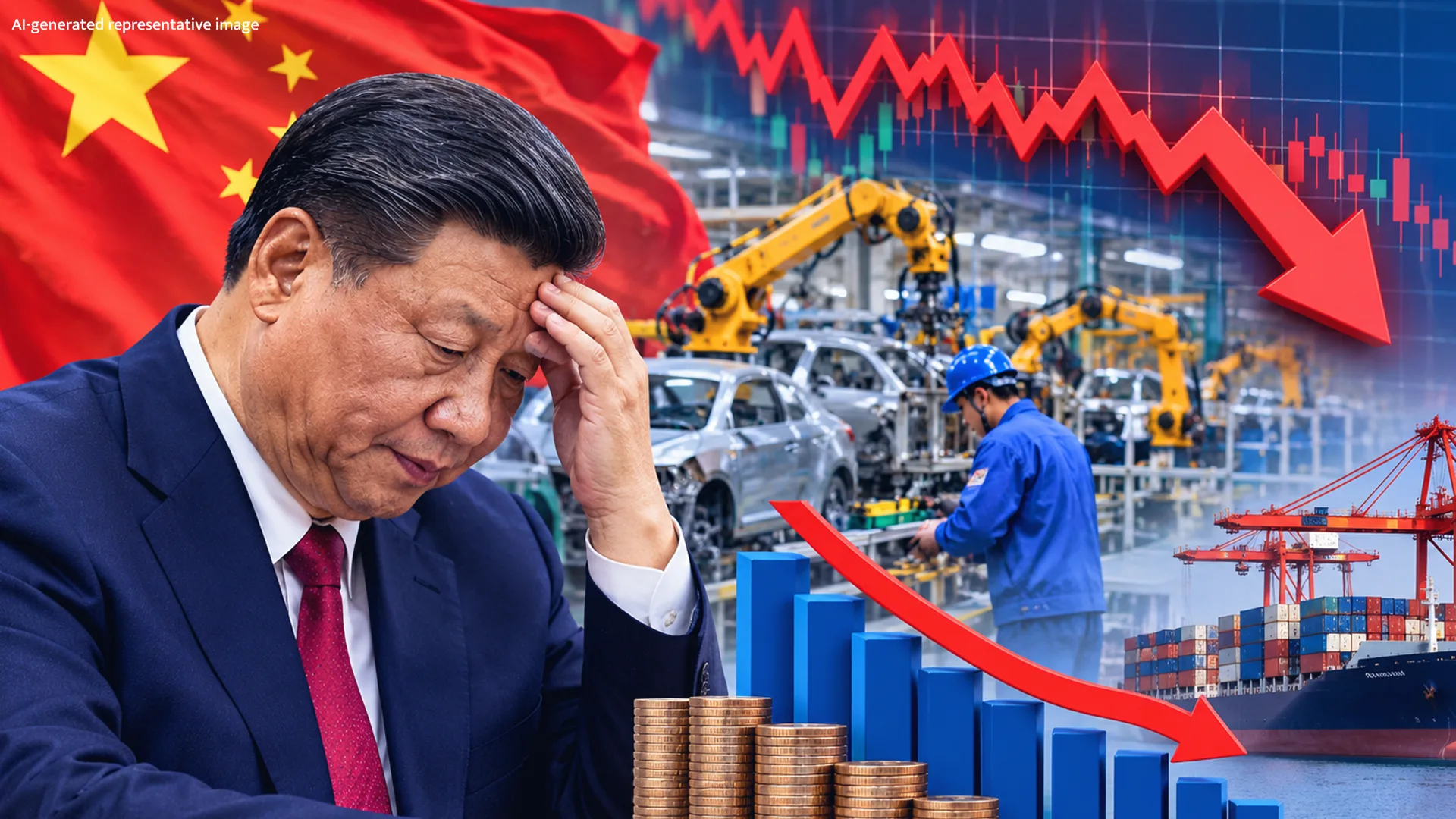


Millions of ordinary citizens across China are grappling with deepening unemployment, falling incomes, and rising living costs, exposing a stark divide between Beijing's carefully crafted superpower image and daily economic reality. While gleaming skyscrapers and mega-infrastructure projects project national prosperity, countless Chinese families are now struggling simply to afford basic necessities.
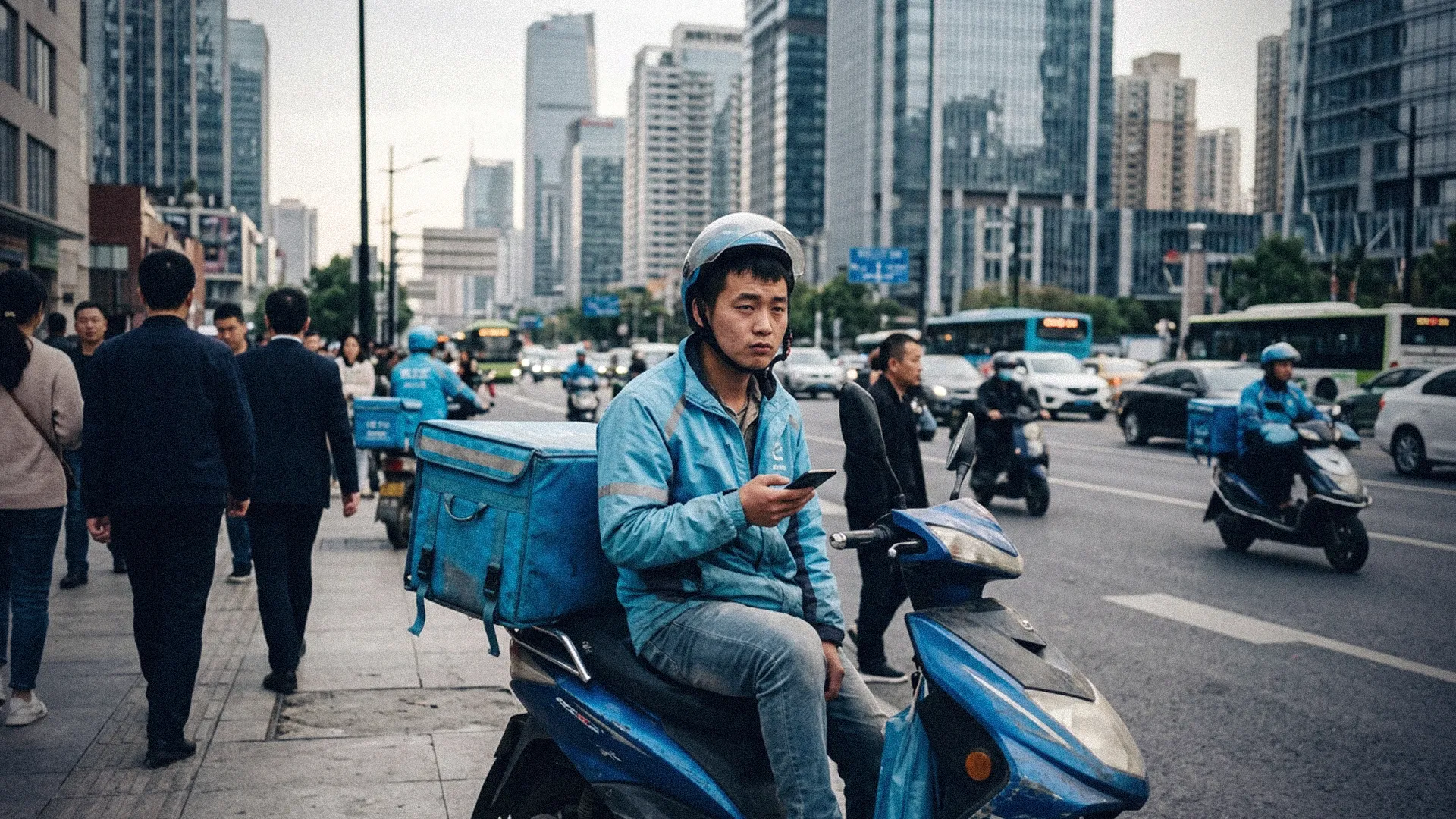
Across major Chinese cities, day labourers gather before dawn for scarce work, while food delivery riders routinely toil 12 to 14 hours daily just to pay for rent and meals. Meanwhile, middle-aged workers laid off during the slowdown face severe age discrimination in a labour market that heavily favours candidates under 35.
Official government figures underscore the mounting economic strain despite Beijing's narrative of stability. Excluding students, China's youth unemployment rate for those aged 16 to 24 reached 18% in September 2026, intensifying competition as more than 12 million university graduates enter the workforce every year.
Compounding the jobs crunch, China's prolonged real estate downturn—a sector that once drove roughly a quarter of economic activity—continues to drag down growth through falling sales, unfinished housing projects, and weak demand, according to Reuters surveys of market analysts. Simultaneously, official data shows foreign direct investment declined for several consecutive years, dropping further in 2025 and remaining under pressure in 2026 as international firms reassess geopolitical and economic risks.
These macroeconomic pressures have forced small businesses and restaurants to shut down while triggering factory layoffs and lower wages for migrant workers. Although Beijing claims to have eradicated extreme poverty, vulnerable groups—including rural elderly citizens relying on modest pensions—are cutting back on meat and healthcare, leaving low-income households one medical emergency away from financial ruin.
Critics contend that the Chinese Communist Party has prioritized growth targets, industrial policy, and global influence over domestic welfare and private-sector job creation. At the 2024 Forum on China-Africa Cooperation, President Xi Jinping pledged roughly 360 billion yuan (around US$50.7 billion) in financing, investments, and aid to African nations over three years, drawing scrutiny alongside ongoing Belt and Road Initiative spending while domestic consumer confidence falters.
Analysts note that lasting national stability depends on whether Beijing redirects its substantial policy tools toward strengthening healthcare, pensions, and household incomes. Until authorities address these domestic hardships with the same urgency devoted to overseas diplomacy, the so-called Chinese Dream will remain out of reach for millions of working families.