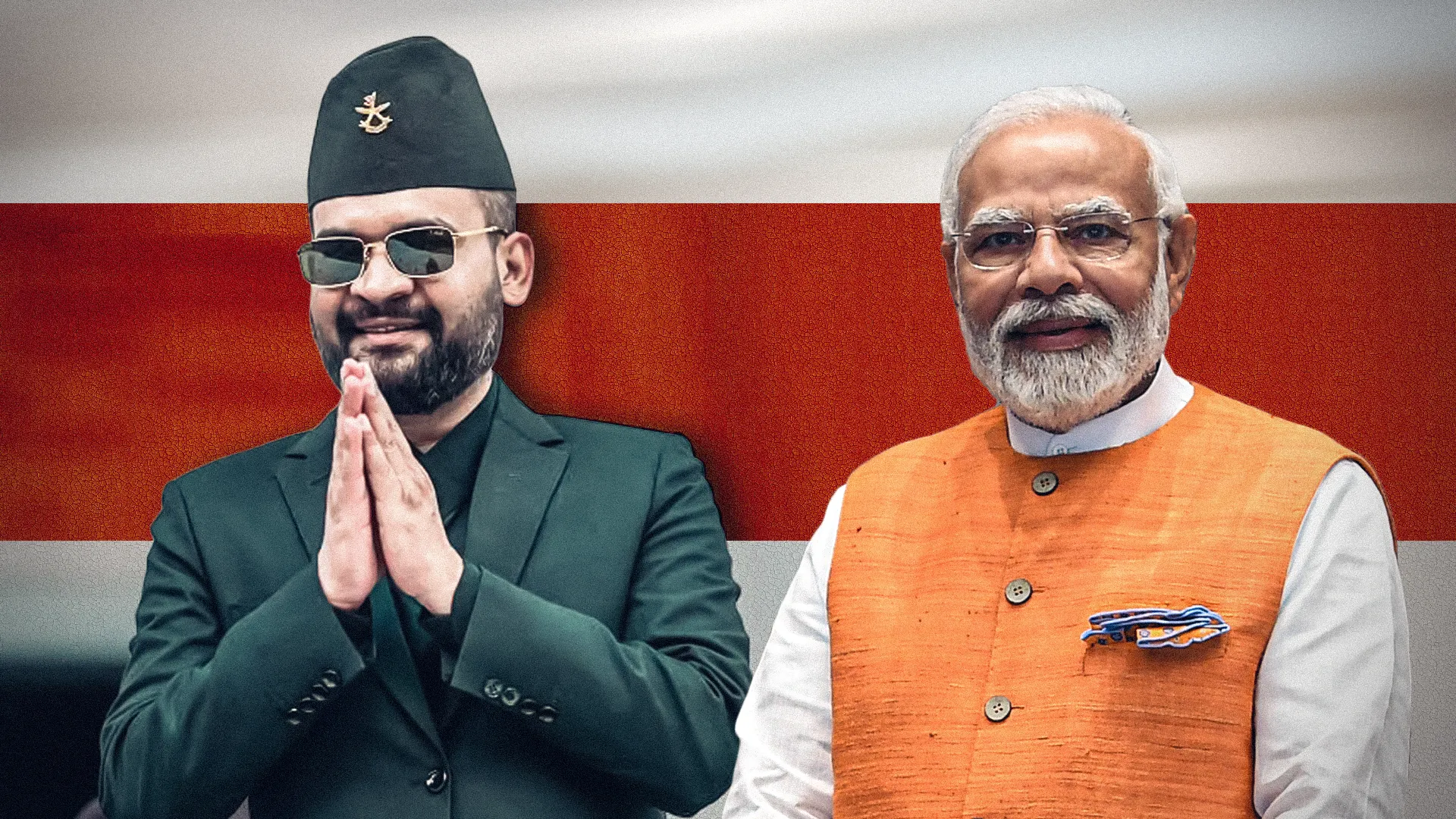


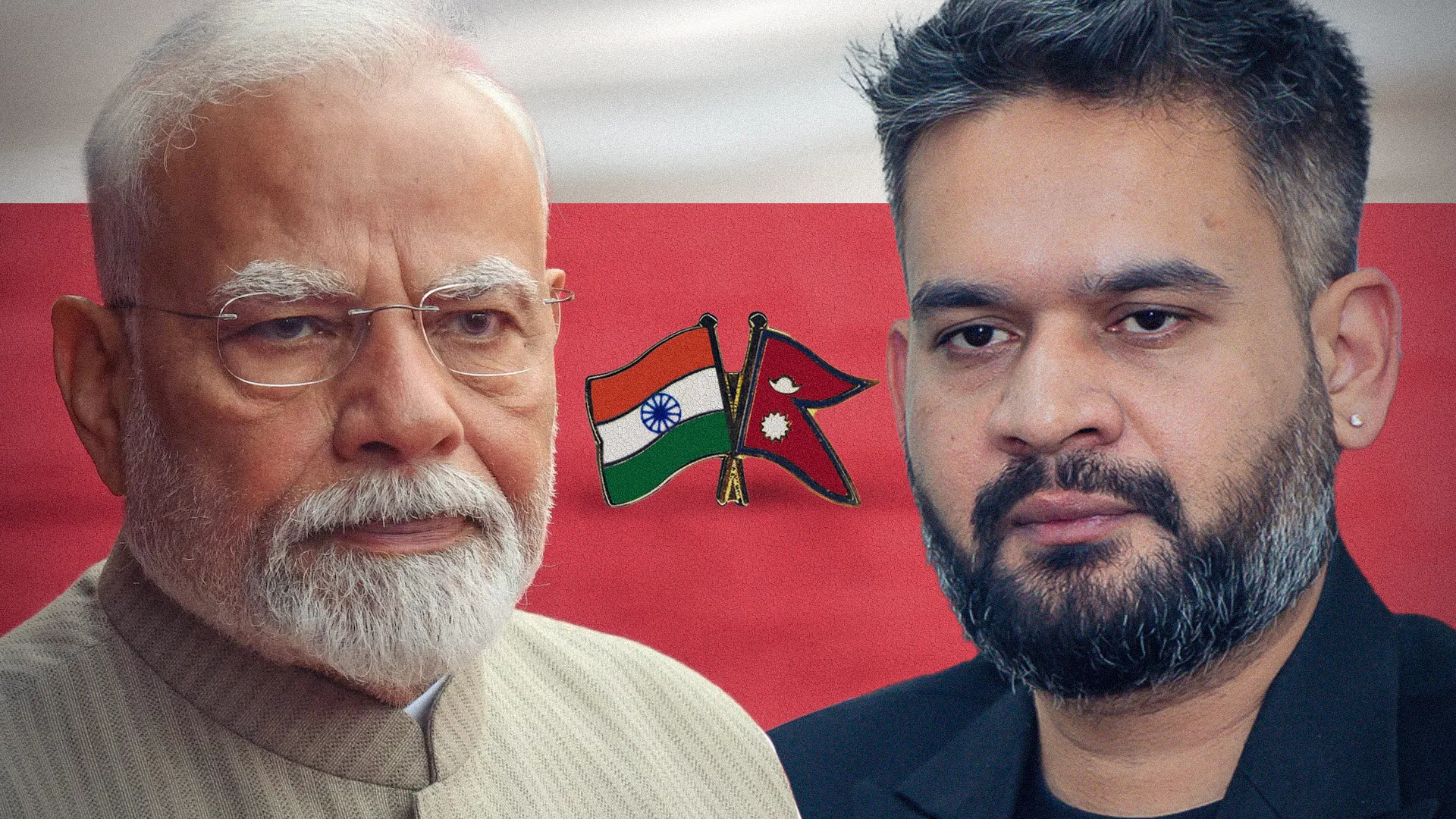
KATHMANDU — India’s Ministry of External Affairs (MEA) has affirmed that Prime Minister Shah’s upcoming visit for a bilateral summit with Indian Prime Minister Modi will cover the "entire spectrum of bilateral relations," signaling New Delhi’s push for comprehensive stability and economic alignment with Nepal’s newly elected government.
In a statement issued on Nov 10, New Delhi framed bilateral ties across trade, water resources, security, infrastructure, and deep cultural links. MEA Spokesperson Randhir Jaiswal described the relationship between the two neighbors as a "very special partnership" and an "expansive partnership."
Core Pillars of the Bilateral Agenda
The upcoming summit between Prime Minister Shah and Prime Minister Modi centers on major economic and strategic priorities previously discussed during Foreign Secretary Misri’s visit. India remains Nepal’s largest trading partner and a major development partner.
Key agenda items span three primary areas:
-
Trade and Transit: Expanding bilateral trade and enhancing transit access.
-
Energy and Grid: Advancing hydropower cooperation, hydro projects, and cross-border power transmission.
-
Sovereignty and Borders: Addressing boundary management and holding discussions on Kalapani, Limpiyadhura, and Susta.
Impact on Citizens and Pending Details
Broad-spectrum bilateral cooperation directly affects trade costs, cross-border energy revenue, job creation, and border security for borderland communities in Nepal and India.
While officials have outlined the broad themes of the talks, finalized agenda items have not yet been officially published ahead of the summit. Any draft agreements or memorandums of understanding (MOUs) planned for signing during the visit remain unconfirmed.
Read this as well: