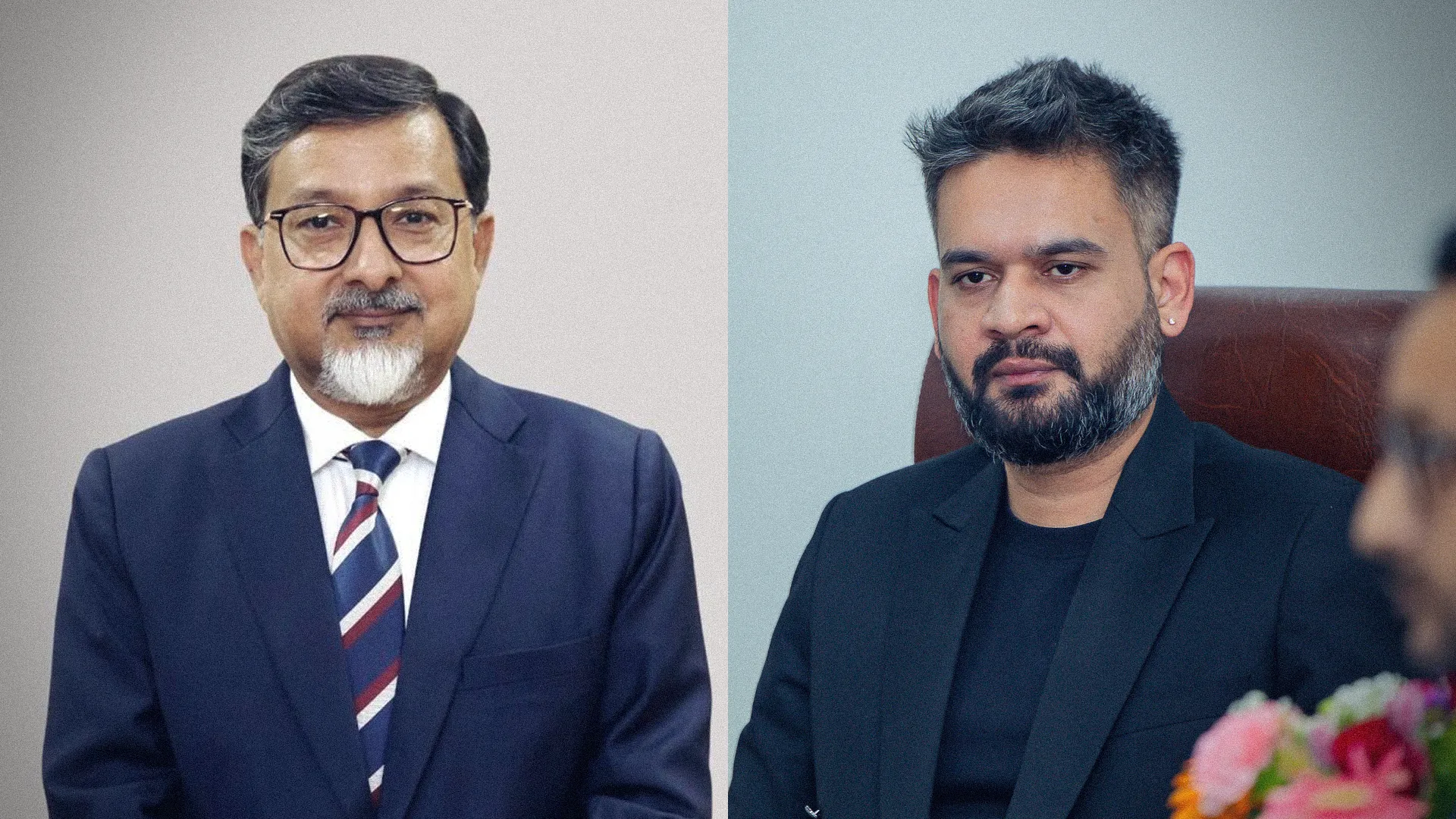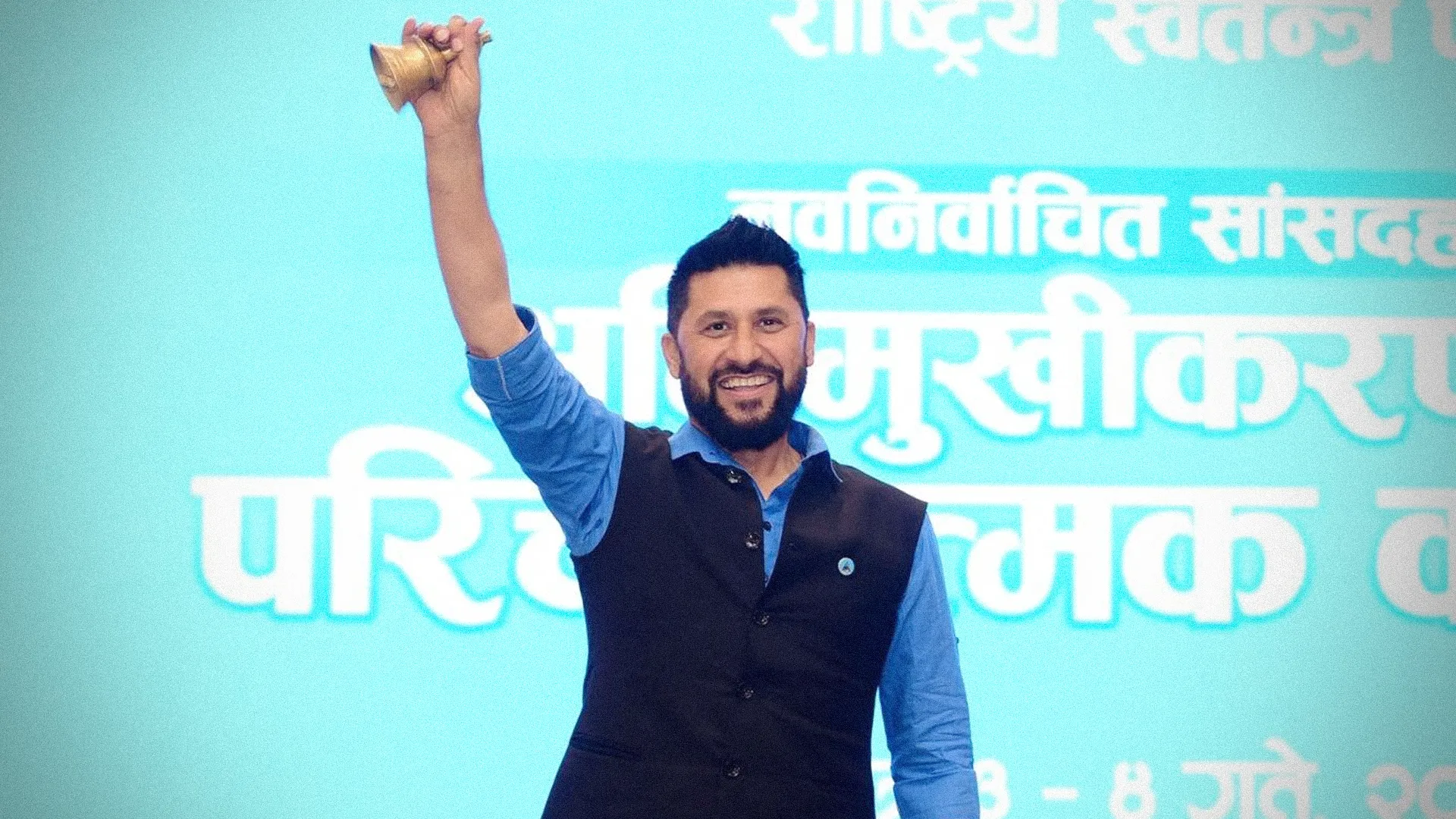


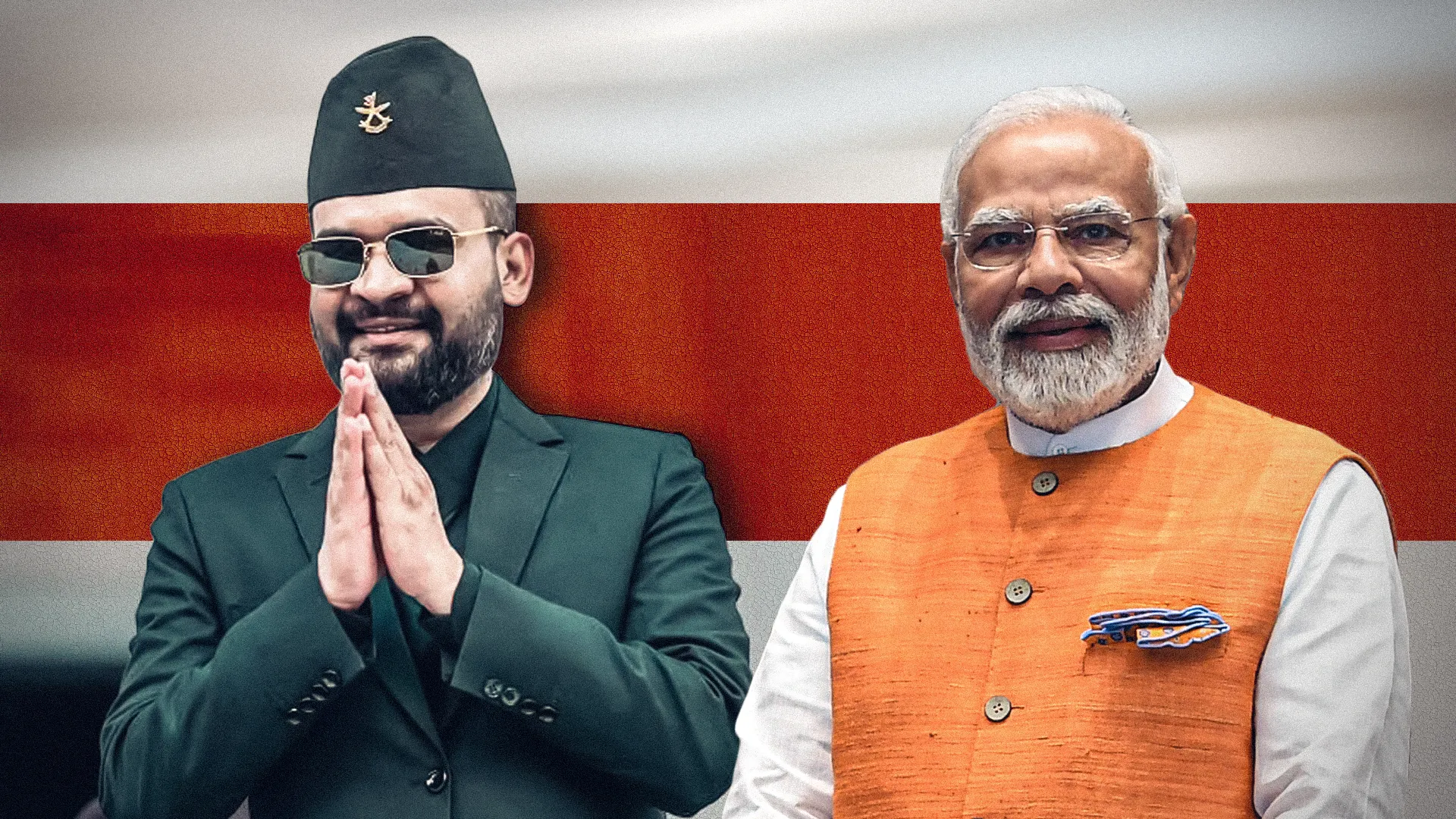
KATHMANDU — Prime Minister Balendra Shah is scheduled to undertake his first official bilateral visit to India from November 22 to 24 (Mangsir 6 to 8) to strengthen cooperation and advance shared development priorities between the two neighbors. According to sources close to the government, the visit was arranged through special initiatives by Kathmandu in close coordination with New Delhi.
Preparations for the New Delhi summit gained momentum following Indian Foreign Secretary Vikram Misri’s visit to Kathmandu on November 4 and 5 at the invitation of his Nepali counterpart, Amrit Bahadur Rai. During his stay, Misri held delegation-level talks with Rai, met Foreign Minister Shisir Khanal and Finance Minister Swarnim Wagle, and called on Prime Minister Shah to deliver a formal invitation from Indian Prime Minister Narendra Modi. New Delhi has welcomed the upcoming engagement, with Indian Ministry of External Affairs spokesperson Randhir Jaiswal describing bilateral ties as an expansive and special partnership. “We have extended an invitation to the Prime Minister of Nepal to visit India. The discussions between the two sides are continuing regarding the visit,” Jaiswal said. “The entire range of bilateral relations that we have with Nepal will be discussed. This is an expansive partnership. This is a very special partnership, and all matters of mutual interest would be discussed,” he added.
Hydropower, Connectivity, and Shared Development
As Nepal’s largest trading partner and a major development partner, India shares an open border alongside deep historical, cultural, economic, and people-to-people ties with Nepal. During the New Delhi talks, both governments plan to focus on expanding Indian-backed hydropower projects in Nepal, advancing cross-border power trade and transmission lines, and accelerating the Pancheshwar Multipurpose Project. Kathmandu is also seeking additional air-entry routes for its international airports, improved trade and transit arrangements, and smooth implementation of India-funded infrastructure projects.
Disaster Relief Cooperation and Constructive Dialogue
Disaster response and post-flood recovery form another vital pillar of bilateral cooperation. Building on India’s support during the Bhote Koshi floods, both countries will discuss flood management and relief coordination as a shared priority. Nepal is seeking around $2 billion in Indian assistance, combining concessional loans and grants, for reconstruction and rehabilitation following the August 26 floods in the Bhotekoshi-Rasuwa corridor. Alongside economic and development initiatives, the two sides are also expected to hold constructive dialogue on border management and resolving longstanding boundary issues, including Kalapani, Limpiyadhura, and Susta.
Ahead of the trip, media observers in Kathmandu have highlighted the visit as an opportunity to bring fresh momentum to bilateral engagement, while officials on both sides continue finalizing the detailed schedule and delegation composition.