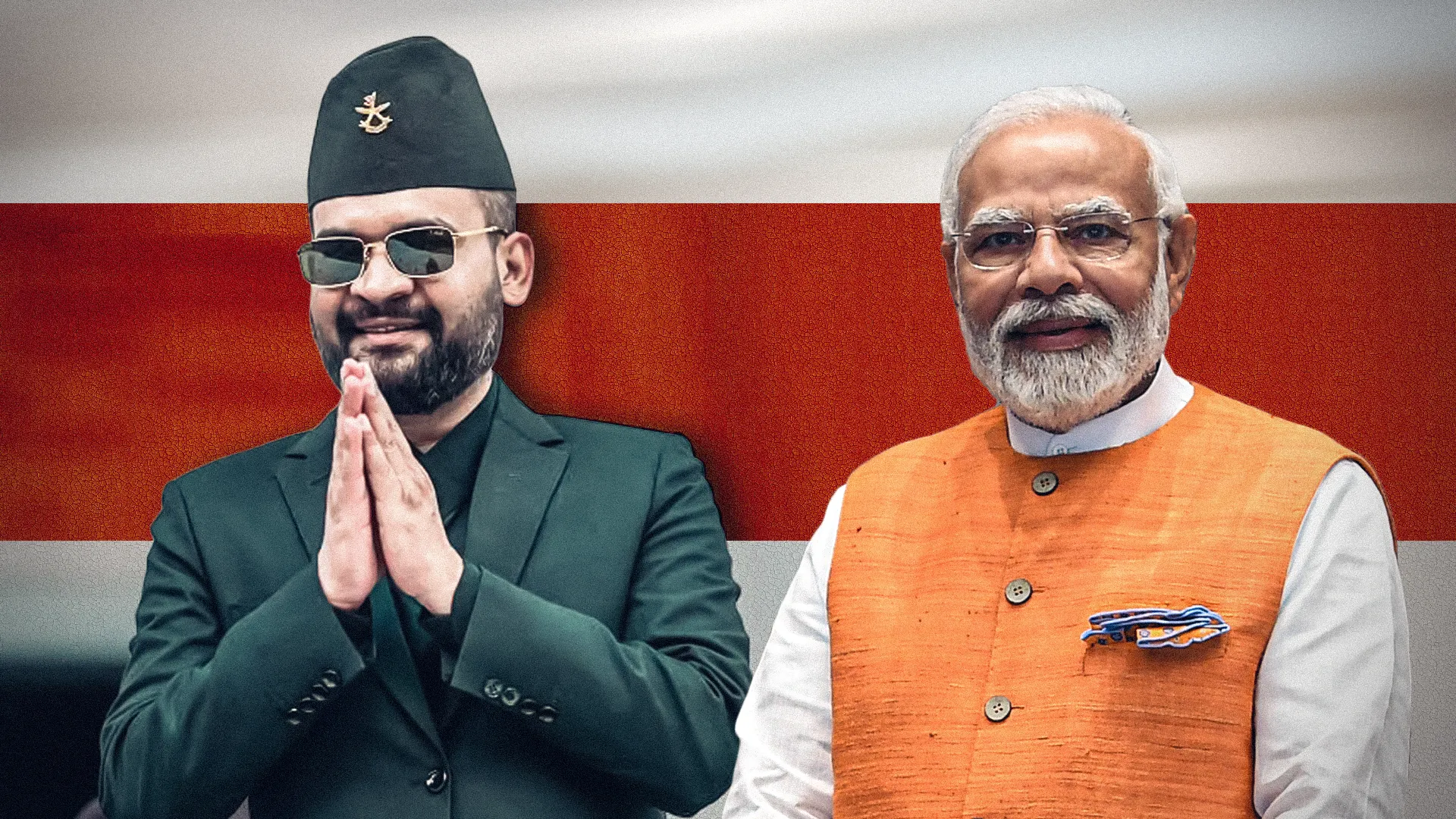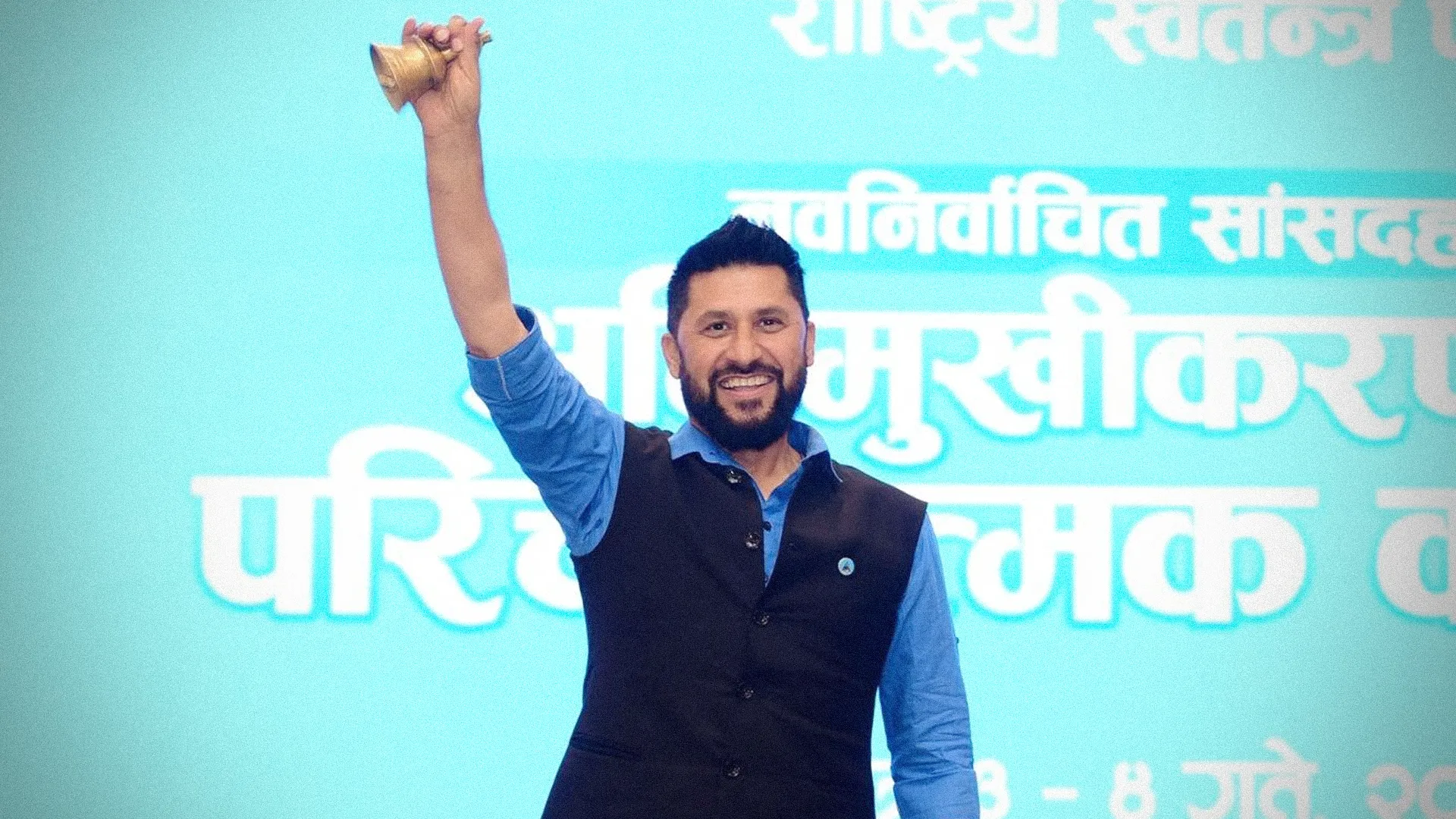


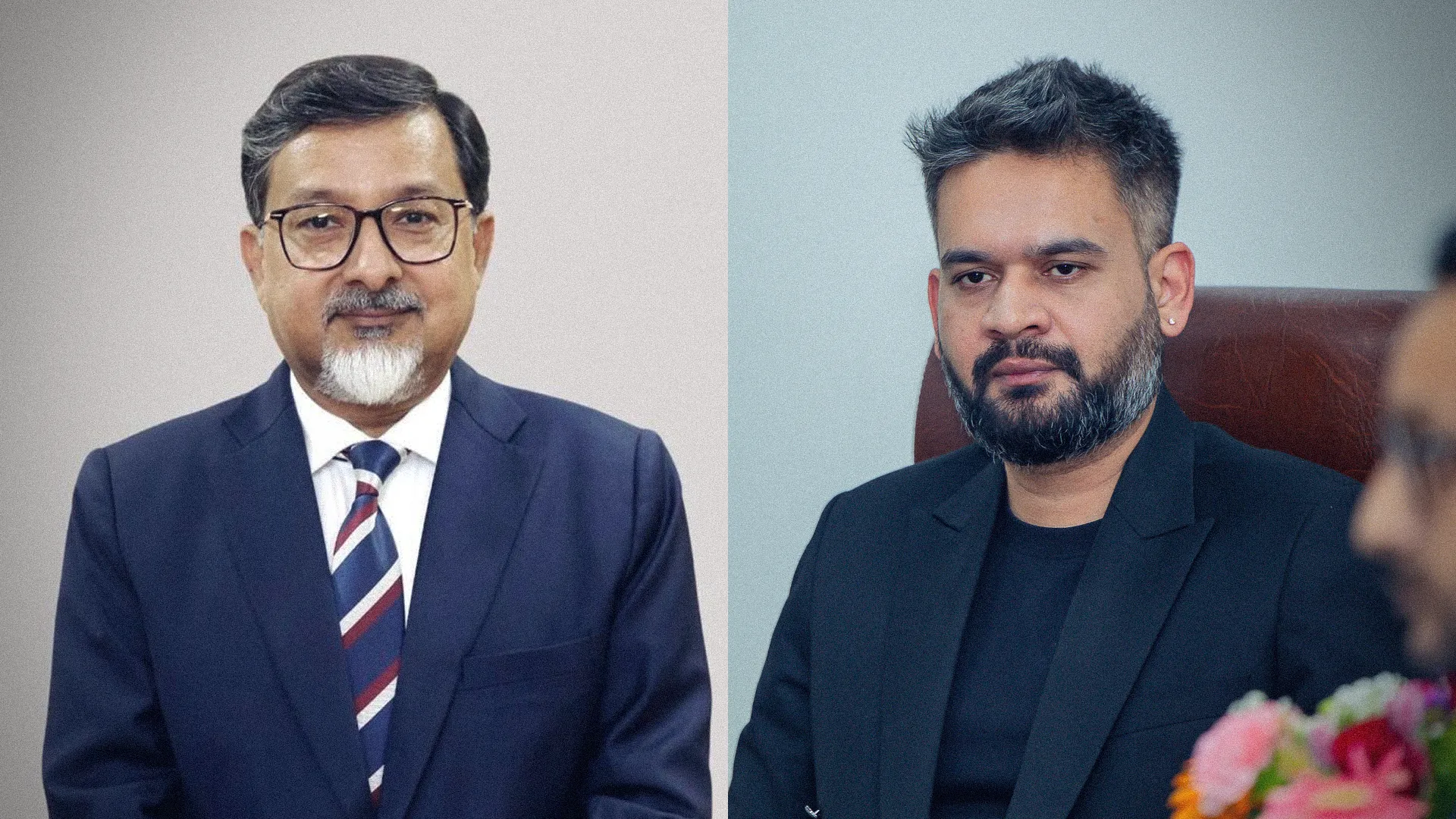
KATHMANDU — As Nepal and India prepare for high-level bilateral talks in New Delhi later this month, diplomatic observers in Kathmandu are pointing to a notable convergence in the backgrounds and leadership styles of Nepali Prime Minister Balendra Shah and India’s newly appointed Ambassador to Nepal, Sudhakar Dalela. Both men enter this pivotal phase of bilateral engagement grounded in formal engineering training and a shared reputation for administrative efficiency, raising expectations that a pragmatic, problem-solving mindset will define the next chapter of relations between the two neighbors
Before entering public life and diplomacy, both Shah and Dalela built their intellectual foundations in technical disciplines that prioritize structured analysis and practical execution. Prime Minister Shah earned a bachelor’s degree in civil engineering in Kathmandu before completing a master’s degree in structural engineering at Visvesvaraya Technological University in Karnataka, India. Across the diplomatic table, Ambassador Dalela holds a bachelor’s degree in electronics engineering. Foreign policy analysts note that while traditional diplomacy in South Asia has often been shaped by political rhetoric and historical sensitivities, leaders trained in engineering tend to approach complex bilateral dossiers—such as cross-border infrastructure, hydropower transmission, and trade bottlenecks—as systemic challenges requiring measurable, timely solutions rather than prolonged ideological debate
This analytical orientation is closely mirrored in both leaders’ commitment to good governance and institutional delivery. Since assuming the premiership in March 2026, Shah has sought to translate the reformist, results-driven administrative model he championed during his tenure as mayor of Kathmandu onto the national stage, emphasizing transparency, bureaucratic accountability, and tangible public service delivery. Similarly, Dalela has built a three-decade career within the Indian Foreign Service defined by disciplined administration, economic statecraft, and institutional execution. Notably, observers report that since both leaders assumed office, administrative workflows within their respective establishments have grown markedly more efficient, with officials and staff demonstrating heightened alertness, greater diligence, and a sharper focus on results. This shared emphasis on reducing red tape and enforcing accountability creates a natural alignment between Kathmandu’s domestic reform agenda and New Delhi’s regional development priorities
New Delhi’s decision to dispatch Dalela to Kathmandu is widely viewed in diplomatic circles as a deliberate signal of the high strategic value India places on its relationship with Nepal under Shah’s administration. A 1993-batch Indian Foreign Service officer, Dalela arrives in Kathmandu at the pinnacle of his diplomatic career, having served as Secretary (Economic Relations) in India’s Ministry of External Affairs from 2025 to 2026 and as India’s Sherpa during its 2026 Chairship of BRICS. Deploying an officer of Secretary rank—a seniority level rarely assigned to ambassadorships in the immediate neighborhood—underscores India’s intent to engage Kathmandu with top-tier institutional weight. Furthermore, Dalela brings deep regional and economic expertise to the role, having previously served as Joint Secretary (North) overseeing Nepal and Bhutan from 2016 to 2019, Ambassador to Bhutan from 2022 to 2025, Director in the Prime Minister’s Office, and Deputy Chief of Mission in Washington, D.C., alongside extensive postings in international trade policy
The timing of Ambassador Dalela’s arrival further underscores the coordinated diplomatic choreography between the two capitals. Dalela formally assumed office in Kathmandu in early November 2026, presenting his credentials just weeks ahead of Prime Minister Shah’s first official bilateral visit to New Delhi, scheduled for November 23 to 25. Having an envoy with direct command over India’s multilateral economic diplomacy and deep familiarity with Himalayan affairs stationed in Kathmandu during the final preparations for the summit ensures seamless institutional coordination between the two governments
With both leaders bringing technocratic rigor and delivery-focused governance to the forefront of statecraft, expectations are high that their partnership will foster strong personal rapport and institutional synergy. As Prime Minister Shah prepares to meet Indian leadership in New Delhi, the alignment between a reform-minded engineer at the helm in Kathmandu and a seasoned technocrat-diplomat representing India is poised to accelerate long-pending infrastructure and energy initiatives, elevating Nepal–India cooperation toward a more pragmatic and mutually beneficial future.
Read this as well: