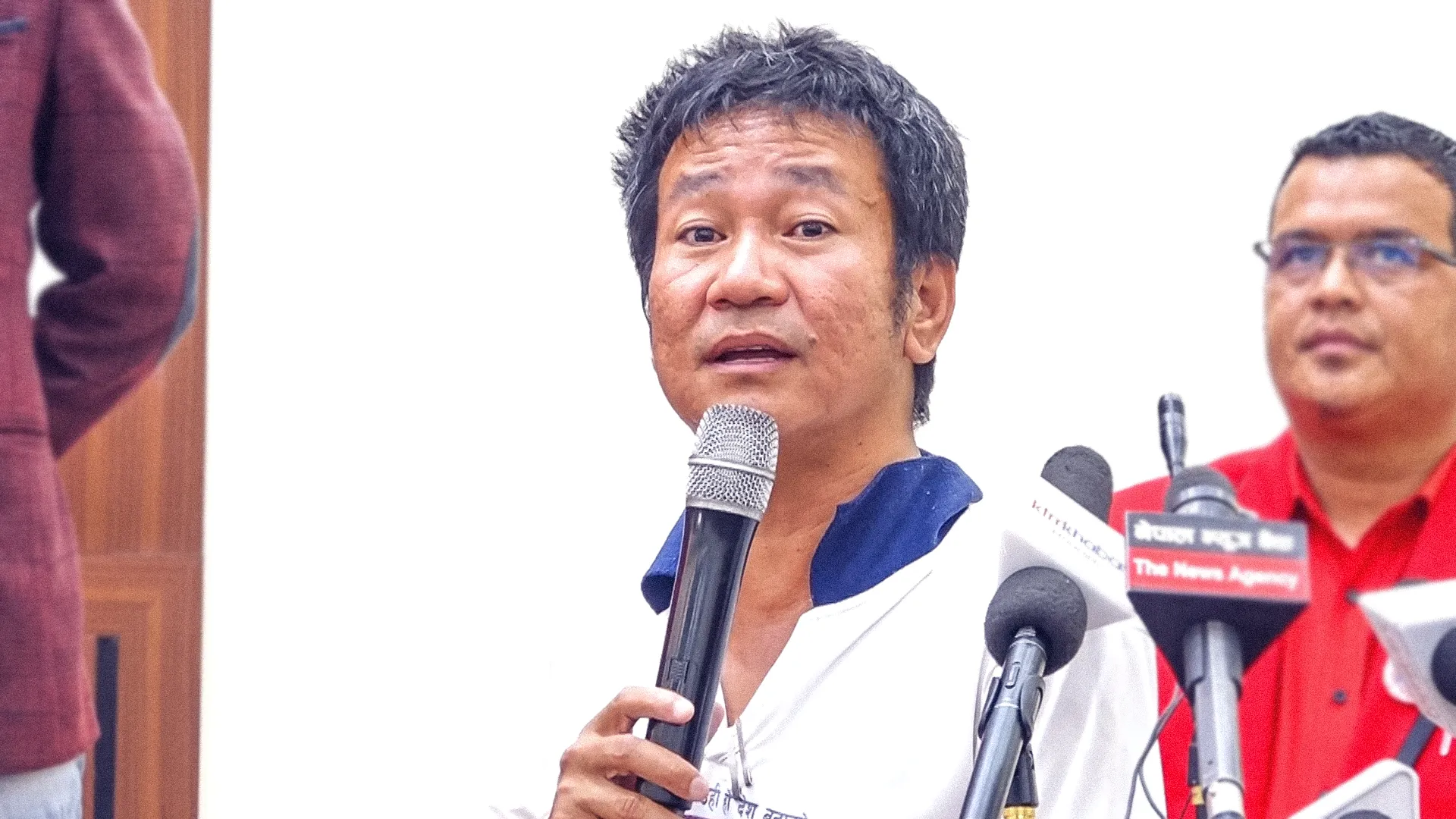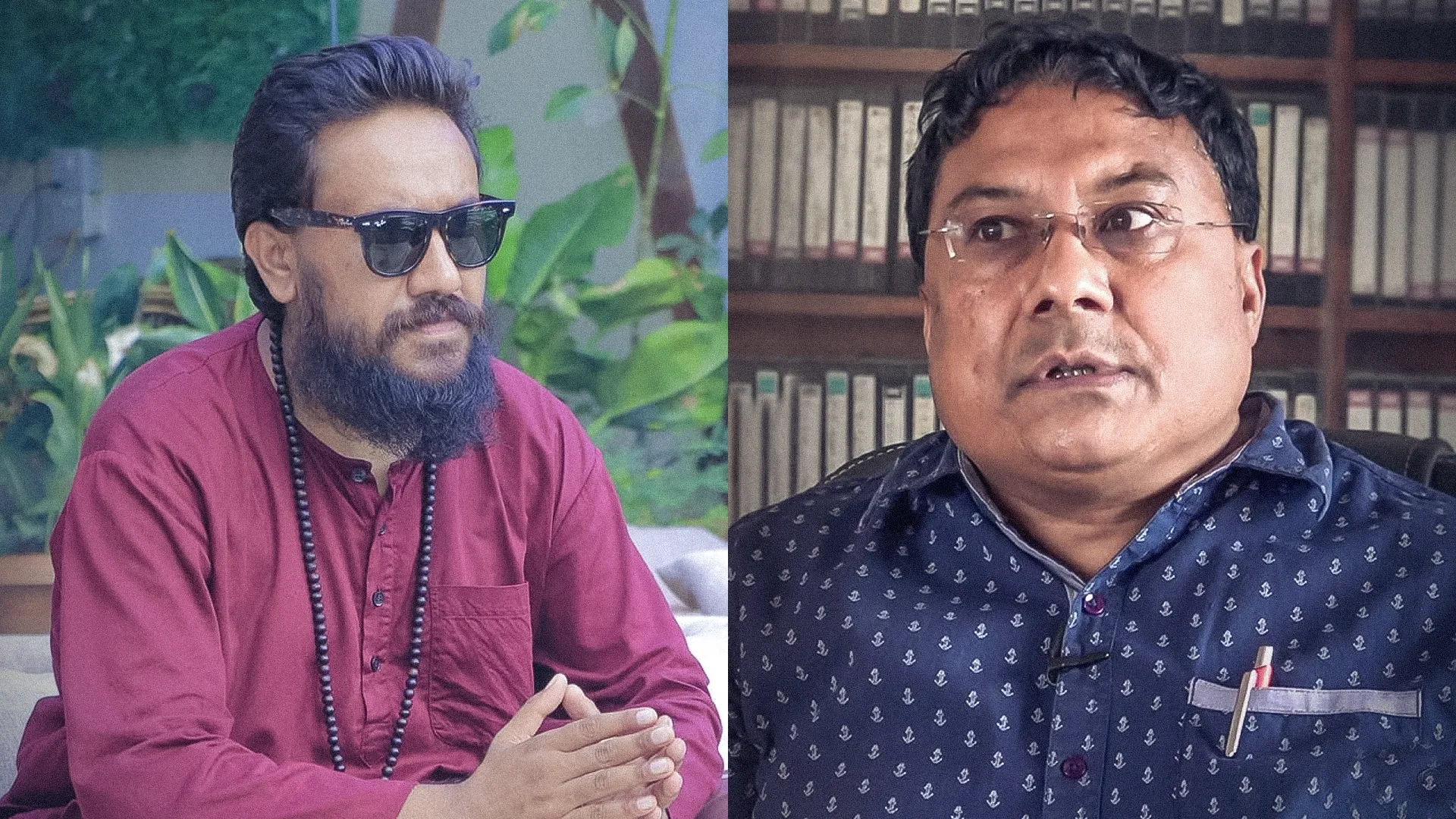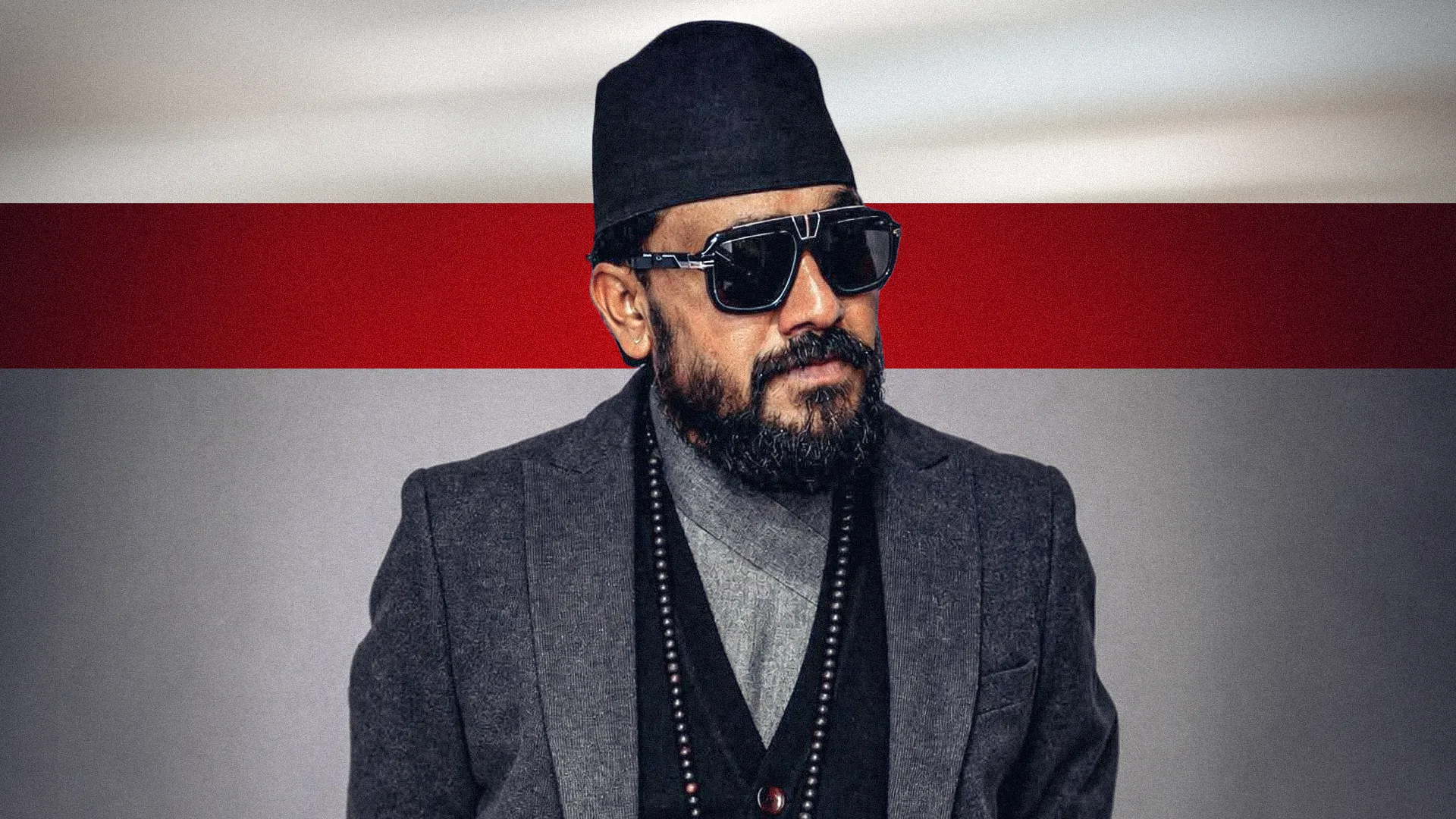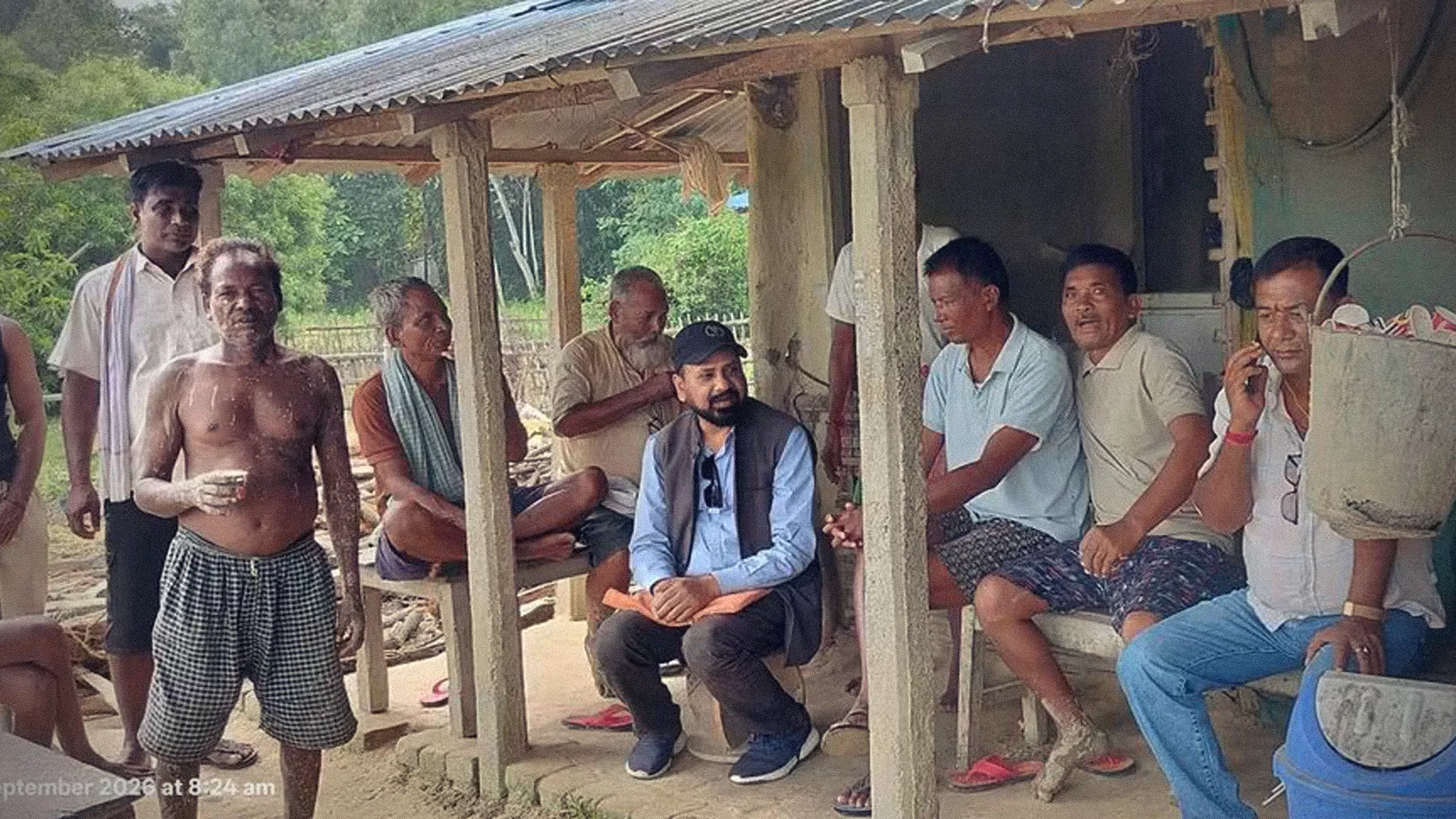



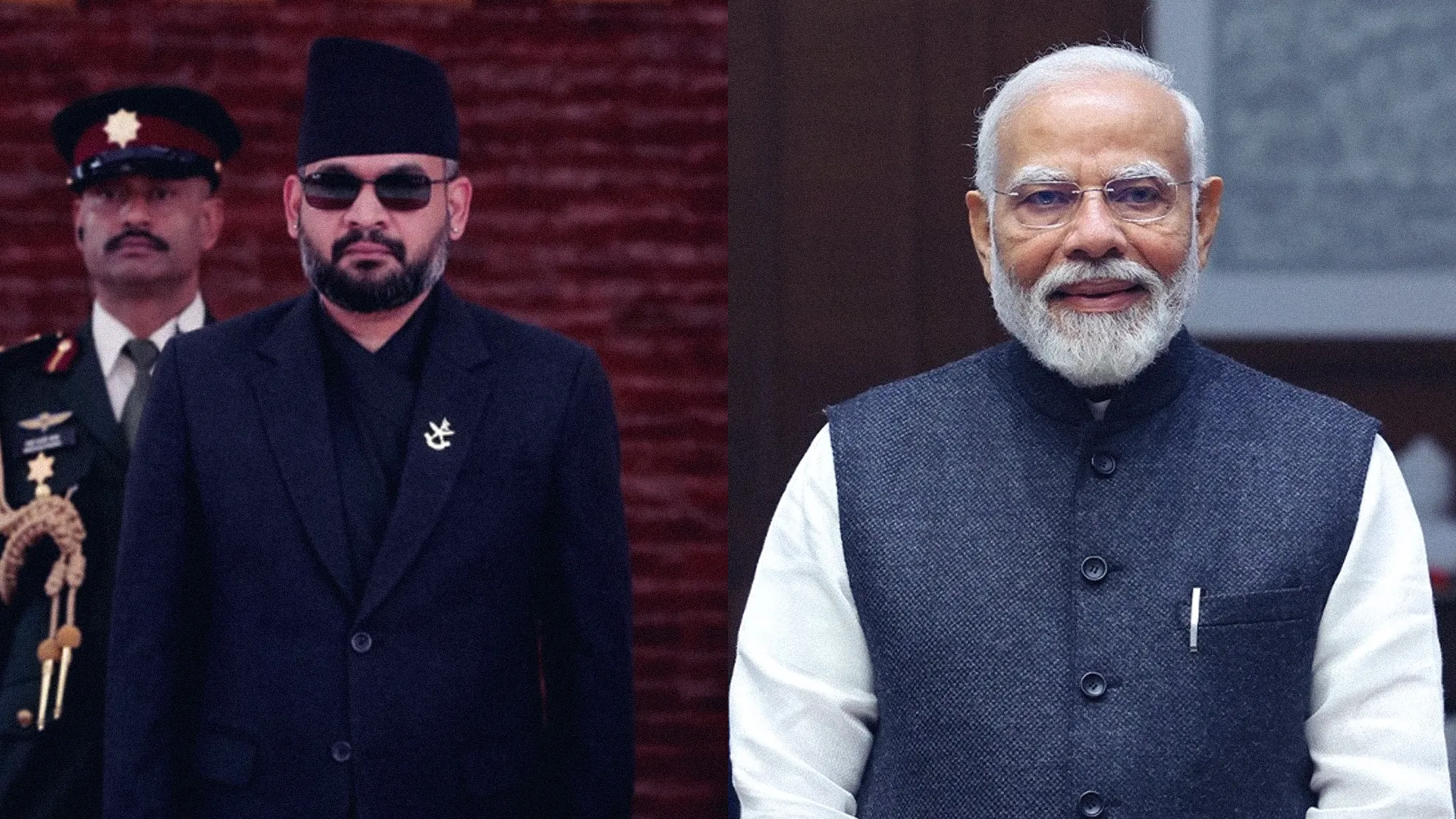
In a significant dual move on the diplomatic and domestic fronts, Nepal’s Prime Minister Balendra "Balen" Shah has formally accepted an invitation from Prime Minister Narendra Modi to visit India. This upcoming visit, currently being coordinated by the respective foreign ministries, will mark Shah’s inaugural major international outreach since assuming leadership. Foreign Minister Shishir Khanal confirmed that preparations are underway for this trip, which follows the last high-level visit by a Nepali premier in mid-2023.
Simultaneously, Prime Minister Shah has introduced a radical 100-point governance framework aimed at dismantling entrenched political influence within the state machinery. At the heart of this reform is a strict 90-day deadline to abolish party-affiliated student organizations in educational institutions. These are to be replaced by non-partisan "Voice of Students" councils, as Shah aims to transform schools and universities into exclusive learning hubs free from political maneuvering.
The reform package also takes a direct shot at "VIP culture" and bureaucratic inefficiency. Key measures include the removal of political portraits from government buildings, a "Zero Pending File" initiative to accelerate public service delivery, and a mandate for government officials to enroll their children in state-run schools. Furthermore, the Prime Minister has proposed streamlining the federal government by reducing the total number of ministries to 17.

Interested in this ad?
Would you like to continue to the link or provide your information for more details?
Please provide your information
To continue, please fill in your details
Beyond administrative tweaks, the agenda carries a strong social and compensatory tone. Shah has pledged jobs for the families of students who lost their lives during the September 2025 protests and has called for the renaming of universities that still bear foreign or colonial titles. This shift is being closely monitored by Gen Z activists, such as Majid Ansari, who emphasize that these reforms must translate into tangible accessibility for ordinary citizens.
As the foreign ministries finalize the New Delhi itinerary, the domestic focus remains on whether these bold proposals can withstand the pressure of established political interests. The success of this 100-point plan could fundamentally redefine the relationship between the Nepali public and the state.