


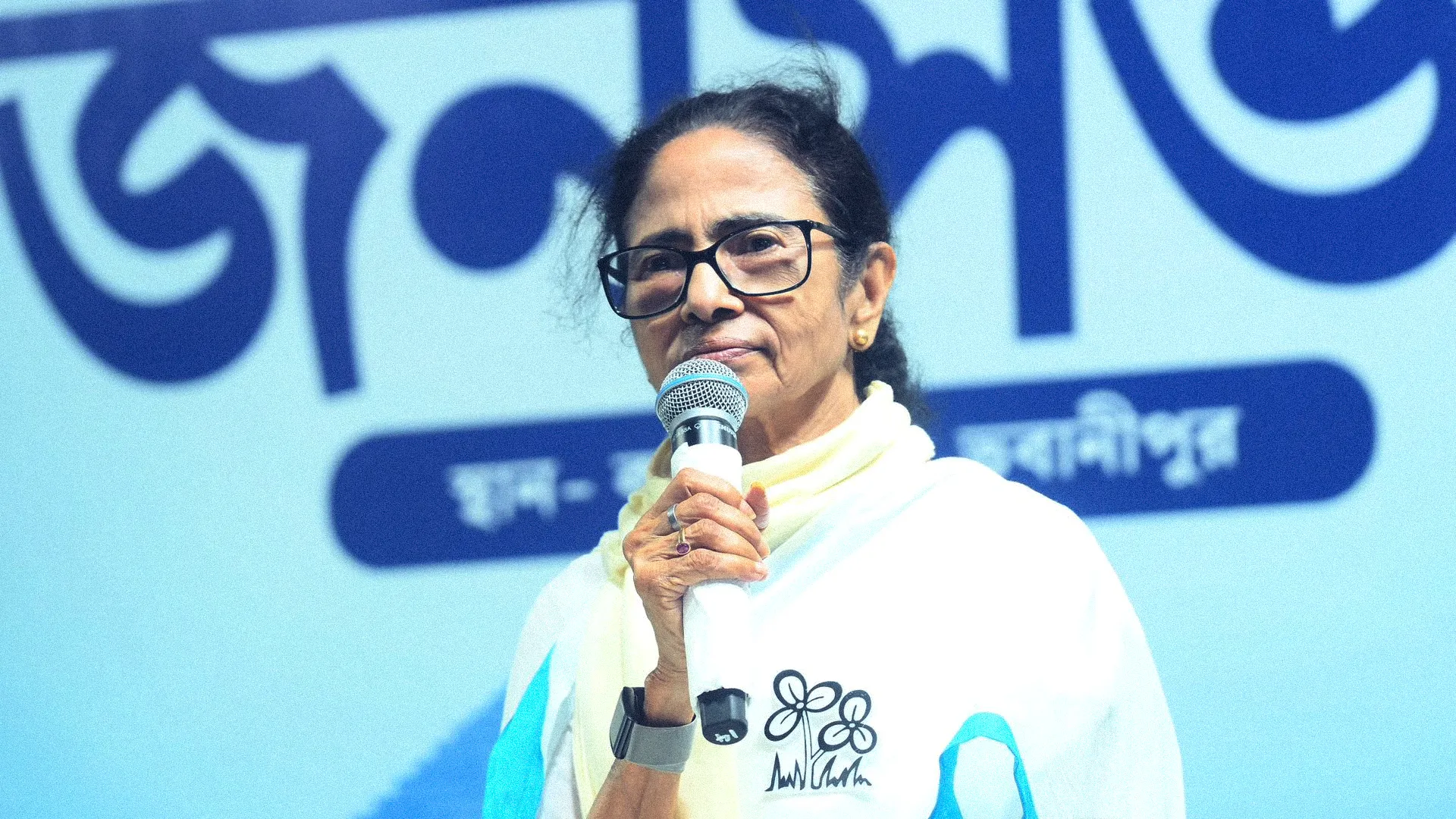
The long-standing administration of Mamata Banerjee is set to conclude in West Bengal, marking a monumental shift in the state's political history. According to the latest coverage from BBC Hindi, the Bharatiya Janata Party (BJP) is positioned to establish a new government. This transition of power carries profound implications, particularly for the Gorkhaland movement and the residents of Darjeeling.
For years, the outgoing government was viewed by many in the hills as a source of systematic suppression. The Nepali-speaking populace often expressed deep-seated grievances over being treated as outsiders within their own ancestral lands. While Banerjee frequently referred to Darjeeling as the "Crown of Bengal," local sentiment often countered this by labeling the state's governance as a "Graveyard for Gorkhas" due to years of political crackdowns and ignored demands.

Interested in this ad?
Would you like to continue to the link or provide your information for more details?
Please provide your information
To continue, please fill in your details
The projected BJP victory has ignited a wave of optimism across the hills. The community now anticipates a shift from suppression to recognition, believing the new leadership will finally address the long-standing demand for a separate state. With the change in power, the dream of Gorkhaland has transitioned from a silenced plea to a renewed focal point of political expectation.