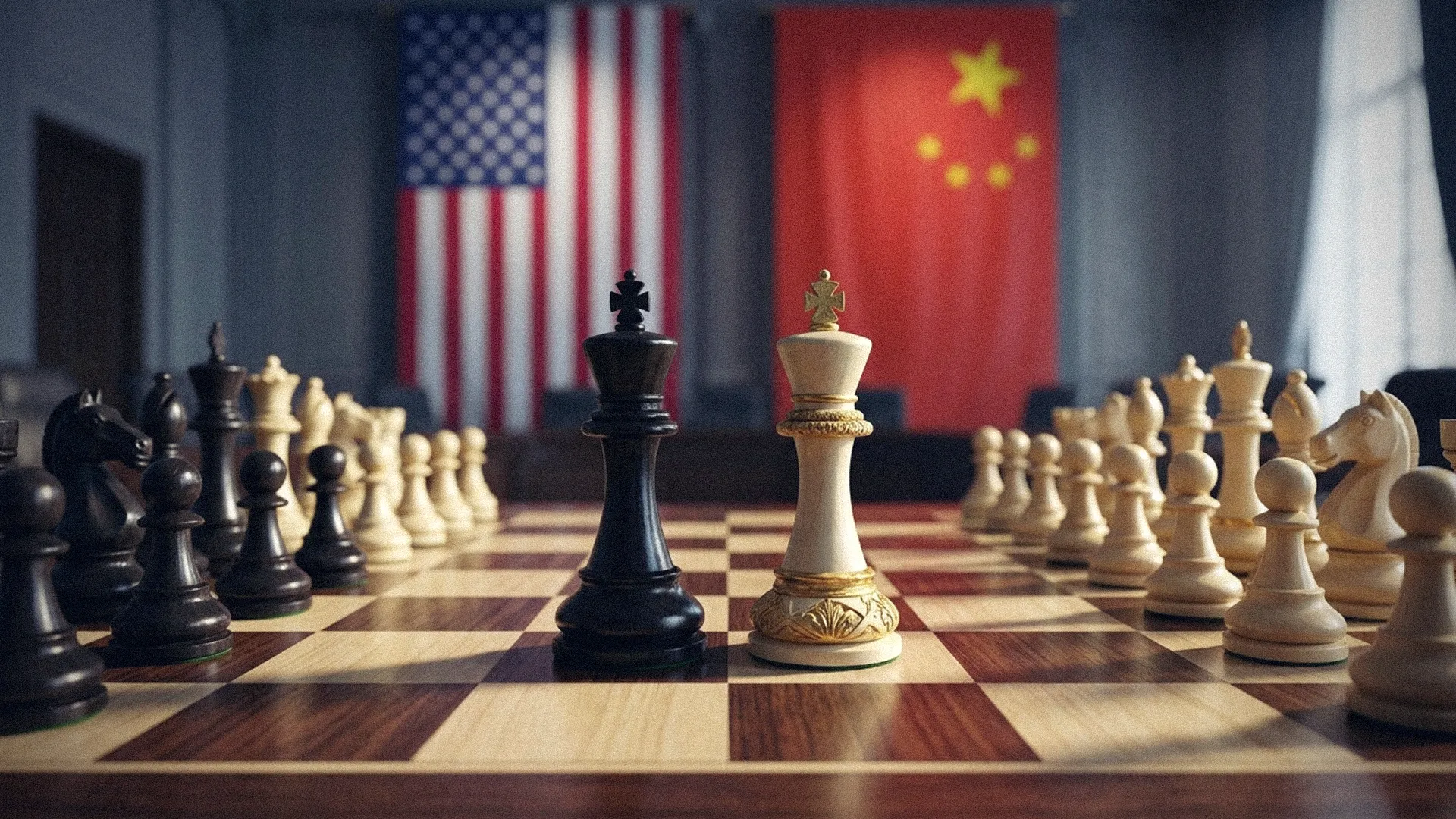



A deepening crisis of trust in the global technology sector has emerged following an official U.S. administrative memo alleging that Chinese firms are engaged in the mass-scale theft of Artificial Intelligence (AI) technology. The document claims that Chinese organizations are utilizing organized strategies to illicitly acquire foreign innovations, shifting the conversation from simple competition to a battle over intellectual property security.
According to the report, these entities have targeted critical assets including advanced AI models, proprietary algorithmic frameworks, complex data sets, and sensitive research findings. The methods reportedly employed range from sophisticated cyber intrusions and industrial espionage to the exploitation of joint venture agreements and academic partnerships. This multi-pronged approach suggests a strategic effort to bypass the traditional timeline of innovation.
Experts emphasize that because AI sits at the crossroads of military, economic, and strategic power, such unauthorized acquisitions threaten to destabilize the global balance of power. By illegally obtaining these technologies, a nation can artificially accelerate its developmental curve while simultaneously undermining the competitive advantages of the original innovators.

Interested in this ad?
Would you like to continue to the link or provide your information for more details?
Please provide your information
To continue, please fill in your details
The American administration views this as a direct challenge to national security and economic stability. The report specifically highlights that the rapid advancements seen in Chinese high-tech sectors appear to be inconsistent with organic innovation, prompting calls for more rigorous international standards in data protection and tech governance.
In response, China has consistently dismissed these allegations, asserting that its progress is the result of internal research and legitimate international cooperation. Beijing maintains that framing their technological growth as "theft" is a politically motivated move by Western rivals.
This friction signals a likely escalation in the tech-cold war between the world’s two largest economies. Analysts predict that the coming years will be defined by fragmented supply chains, tighter data controls, and a fundamental restructuring of digital trade rules as nations move to shield their technological frontiers.