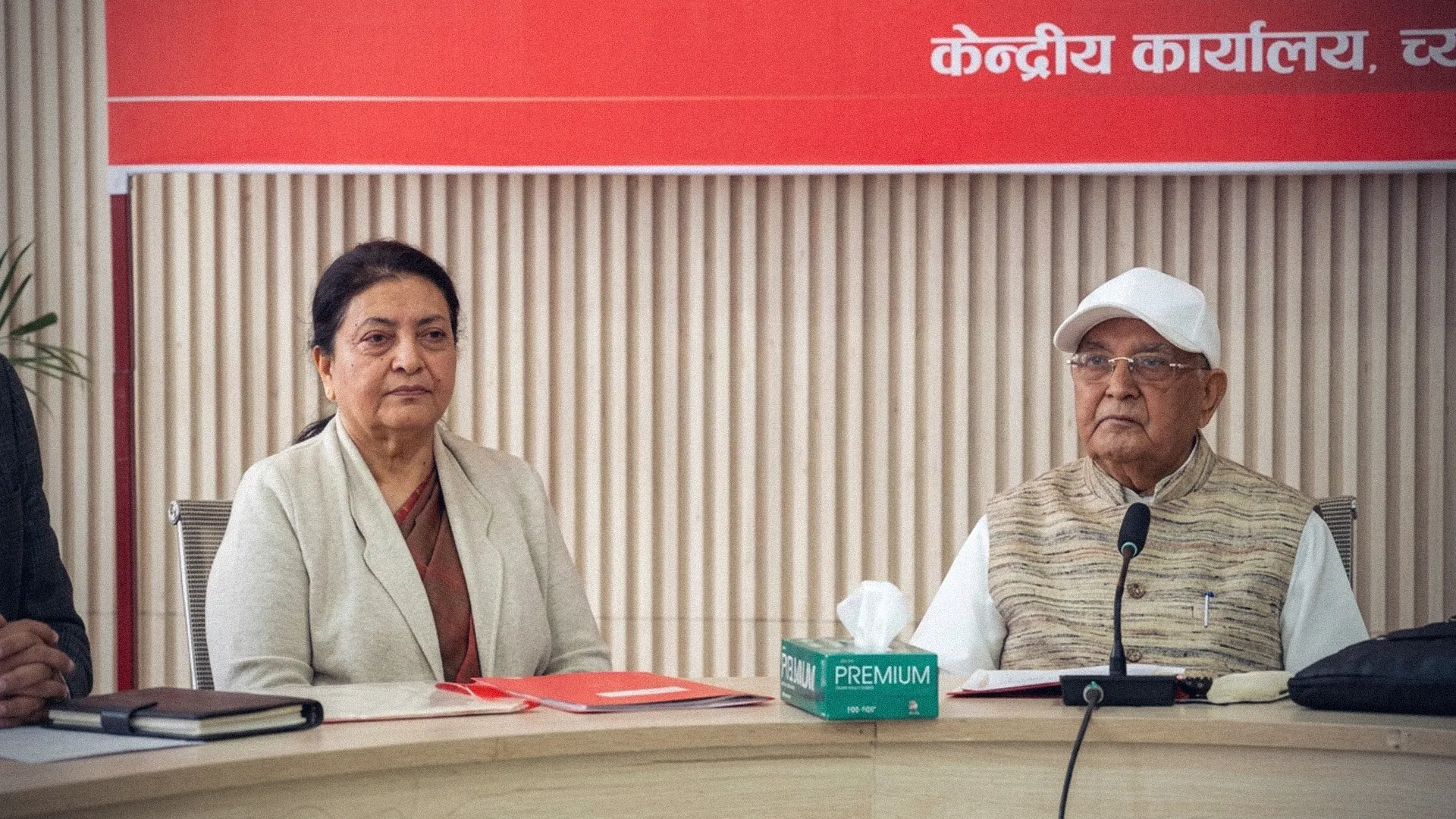



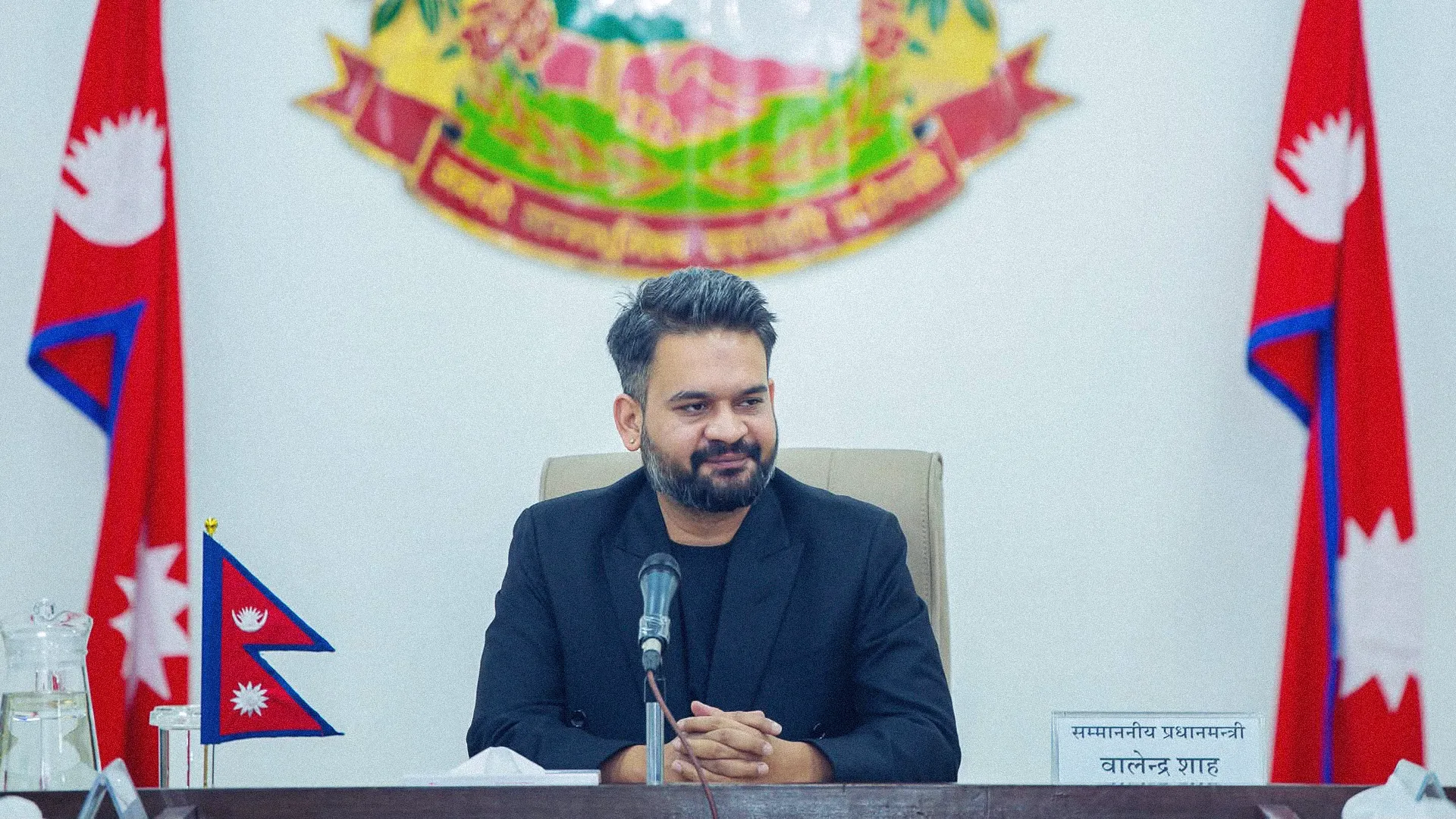
A sweeping administrative transition has gripped Nepal's governance structure following a decisive executive move by the state. President Ram Chandra Paudel, acting on the recommendation of the Council of Ministers, has officially promulgated the 'Special Provisions Related to the Dismissal of Public Officials Ordinance, 2083.' This legal instrument has instantaneously terminated the tenures of 1,594 high-ranking officials across various state-owned entities and regulatory bodies.
The Shah-led administration has framed this mass removal as a necessary intervention for administrative consolidation. According to the government, the objective is to revitalize state machinery and inject new momentum into public institutions that have long been occupied by political appointees from previous tenures.
The impact is most visible in the communication and aviation sectors. Key leadership roles, including chairpersons and general managers at Nepal Airlines Corporation, Rastriya Samachar Samiti (RSS), and Gorkhapatra Corporation, have been vacated. Regulatory oversight bodies like the Press Council, Nepal Telecommunications Authority, and the Civil Aviation Authority of Nepal (CAAN) are also facing a total leadership vacuum following the decree.

Interested in this ad?
Would you like to continue to the link or provide your information for more details?
Please provide your information
To continue, please fill in your details
The education sector has witnessed a near-total clearing of its executive ranks. Significant dismissals occurred within the University Grants Commission and nearly every major university, including Tribhuvan University (84 officials), Kathmandu University, and Pokhara University. Academic service commissions and technical education councils (CTEVT) have seen dozens of officials unseated, effectively halting current administrative cycles in higher education.
The health and infrastructure sectors have not been spared. From the Nepal Medical Council and the Health Insurance Board to major healthcare hubs like BP Koirala Institute of Health Sciences and the Sahid Gangalal National Heart Center, top-tier management has been removed. Similarly, infrastructure giants like the Nepal Electricity Authority and the Kathmandu Valley Development Authority have seen their boards dissolved.
This legislative earthquake extends to cultural academies, agricultural boards, and financial regulators. As nearly 1,600 chairs across the nation sit empty, the government is reportedly preparing to initiate a fresh recruitment process. This transition marks one of the most significant bureaucratic resets in Nepal's recent history, the long-term effects of which will depend on the transparency of the upcoming appointments.