


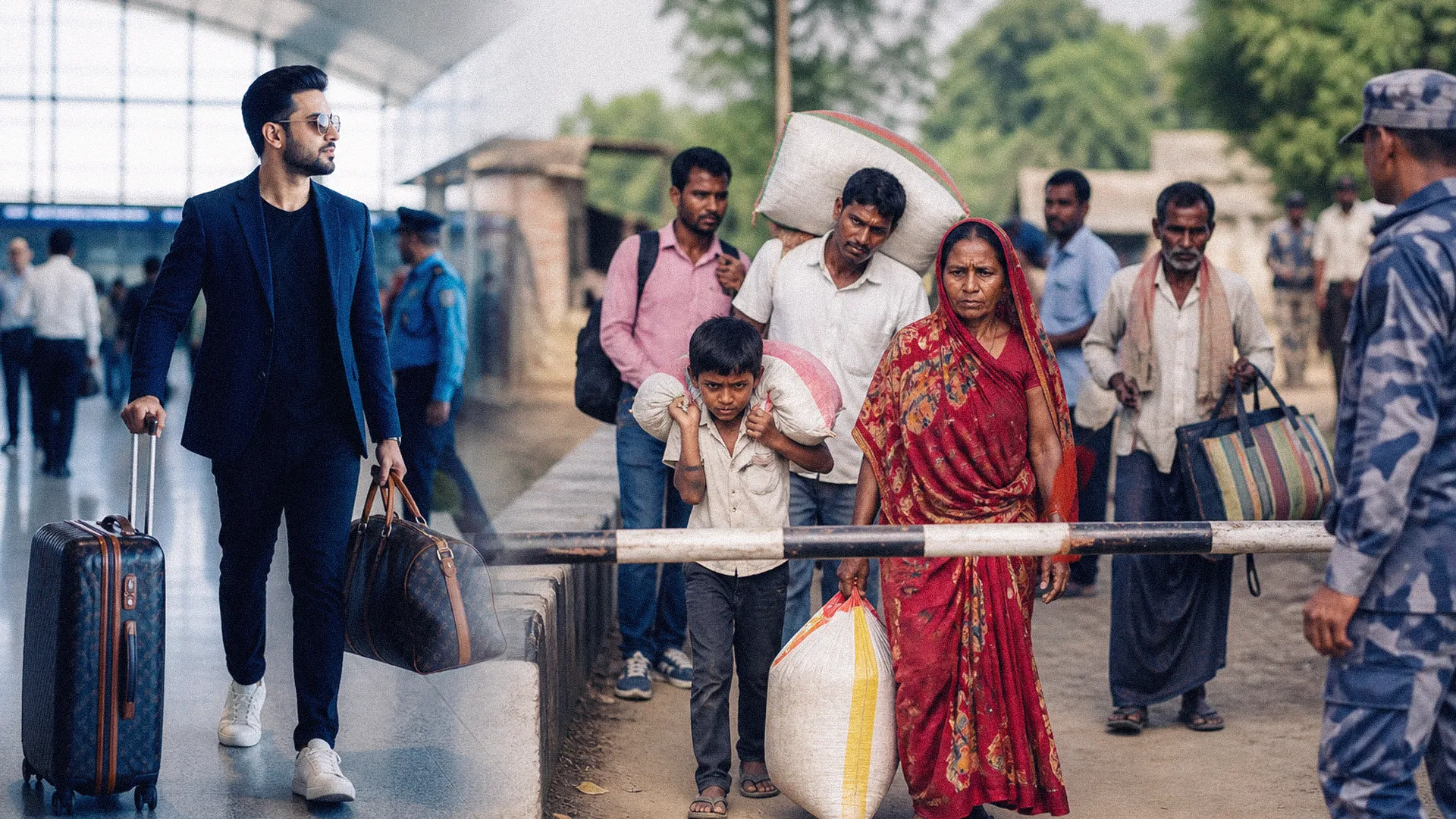
Millions in Exemption for Air Travelers, Rs. 100 Ceiling for Madhesh: Serious Questions Raised Over Balen Government's 'Absurd' Rule
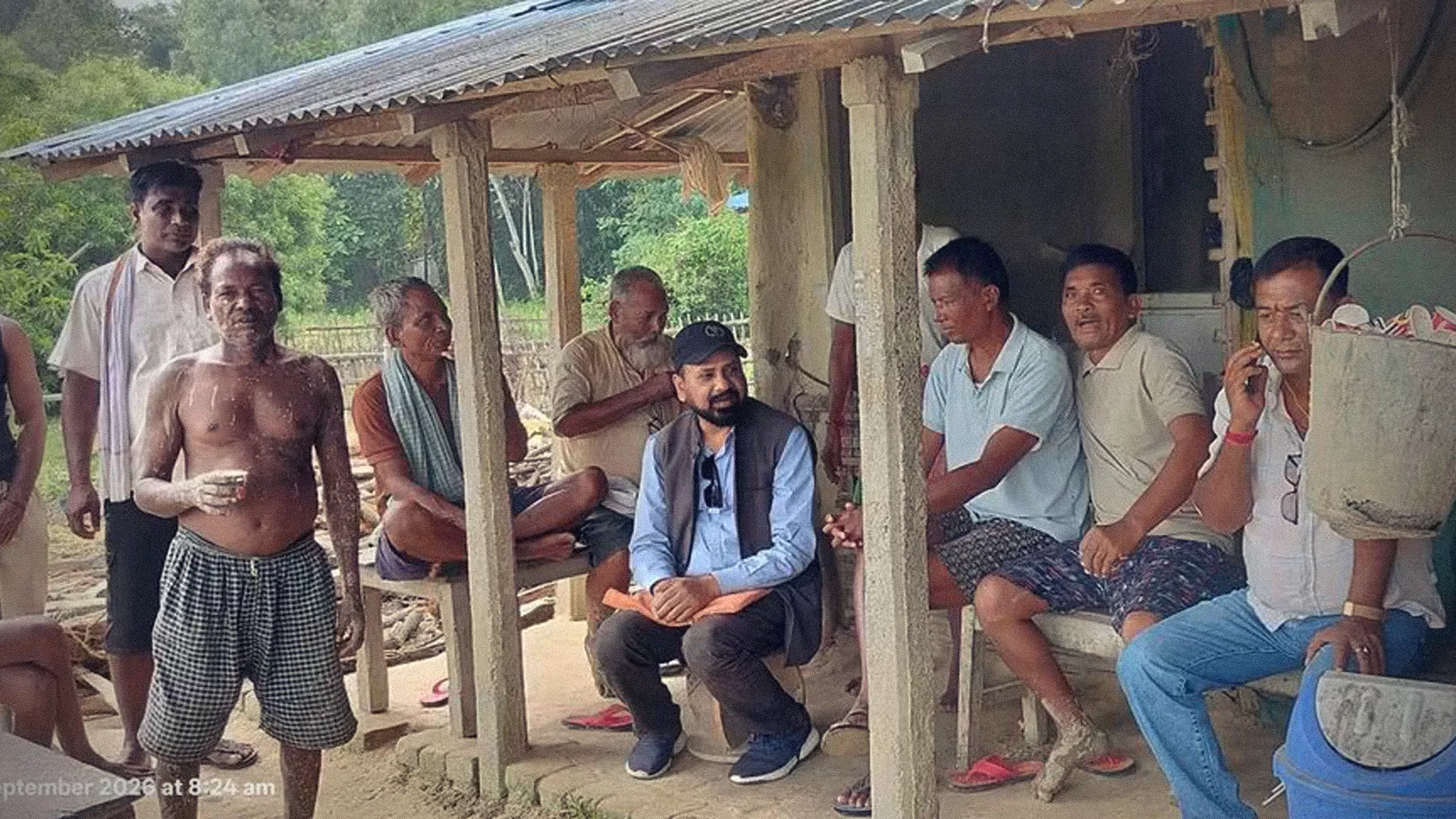
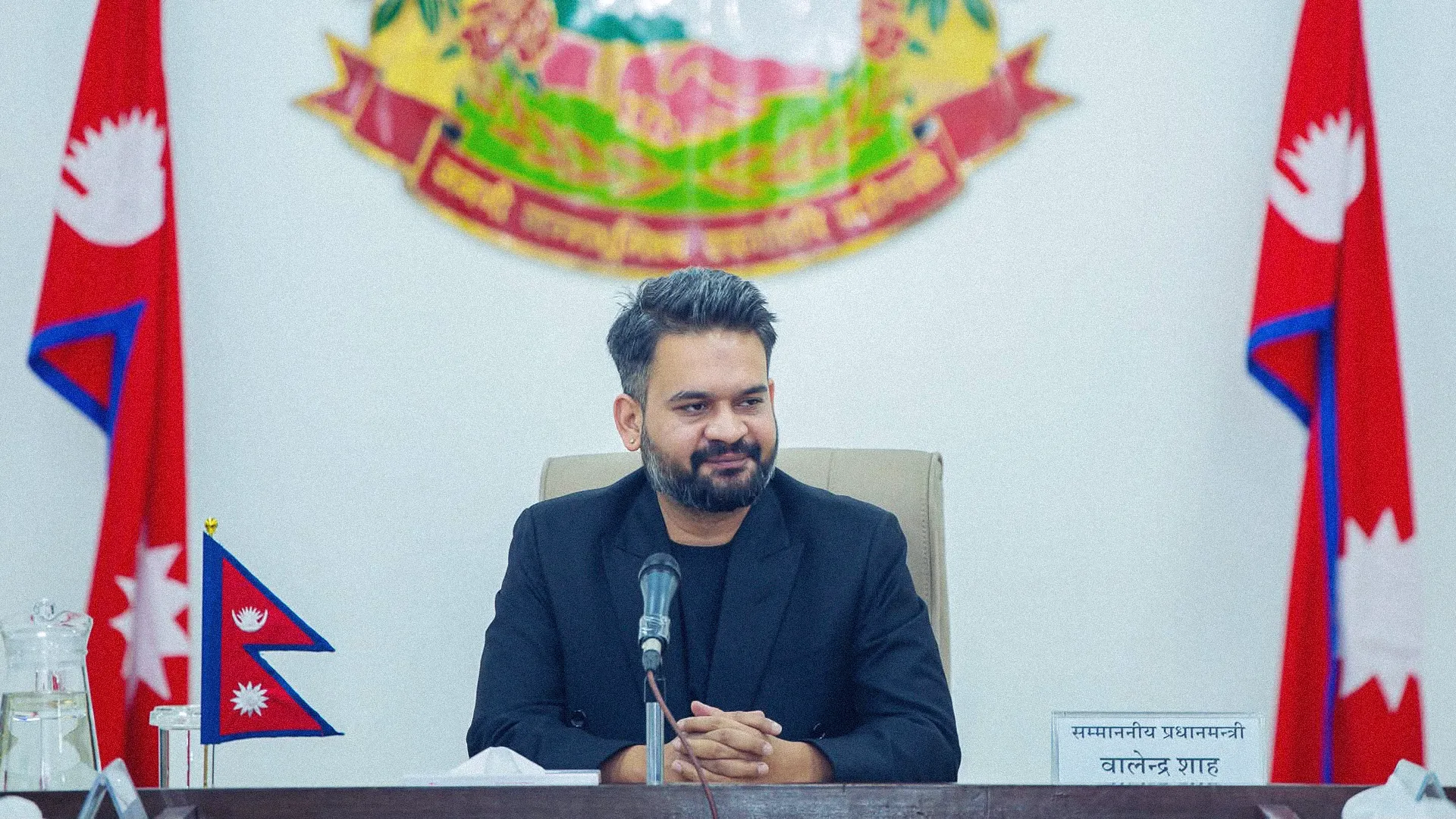
Kathmandu. The government's rule making customs duty mandatory on goods worth more than Rs. 100 brought across the Nepal-India border appears highly 'absurd' and discriminatory. To bring the current Prime Minister Balendra Shah (Balen) to power, the people of Madhesh, residing along the Nepal-India border, had cast a significant number of votes. However, the Rs. 100 customs ceiling introduced by the Balen government, which directly and negatively impacts the daily lives of these marginalized people, has now sparked fierce public dissatisfaction.
Madhesh's Vote, Balen's Blow In Madhesh, the border is right at the people's doorsteps. Crossing over to bring daily consumer goods (salt, oil, rice) is both a compulsion and a lifestyle for the people there. In a Kathmandu supermarket, you cannot even buy a good chocolate for Rs. 100, nor does it buy an 'Americano' at a coffee shop. Yet, by setting this exact Rs. 100 as the customs threshold, the Balen government has struck a blow to the kitchens of the poor people of Madhesh.
Favoritism for Air Travelers, Marginalization for Madhesis! Just how impractical this Rs. 100 ceiling is becomes blatantly clear when compared to the customs exemptions granted to air travelers arriving via Tribhuvan International Airport. According to the Customs Department's own rules, a single air traveler can bring in goods worth millions to crores without paying any customs duty:
-
Expensive Liquor: 1 liter of foreign whisky or liquor. (Branded whisky can cost millions of rupees).
-
Gold Jewelry: Up to 50 grams for women and 25 grams for men (worth millions).
-
Electronics: A television up to 32 inches, one latest smartphone, a laptop or tablet, and a camera.
-
Luxury Goods & Food: Luxury bags worth millions, smartwatches, and up to 7 kg of food items.

Interested in this ad?
Would you like to continue to the link or provide your information for more details?
Please provide your information
To continue, please fill in your details
With just a little cleverness, air travelers can legally pass goods worth crores through the 'Green Channel' without paying a single penny in customs. On one hand, privileged air travelers are given exemptions worth millions, while on the other hand, the helpless poor bringing 2 kg of sugar and a sack of rice through Madhesh checkpoints are harassed with the Rs. 100 rule. The angry question from the public is—"Is it fair to show favoritism to air travelers while marginalizing Madhesis? Answer us, Government!"
Exemption at the Northern Border, 'Non-Citizen' Treatment at the Southern Border Not only this, but the government's double standards at Nepal's northern (China) and southern (India) borders have been exposed. In Himalayan districts bordering China like Humla and Mustang, the Chinese government openly distributes goods worth crores for free. The central government does not even have an exact figure or estimate of the goods distributed there, and there are no customs hassles.
Witnessing two different rules in the same country, residents of the southern border have started asking—"Are only the people at the Nepal-China border citizens of this country? And are the Madhesis non-citizens?"
There are now widespread demands to immediately scrap this impractical Rs. 100 customs ceiling, which makes it difficult for the poor to even light their stoves and clearly exhibits blatant class discrimination.