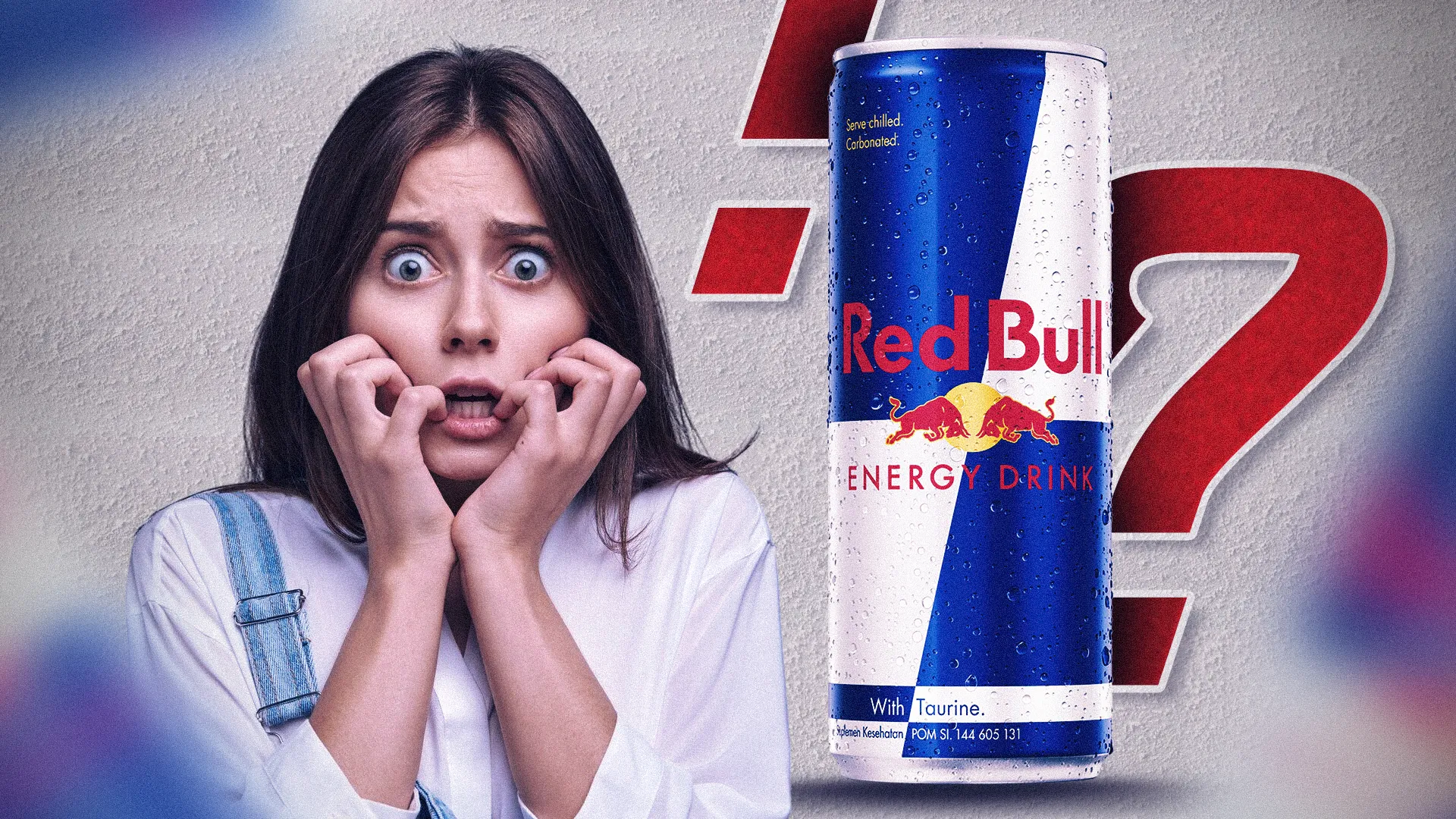


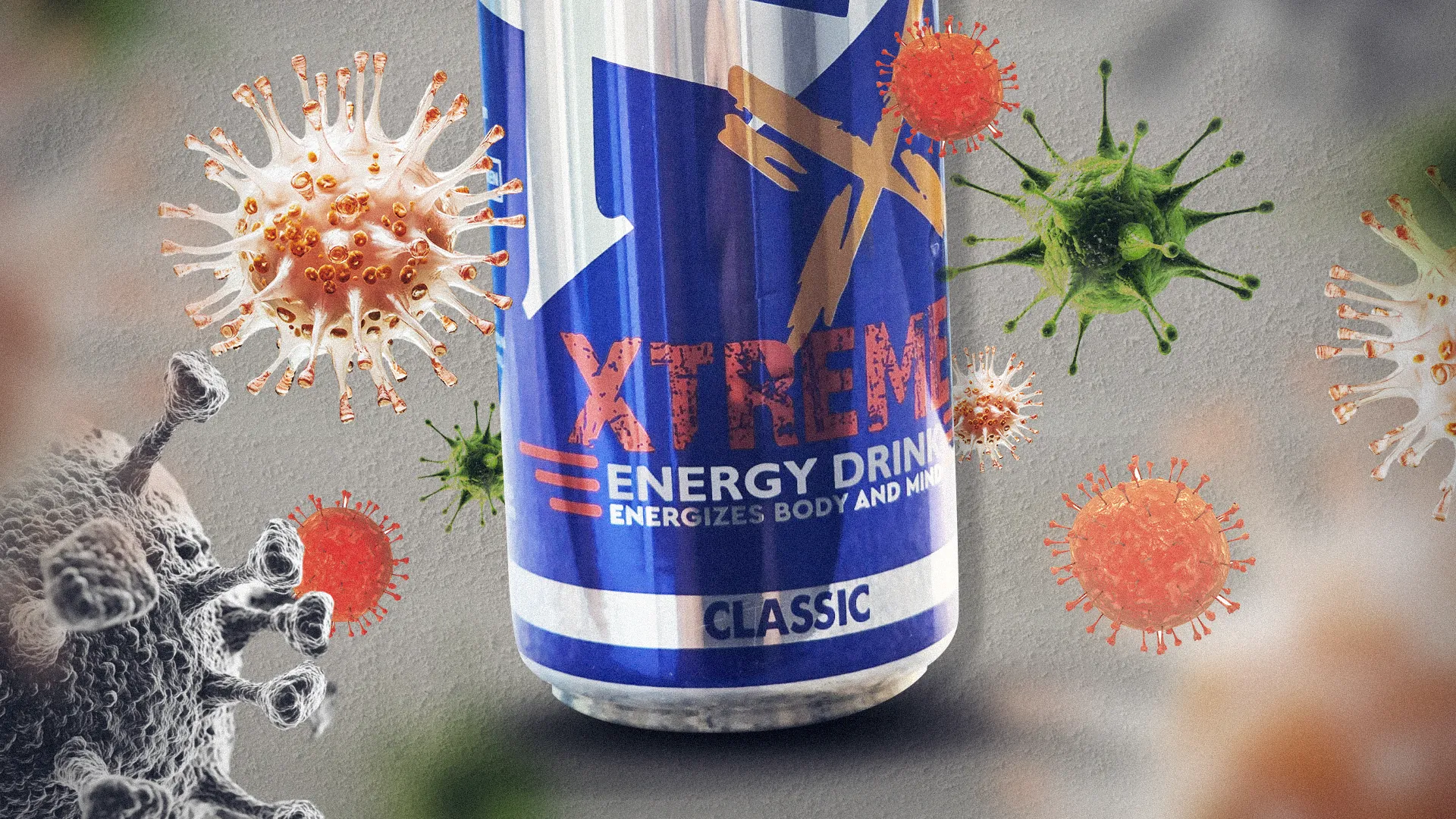
The rapid and pervasive expansion of "Xtreme Energy Drink" across Nepali markets has triggered intense scrutiny from health professionals and consumer rights advocates regarding its safety profile and predatory marketing strategies. Manufactured by Agro Thai Foods Pvt. Ltd. based in Lalitpur, the 330 ml beverage is being aggressively promoted as a "game changer" capable of revitalizing the body and mind. Its omnipresent advertisements stretch across public transportation, highway billboards, neighborhood grocery stores, and digital platforms, sparking a national conversation about the unregulated availability of such products to minors.
Medical practitioners have expressed grave concern over the beverage's formulation, which contains 30 mg of caffeine per 100 ml, totaling approximately 99 mg per can alongside taurine, glucuronolactone, inositol, and various chemical preservatives. Dr. Manish Yadav from The Himalayan Health warned that these chemical stimulants pose severe behavioral and neurological risks, particularly for developing brains. According to Dr. Yadav, regular consumption by individuals under 18—especially children under 13—can trigger chronic anxiety, sleep disorders, heightened irritability, behavioral aggression, poor concentration, tremors, and potentially dangerous disruptions in heart rhythms or long-term chemical dependency.
While the manufacturer includes disclaimers noting the product is unsuitable for children, pregnant or lactating women, and individuals with diabetes, enforcement mechanisms at the point of sale remain entirely absent. Madhav Timalsina, President of the Consumer Research Forum, highlighted that despite national directives theoretically restricting sales to caffeine-free energy drinks, dangerous beverages are being distributed openly. Timalsina condemned the company's recent 2026 World Cup promotional campaign, which promises solid gold balls via QR code scans, labeling it a deceptive and hazardous ploy designed to entice young consumers at the expense of public health.

Interested in this ad?
Would you like to continue to the link or provide your information for more details?
Please provide your information
To continue, please fill in your details
The controversy is further compounded by regulatory paralysis and structural deficits within governing bodies. Dr. Bal Kumari Sharma, spokesperson for the Department of Food Technology and Quality Control, admitted that Nepal completely lacks domestic quality standards for energy drinks, forcing the agency to rely loosely on international benchmarks when granting basic food licenses. Concurrently, Devi Pandey, Chief Executive Officer of the Advertising Board, revealed that the manufacturer has completely bypassed official channels for advertisement screening and certification. As public complaints continue to mount without official response, the unchecked proliferation of these drinks underscores a critical gap in market surveillance, leaving the health of young citizens dependent on immediate regulatory intervention.