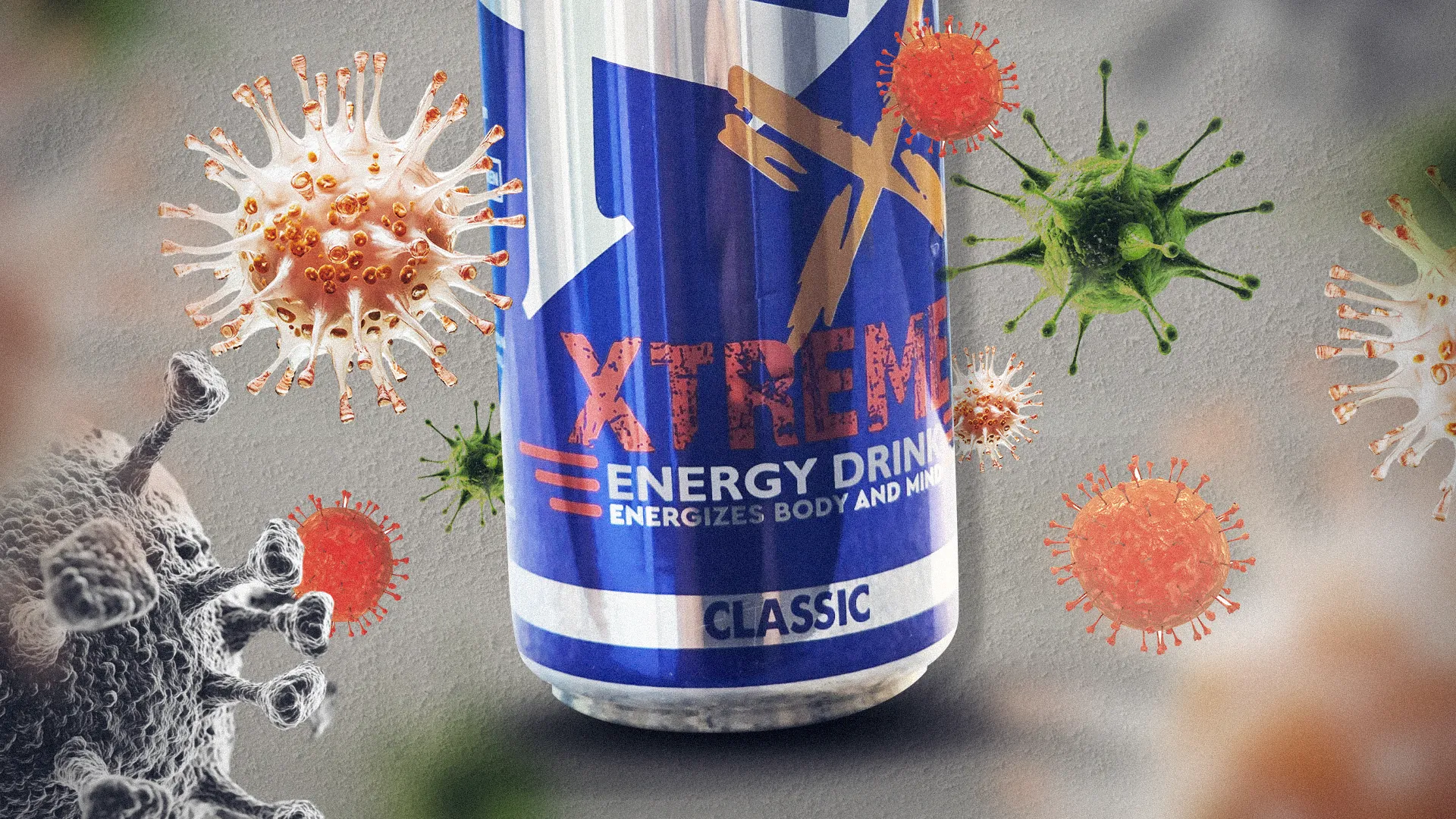
KATHMANDU — Whether it is a video appearing while scrolling through social media or large hoarding boards on the streets, a television screen or a Facebook wall—nowadays, a single brand is visible in abundance everywhere, 'xTreme' Energy Drink. From major sports tournaments like the Nepal Premier League to every youth trend, the advertisement of this drink has been 'spiked' (Tension/Spike) in such a way, just as the sugar level spikes in the body upon consuming this drink.
Looking at the advertisements, it feels as if instead of the staple Nepali food 'Dal Bhat Tarkari', one now needs to consume this drink! This drink, which should be consumed with strict caution only as an exception during extreme emergencies or intense fatigue, has been marketed more than necessary. This has created a massive misconception among the general public that this drink is a 'daily health beverage'.
However, the reality and its nutritional value are completely different, horrifying, and scary compared to the glamour of the advertisement. We think that we are merely drinking a refreshing drink, but in reality, we are introducing "slow poison" into our own kitchens.
Nutritional Value: What is inside a can of 'Xtreme'?
Let us weigh and look at the nutritional elements mentioned by the manufacturing company itself in a 330 ml can:
Net Content: 330 ml Energy: 165 kilocalories (kcal) Caffeine Content: 30 mg per 100 ml. That is, one can (330 ml) contains 99 mg of caffeine. Sugar Content: Although the company has not explicitly mentioned the grams on the can, the main source of the 165 calories is the 'glucose-fructose syrup', 'dextrose', and 'sugar' used in it. Generally, such energy drinks contain 11 to 12 grams of sugar per 100 ml. By this calculation, approximately 36 to 40 grams of sugar is hidden in this 330 ml can.
Comparison in Understandable Language: The Game of Grams and ML
Let us compare the amount of sugar and caffeine in this drink with our daily diet:
-
Comparison of Sugar (Equivalent to 8.5 teaspoons of sugar) The approximately 38 grams of sugar in one can of Xtreme is equivalent to 8.5 (eight and a half) small teaspoons of white sugar that we use while drinking tea at home. According to the World Health Organization (WHO), a healthy adult should not consume more than 25 grams of added sugar throughout the day. This means that this single can of drink exceeds your daily safe limit by one and a half times.
-
Comparison of Caffeine (Equivalent to 1.5 shots of Americano coffee) The 99 mg of caffeine in this is equivalent to drinking 1.5 (one and a half) strong shots of Americano coffee found in coffee shops. Coffee is slowly sipped hot and digested, but since this drink is cold, people pour 99 mg of caffeine and eight and a half teaspoons of sugar into their bodies all at once within a few minutes, giving an immediate shock to health.
An 'Addiction' More Dangerous Than Alcohol and Tobacco Products
We consider alcohol and cigarettes as 'drugs' or 'toxic' in society and keep our children away from them. But energy drinks like 'Xtreme' have already set foot in society as a "legally and socially accepted drug". According to medical science, the process of developing an addiction to this is even faster and more aggressive than that of cigarettes and alcohol:
The Dopamine Trap: The 'deadly combination' of excessive sugar and synthetic caffeine in this drink brings a flood of 'dopamine' (the happy hormone) in the brain. It becomes active in the exact same way as when someone consumes cigarettes (nicotine) or alcohol.
Why is it more fatal than cigarettes and alcohol? To consume alcohol or cigarettes, a person initially faces social fear or hesitation, but 'Xtreme' is openly consumed by everyone from children to youth just to look 'cool'. Due to this, the body gets trapped in its 'caffeine dependency' so quickly that when not consumed, people start showing severe withdrawal symptoms like—unbearable headaches, restlessness, trembling hands, and symptoms of severe depression.
Illusionary Energy: Alcohol intoxicates a person, but this puts the heart and nervous system into an 'artificial' overdrive. This is like whipping a tired horse to make it run instead of giving it rest. Ultimately, this addiction permanently destroys the body's natural capacity to produce energy.

Interested in this ad?
Would you like to continue to the link or provide your information for more details?
Please provide your information
To continue, please fill in your details
List of Serious Health Impacts and Fatal Diseases
Although 'Experience the perfect balance of taste and health' is written on the back of the can, this is merely a commercial slogan. It cannot be consumed regularly at all. It rots the organs of the human body from within and causes the following life-threatening diseases:
Diabetes: Due to excessive sugar level spikes, it causes 'insulin resistance', becoming a primary cause of Type-2 diabetes.
High Blood Pressure: 99 mg of synthetic caffeine suddenly increases the heart rate and constricts blood vessels, increasing pressure.
Heart Disease (Cardiovascular Diseases): Regular consumption leads to irregular heart rhythms (Arrhythmia) and poses risks up to sudden cardiac arrest or heart attack.
Obesity: 165 empty calories and carbohydrates accumulate fat in the liver (Fatty Liver) and increase weight uncontrollably.
Risk of Cancer: Various studies have shown that long-term consumption of artificial colors (E150d and E104) and preservatives (E211, E202) used in it can disrupt digestion and increase the risk of intestinal, stomach, and gastric cancer.
Insomnia & Anxiety: Since excessive caffeine stimulates the nervous system, it causes severe mental problems such as fear, panic attacks, anxiety, and sleeplessness at night.
Kidney Damage and Stones: The acid and sugar in it overwork the kidneys, cause dehydration, leading to stones and eventually kidney failure over time.
Tooth Decay: The combination of excessive acid and sugar destroys tooth enamel.
Equivalent to 'Poison' for Children and Pregnant Women
A warning is written in small letters at the bottom of the can, but this is never mentioned in the advertisements. Children, pregnant, and breastfeeding women cannot consume this drink even in small amounts; it is equivalent to 'poison' for them. While the delicate brain and heart of children are developing, such harsh synthetic caffeine disrupts their mental balance and can cause heart failure. Similarly, when a pregnant woman consumes this, the chemical liquid directly reaches the blood of the fetus, which can lead to horrifying situations like miscarriage, death of the baby inside the womb, low birth weight, or the birth of a disabled child.
Let’s Be Aware
Xtreme or other similar energy drinks are not nutritious juices or health-enhancing beverages. It is merely a fatal mixture of chemicals, sugar, and caffeine that makes your body run 'artificially' for a while and pushes it from within toward the mouth of death. Let us not trap ourselves and our children under the illusion of advertisements in this sweet addiction that is more dangerous than cigarettes and alcohol. Dal-Bhat, natural fruit juice, and water are the real sources of energy, not chemical drinks.