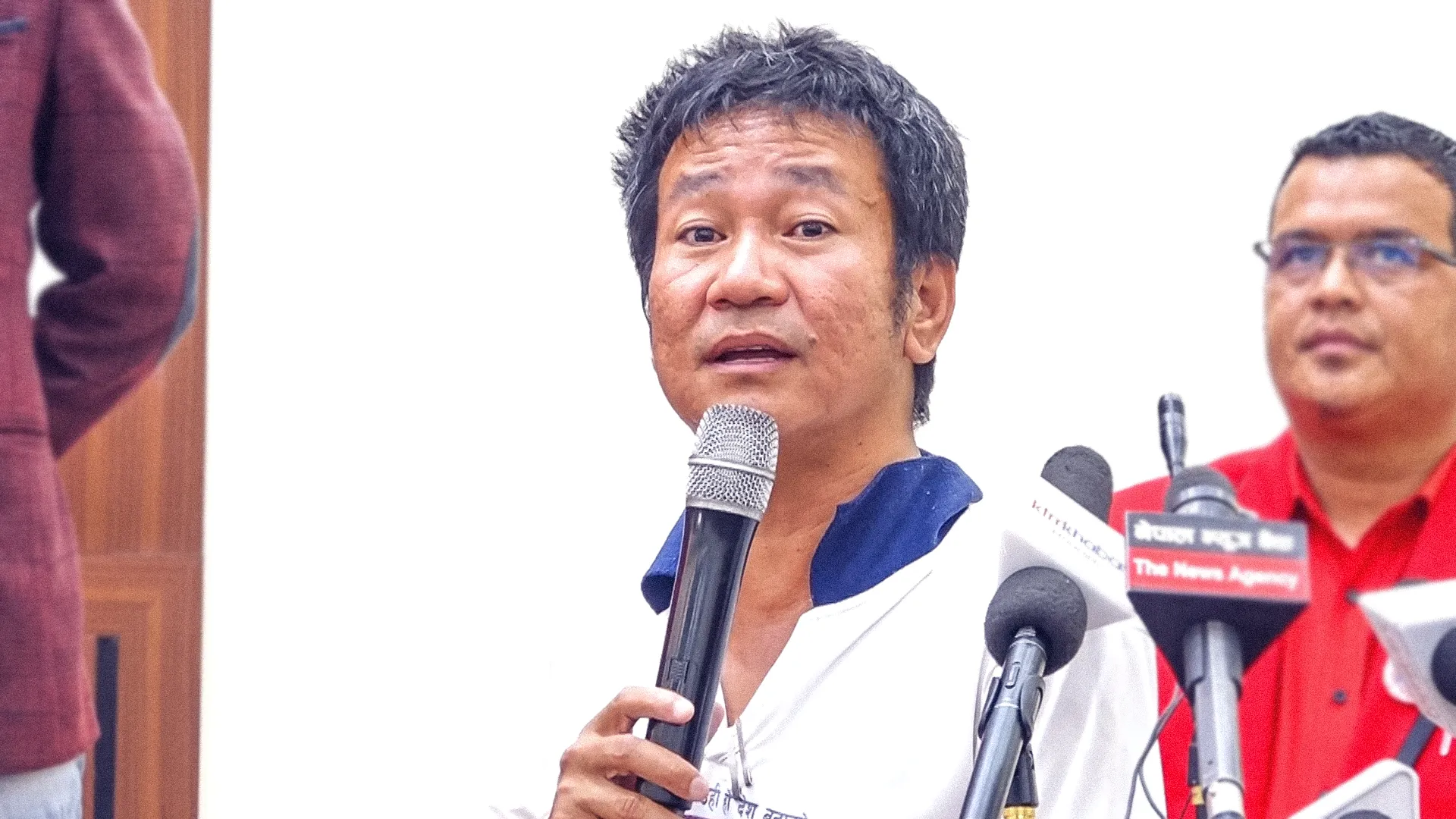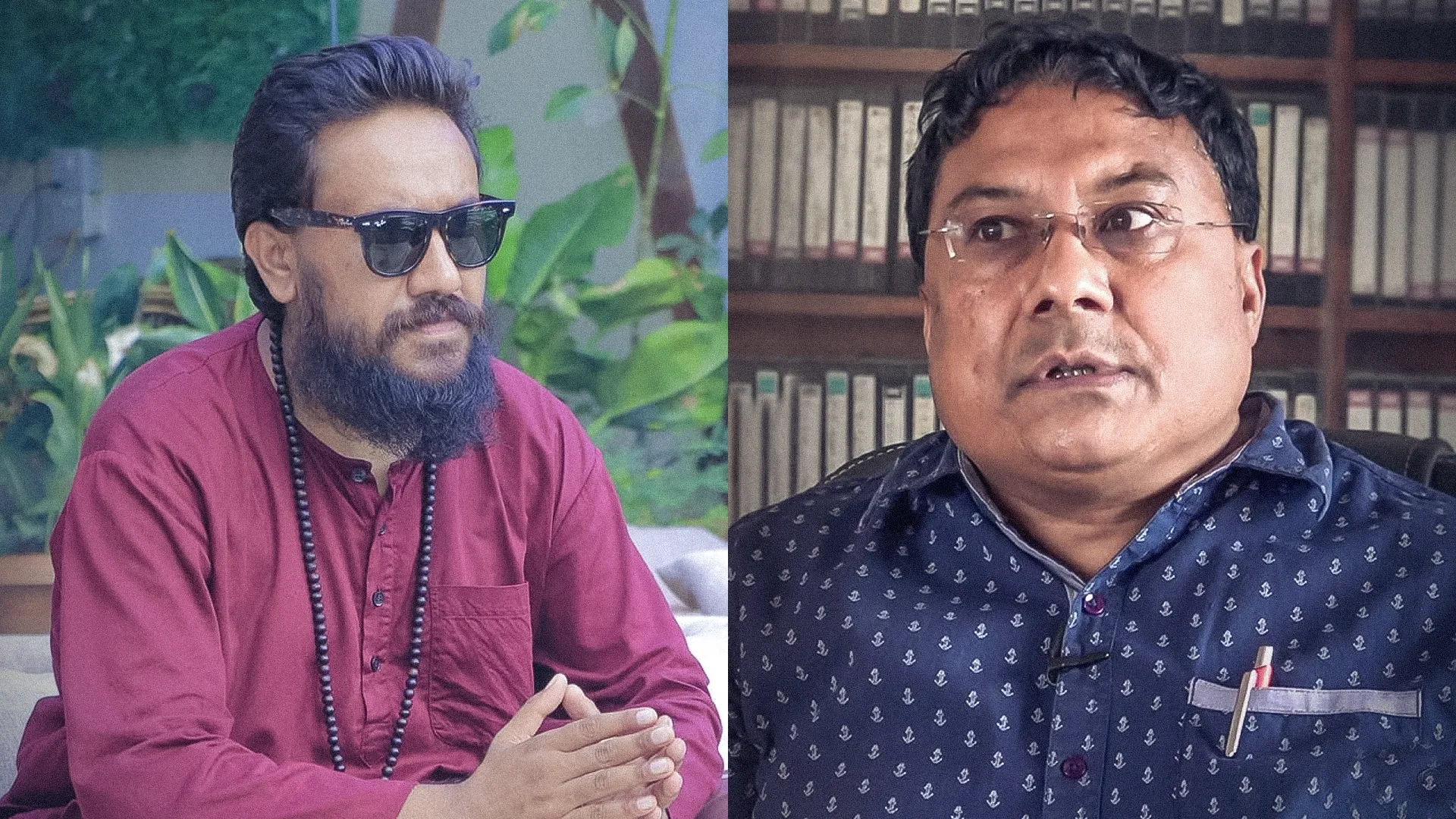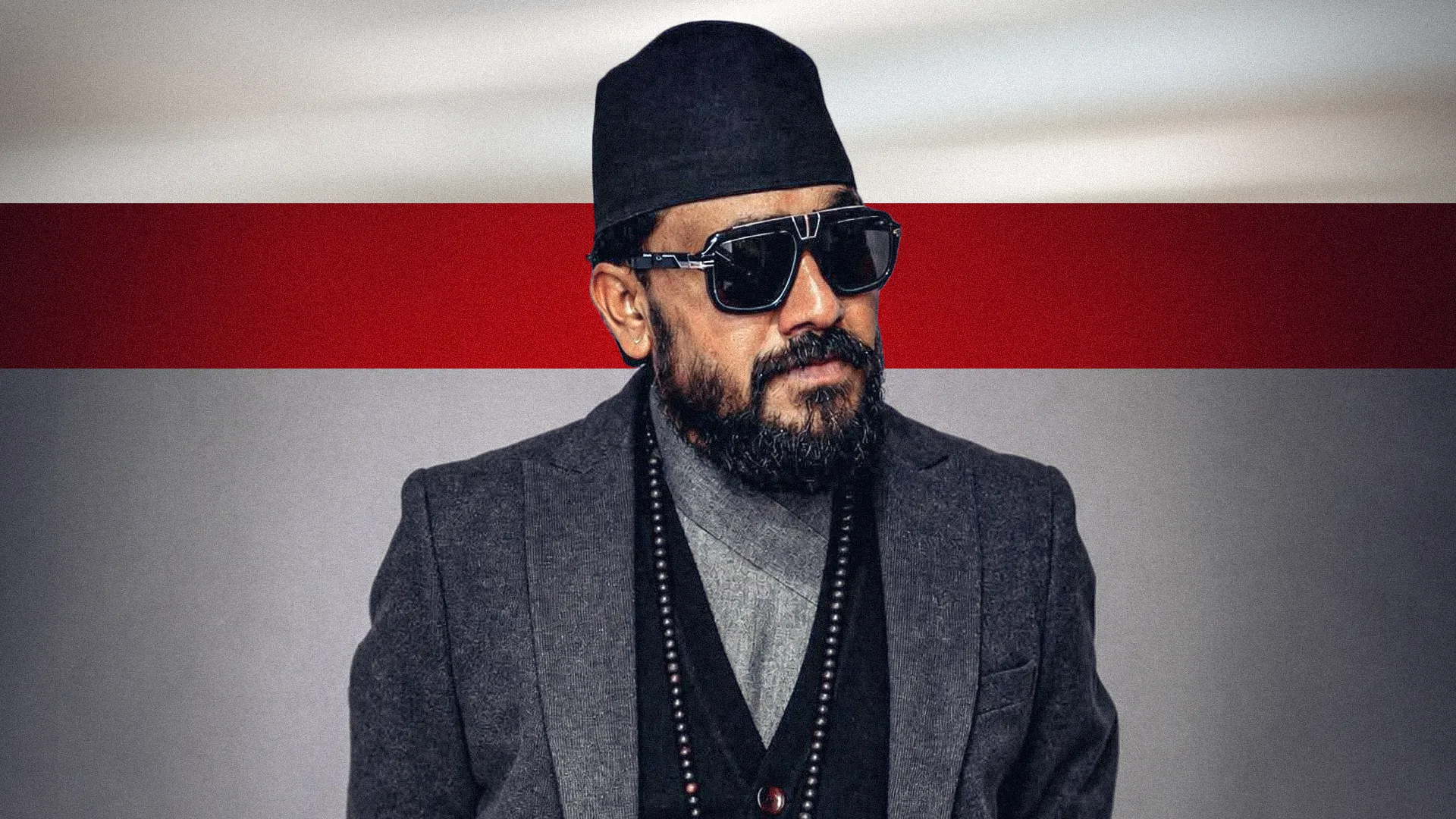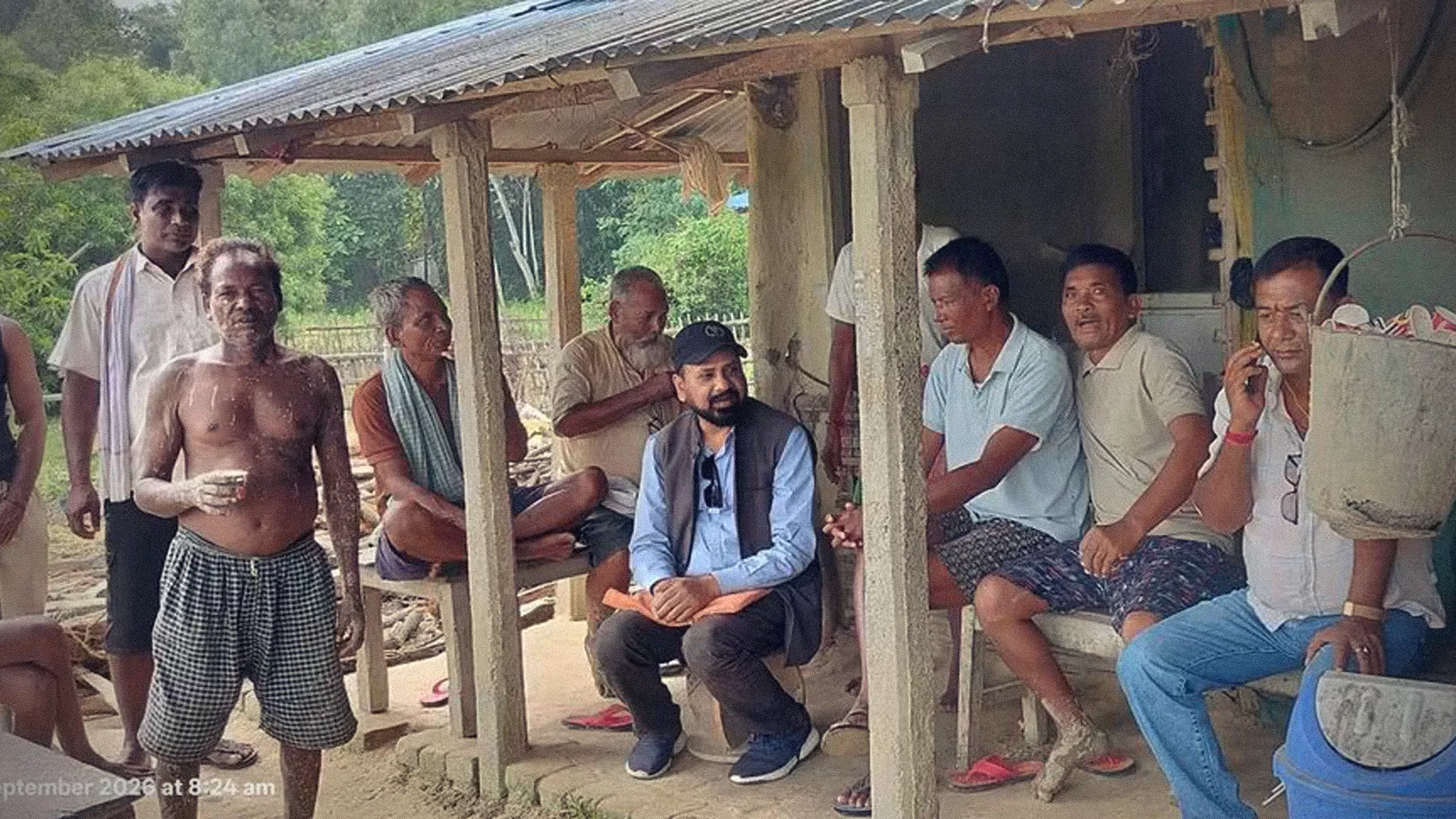




KATHMANDU. The Rastriya Swatantra Party (RSP), which emerged as an "alternative force" by shaking the traditional foundations of Nepali politics, is currently on the threshold of its historic first General Convention. RSP, which built a narrative of "selecting the capable" and "cultured politics" to win the hearts of conscious voters during the elections, seems to have fallen into the trap of copy-pasting old party styles and internal power balancing as it reaches its general convention.
While looking democratic from the outside, new syndicates and factionalism have already taken root deep within the RSP.
Undisputed Rabi: Mimicking the 'Prachandapath'?
The most fascinating and critical aspect of this general convention is the "undisputed" presence of Rabi Lamichhane for the post of party Chairman. In a party that preaches sophisticated methods and rules, the complete absence of aspiration or candidacy from any other leader for the chairman's post raises serious questions about RSP’s internal democracy.
Critical Analysis:
This style exactly mirrors the governing approach of the top leader from a Maoist background, Pushpa Kamal Dahal 'Prachanda', where for decades, let alone debates on leadership change, no one dares to seek an alternative. This 'autocratic-democratic' image of Rabi Lamichhane has fueled suspicions that the RSP might be shrinking from an 'alternative party' into a mere 'Rabi Club'.
'Rabi Club' vs 'Balen Faction': Democratic Servicing or Just a Loot-Share?
A narrative has begun to settle within the RSP that just as a little corruption is said to lubricate the economy, a little factionalism helps service the party's internal democracy. Two distinct factions have clearly emerged within the party—Rabi Club and the Balen Faction.

Interested in this ad?
Would you like to continue to the link or provide your information for more details?
Please provide your information
To continue, please fill in your details
Although senior leader Balendra Shah (Balen) currently lacks the time and environment to run for Chairman due to his executive responsibilities in government, he and his loyalists are moving ahead strategically to maintain a tight grip on the party's power structure. Before Balen became a prime ministerial candidate, RSP was almost like Rabi's 'private club', dominated solely by his close aides. Now, however, the power equations have shifted.
The Inside Deal: How the Posts are Being Distributed
According to RSP sources, a blueprint for 'power sharing' was prepared even before the general convention to save the party from a split and to accommodate both factions. Under this agreement, the Balen faction is set to secure key organizational and policy positions:
| Position / Level | Secured Share / Status for the Balen Faction |
| Central Committee Members | 100 Open, 50 Nominated (Approx. half share) |
| Vice Chairman | 1 Person (Nominated) |
| General Secretary | 1 Person (Nominated) |
| Joint General Secretary | 2 People (Out of a total 5) |
| Key Office Bearers | Treasurer, Spokesperson (Nominated) |
| Assistant Office Bearers | Joint Spokesperson, Joint Treasurer (Nominated) |
RSP on the Test of Sophistication
It is inherently hypocritical for a party born out of bashing old political tendencies to indulge in backroom quota-sharing and the politics of nomination in its very first general convention. If RSP truly wants to prove itself as 'capable, cultured, and democratic', it must rise above this quota-politics and the hangover of the 'Rabi Club'. Otherwise, like old wine in a new bottle, RSP will merely prove to be a new version of yet another traditional party.