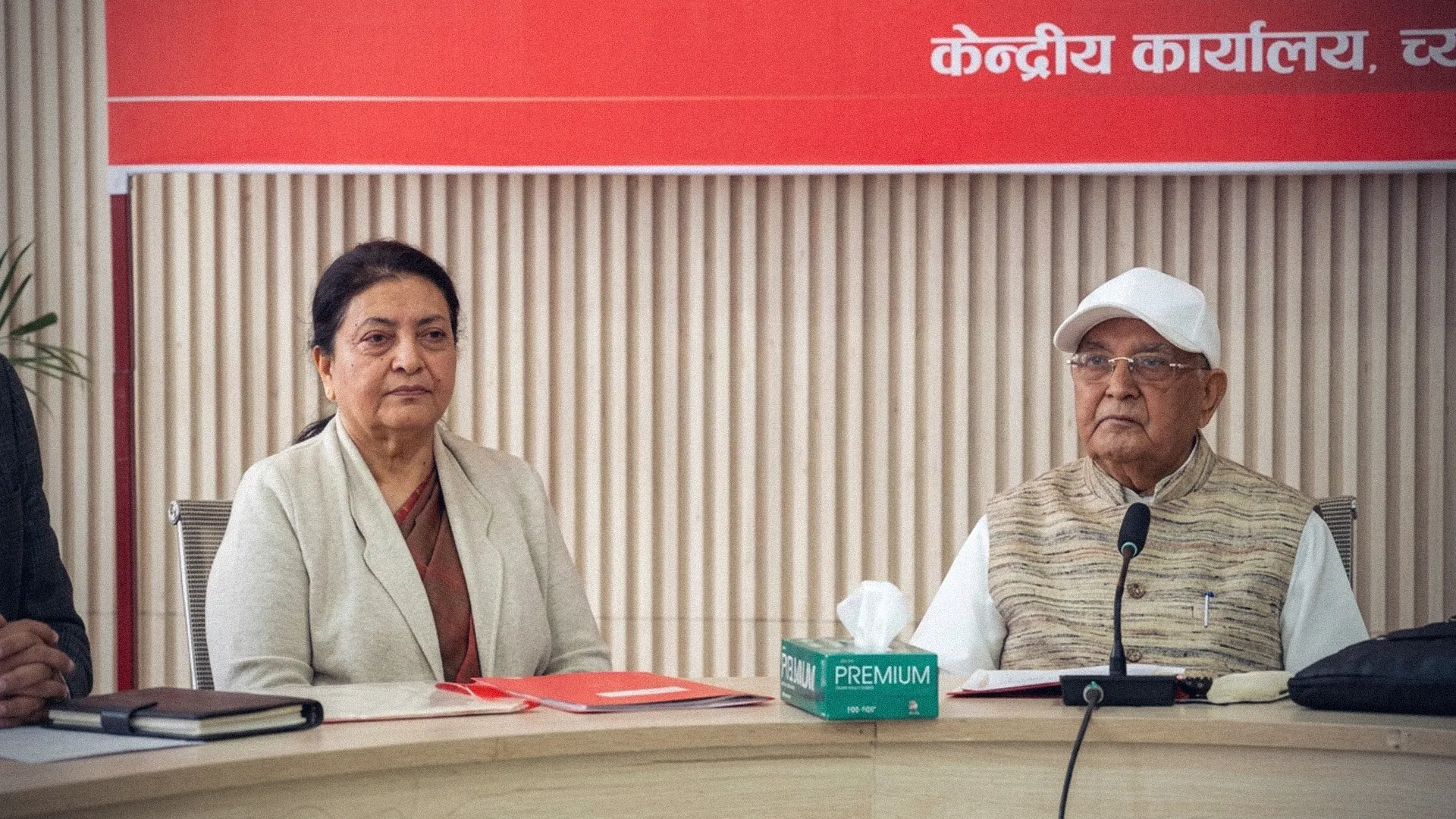


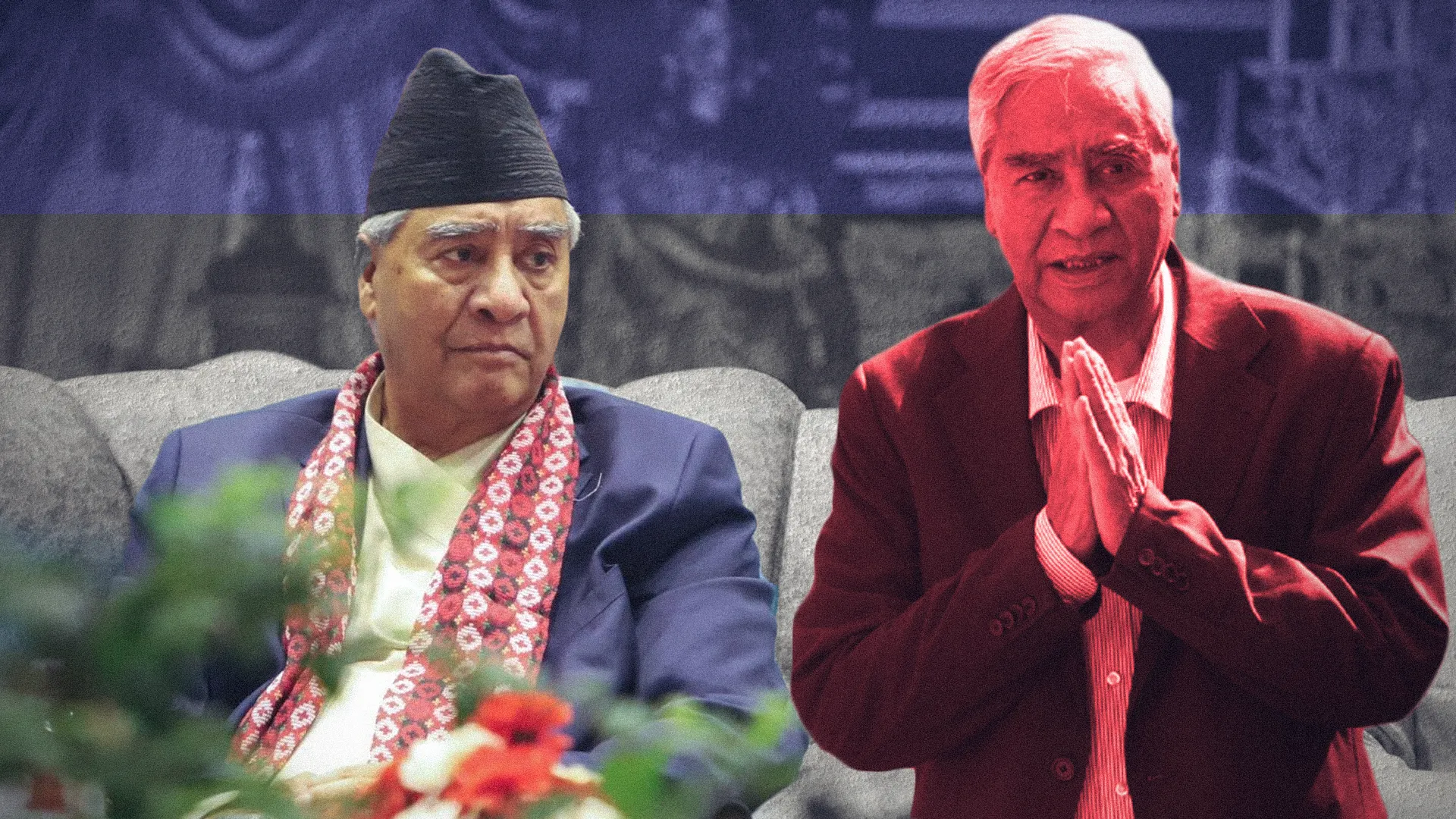
Former Prime Minister Sher Bahadur Deuba returned to Nepal following a five-month period of medical treatment abroad, presenting himself as a humble servant committed to national unity and systemic reform. Upon his arrival, Deuba expressed profound gratitude to well-wishers and reflected on the country’s natural landscape, stating that he returned with a mindset ready to listen, learn, and contribute to the nation’s development.
Reflecting on the history of the Nepali Congress, Deuba highlighted the party’s long-standing struggles for democracy and freedom since 1963. He emphasized that the sacrifices of past leaders like BP Koirala, Subarna Shamsher Rana, Ganesh Man Singh, Krishna Prasad Bhattarai, and Girija Prasad Koirala represent a sacred responsibility entrusted by the public rather than a mere badge of honor.
Addressing the aspirations of the younger generation, the former Prime Minister stated that the Nepali Congress embraces the changes demanded by the youth. He noted that during his medical recovery last August, he supported the address of legitimate demands raised during the Gen Z movement, affirming that adapting to global shifts and ensuring meaningful participation across all communities remains essential for future progress.
Deuba urged the current government to address the high expectations of the public rather than engaging in political prejudice. He warned that if a ruling party buoyed by a fresh mandate fails to honor the public’s vote, the sovereign power of the people in a democracy remains unalterable. He reaffirmed readiness to assist in managing transformation through wisdom, transparency, and justice.

Interested in this ad?
Would you like to continue to the link or provide your information for more details?
Please provide your information
To continue, please fill in your details
The veteran leader called for internal unity within the Nepali Congress and broader consensus among all active political parties to safeguard the constitution and strengthen democracy. Stressing that any constitutional amendments must be executed through national consensus, Deuba appealed to party cadres and supporters to move past personal egos, bridge internal divisions, and focus on the collective welfare of the nation.
Concluding his address, Deuba stated that he returned not to seek power, but to reinforce national unity, drawing parallels to BP Koirala’s return from exile in 1976. Asserting that his decades-long public career has always adhered to the constitution, law, and morality, he pledged to dedicate his remaining life to serving the nation as an experienced citizen and transferring his historical experience to the younger generation.