



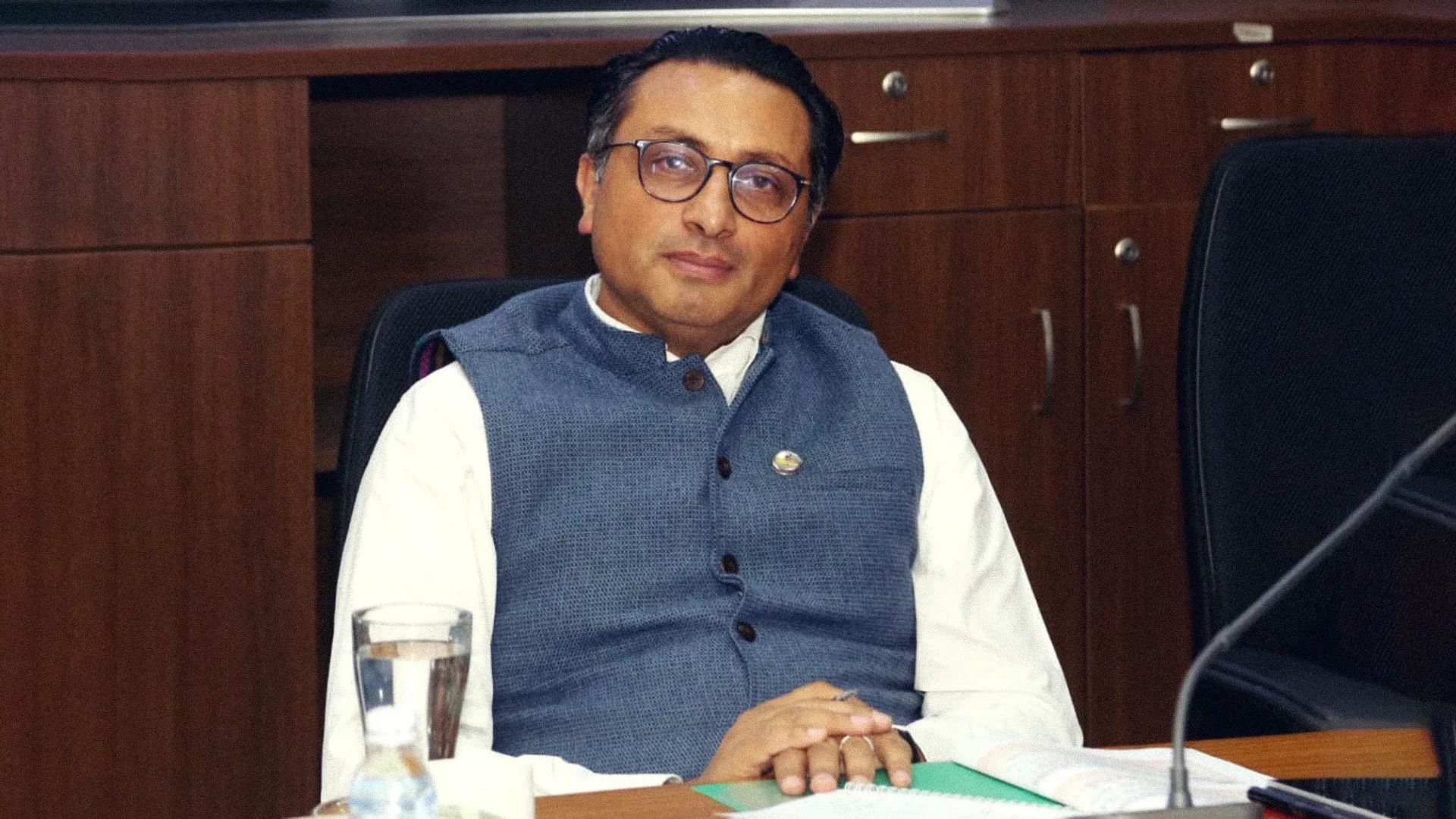
Small and medium-sized entrepreneurs have called for urgent state intervention to prevent the collapse of local trade, highlighting a severe disconnect between current financial policies and the reality of small-scale businesses. During a significant delegation meeting with Finance Minister Dr. Swarnim Wagle, the Federation of National Nepal Entrepreneurs (FNNE) presented a comprehensive roadmap intended to pull the sector out of its current state of "fragile survival."
The primary focus of the discussion shifted toward the lack of liquidity accessibility for grassroots traders. To address this, the Federation officially demanded the provision of collateral-free loans at a concessional interest rate of approximately 3 percent. Founding President Naresh Katuwal emphasized that while the transition to a new government has sparked hope, most businesses are currently operating solely for subsistence rather than growth.
Infrastructure and administrative hurdles also dominated the agenda. The entrepreneurs urged the government to replace ambiguous local rent policies with a "scientific rent system" categorized by urban and rural zones and calculated per square foot. Furthermore, the delegation pointed out that the complicated procedures and high rates at customs points have become a bottleneck for both imports and exports, necessitating immediate reform.

Interested in this ad?
Would you like to continue to the link or provide your information for more details?
Please provide your information
To continue, please fill in your details
A critical technical issue raised involved the management of Maximum Retail Price (MRP) labels. The Federation advised the ministry on practical ways to manage existing stock and new production without burdening consumers or penalizing traders. Dr. Wagle reportedly responded positively, signaling that the upcoming budget would prioritize creating a hassle-free environment for SMEs and dismantling the long-standing monopoly of elite organizations in economic policy advisory roles.
The dialogue concluded with a sense of cautious optimism, as the Finance Minister pledged to integrate the concerns of shutter-based traders and small-scale domestic industries into the national fiscal framework. This engagement marks a potential shift in how the state perceives the contribution of small business owners to the broader national economy.