


The border markets of Rupaidiha, Babaganj, and Nanpara are facing an unprecedented economic slump following the Nepal government’s decision to implement stringent customs regulations. Under the leadership of Balen Shah, the administration has introduced new taxes on goods imported from India, coupled with intensified security measures at the border.
The new policy mandates that any goods exceeding a value of 100 Nepali Rupees (approximately 62 Indian Rupees) are now subject to customs duty. This low threshold has directly hit the daily habits of Nepali citizens who previously crossed the border frequently to purchase household essentials, vegetables, and clothing at more affordable rates.
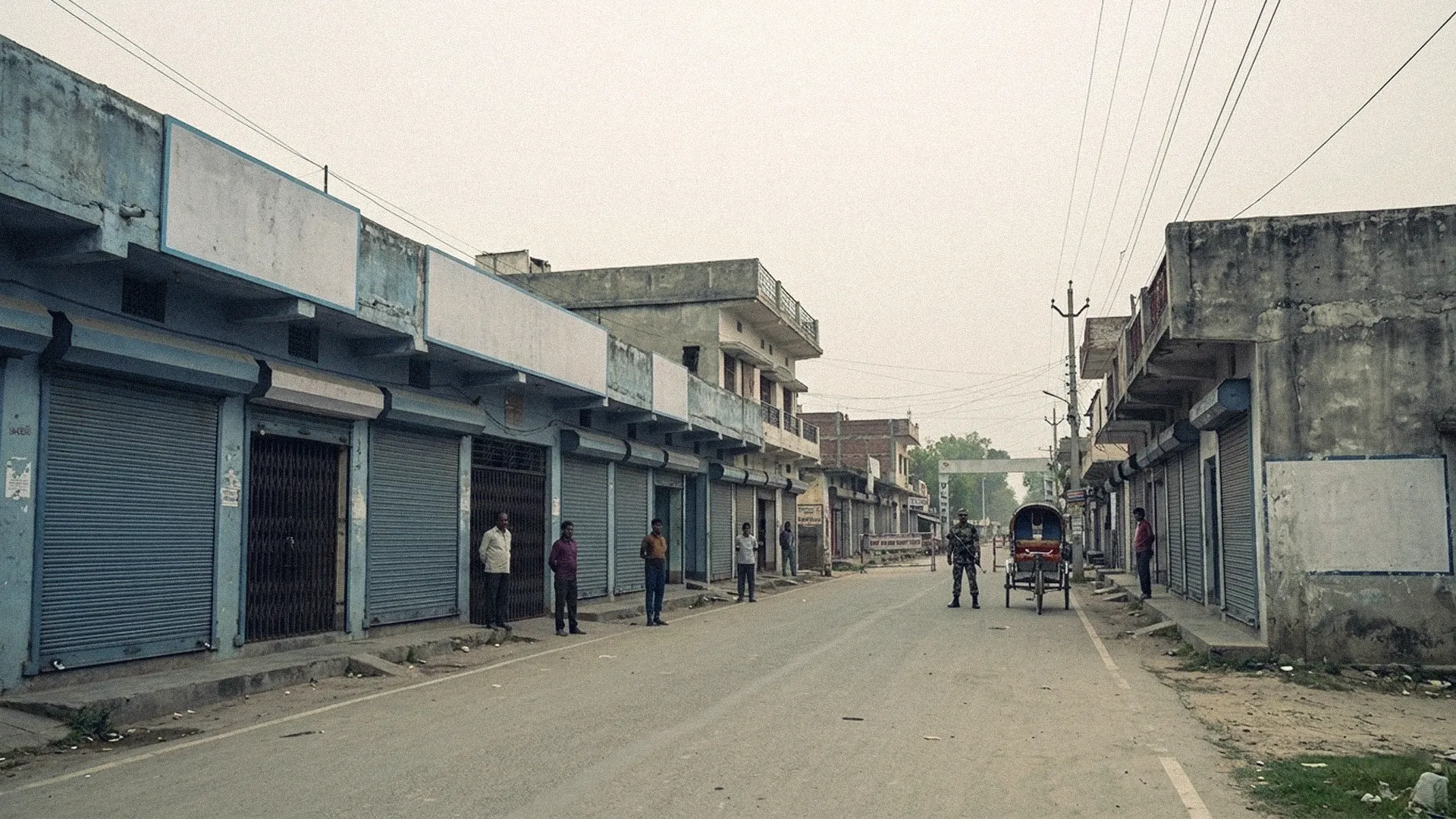
Local commerce has been severely disrupted, with border-side merchants reporting a decline in trade exceeding 40 percent. According to Hindusthan Samachar, shopkeepers who once saw bustling crowds now describe their markets as "deserted." Clothing vendor Danish Farman Raza noted that while customers used to arrive in large numbers, shops now remain empty for most of the day.

Interested in this ad?
Would you like to continue to the link or provide your information for more details?
Please provide your information
To continue, please fill in your details
The frustration among Indian traders is palpable. Footwear businessman Abdul Salam shared that the lack of customers often forces shops to close early, while grocery owner Asif Siddiqui observed that Nepali citizens now visit primarily for tourism rather than shopping. The fear of paying high taxes at the border has effectively halted routine cross-border retail sales.
As the Balen government maintains its stance on revenue collection and border regulation, the long-term viability of these historic border markets remains uncertain.