


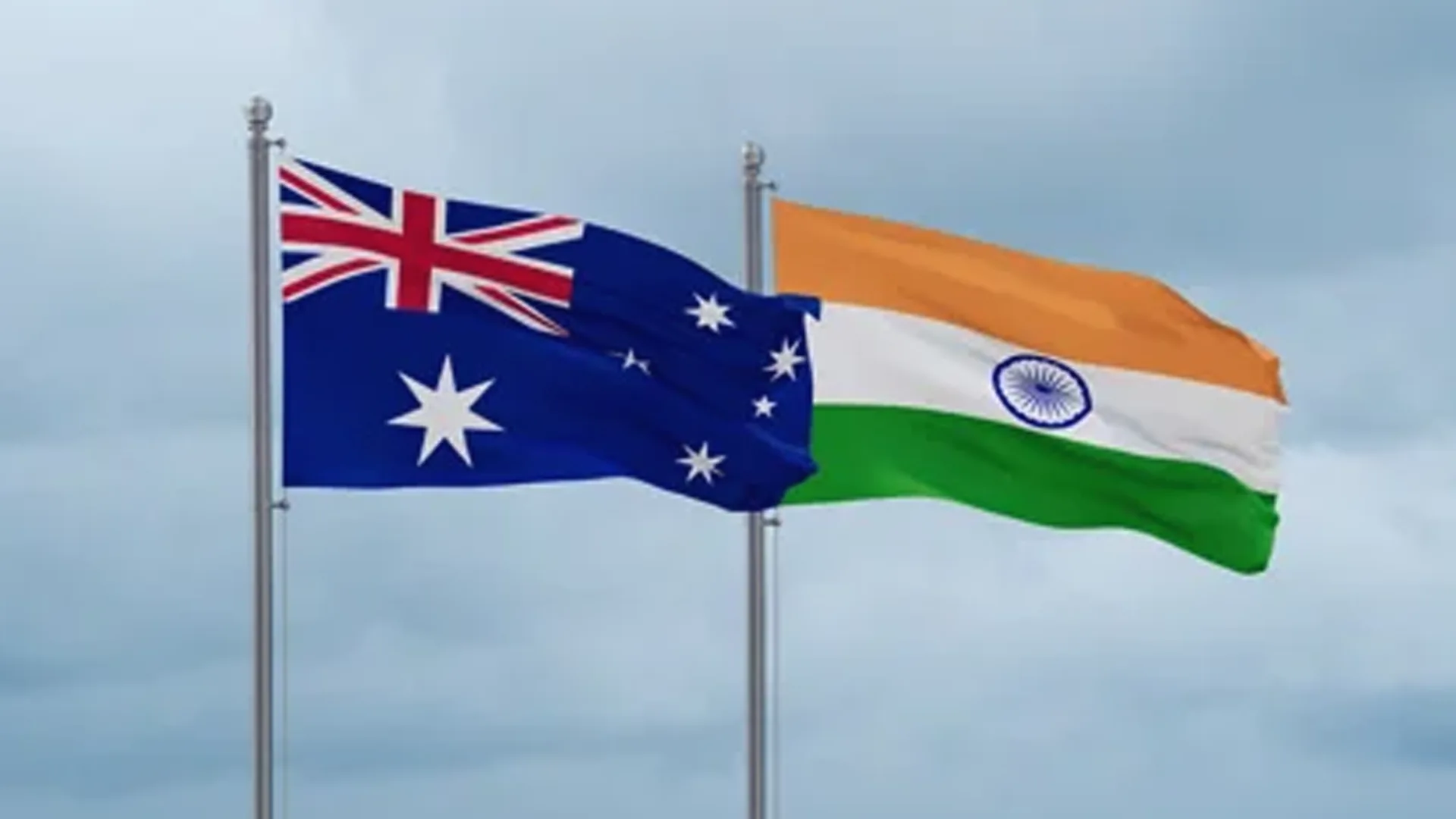
Australia’s evolving approach toward India is signaling a significant shift in regional strategic thinking, with Canberra increasingly viewing New Delhi as one of its most important security partners in the Indo-Pacific.
Recent diplomatic engagements, including Australian Defence Minister Richard Marles’ visit to New Delhi, have underscored the growing depth of cooperation between the two countries. Observers say the relationship is no longer centered primarily on trade and economic ties, but is increasingly being shaped by shared security interests.
Collaboration between India and Australia has expanded across several critical areas in recent years. Defence cooperation, maritime security initiatives, cybersecurity coordination, intelligence exchanges and joint military exercises have become important pillars of the partnership.
Analysts note that concerns surrounding the changing balance of power in the Indo-Pacific have encouraged closer coordination between the two nations. Shared efforts to support regional stability and maintain secure maritime routes have further strengthened bilateral engagement.

Interested in this ad?
Would you like to continue to the link or provide your information for more details?
Please provide your information
To continue, please fill in your details
The Quad grouping, which includes India, Australia, the United States and Japan, has also contributed to the growing strategic alignment. Through the framework, member countries have increased cooperation on regional security, maritime governance and rules-based international practices.
Economic relations are advancing alongside security cooperation. Both governments have intensified collaboration in sectors such as minerals, energy, technology, education and supply-chain diversification, reflecting a broader long-term partnership.
Experts believe the changing geopolitical environment and regional security concerns have encouraged Australia to place greater strategic value on India. If current trends continue, the partnership could play an increasingly influential role in shaping the Indo-Pacific security landscape in the years ahead.