


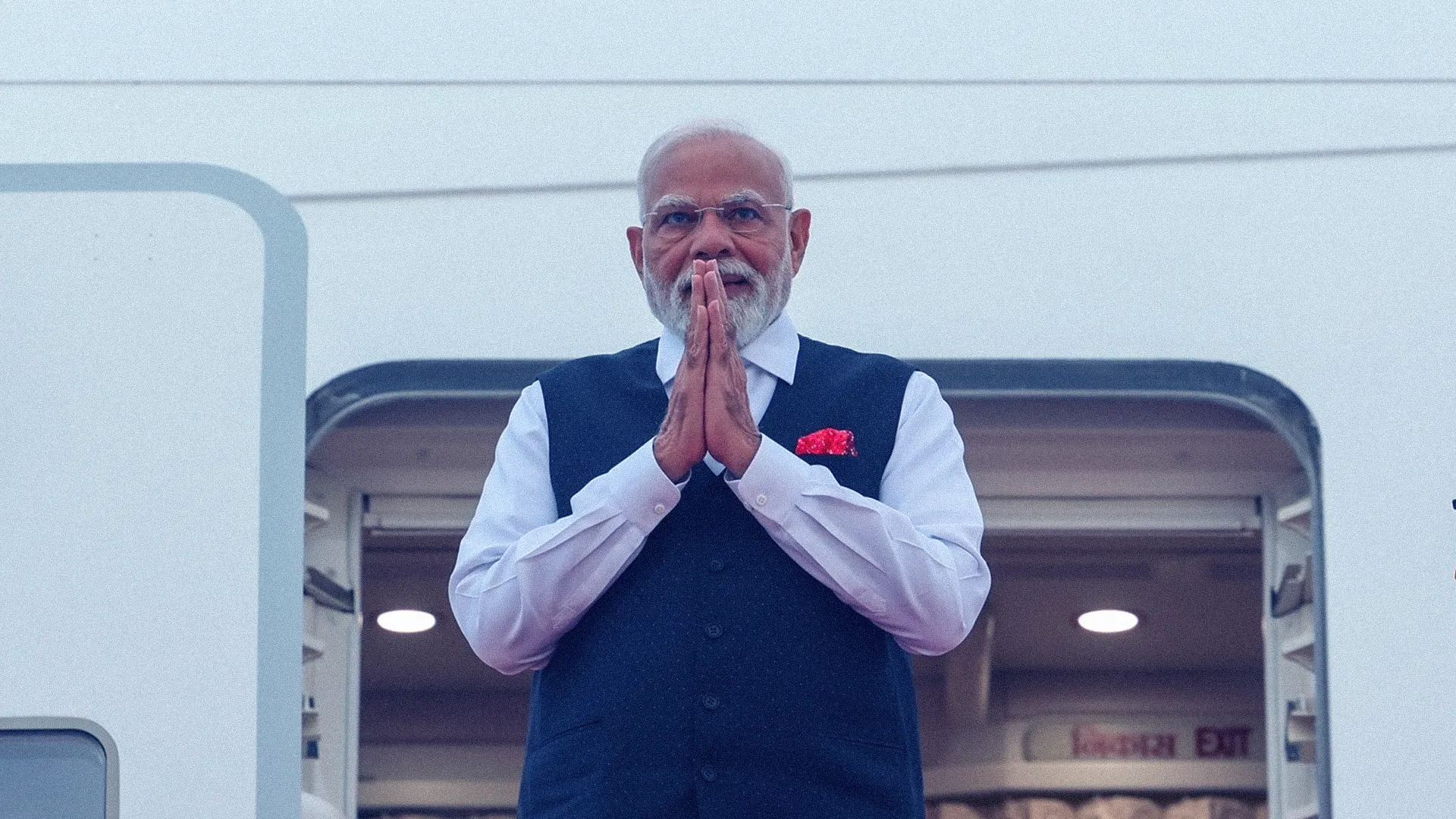
A wave of systemic failures and question paper leaks across India’s national testing framework has driven the Modi administration to the negotiating table, setting the stage for formal dialogue with youth-led reform groups this Friday. The turning point follows an explicit commitment from Prime Minister Narendra Modi promising swift legal retribution against those sabotaging competitive examinations, temporarily easing high-tension standoffs between law enforcement and agitators.
Deep-seated grievances over flawed medical entrance tests and compromised higher secondary online evaluations have catalyzed a massive public backlash against the nation's educational governance. Operating primarily through digital networks, the youth-driven Cockroach Janta Party (CJP) has emerged at the forefront of the demonstrations, steadfastly demanding the immediate resignation of Education Minister Dharmendra Pradhan.
Saurabh Das, speaking on behalf of the CJP, confirmed that the upcoming summit with government representatives will serve as a platform to articulate their core demands comprehensive policy revisions. Das emphasized the collective hope that state authorities will genuinely address the concerns of citizens who have taken to the streets for weeks. The dialogue follows a public declaration by Prime Minister Modi, who noted that his cabinet is actively devising stringent legal measures to crack down on exam malpractice networks. According to official channels, legislative drafts incorporating ministerial feedback are slated for fast-tracked introduction in Parliament.

Interested in this ad?
Would you like to continue to the link or provide your information for more details?
Please provide your information
To continue, please fill in your details
The administration’s sudden political movement arrives amid escalating pressure from student unions, civil society groups, and grassroots activists. Adding momentum to the cause, prominent social reformist Sonam Wangchuk concluded a grueling 26-day hunger strike late Thursday evening. Wangchuk stated his decision to break the fast came after official assurances guaranteed immunity for peaceful demonstrators and pledged a detailed parliamentary debate aimed at overhauling institutional accountability in education.
While CJP founder Abhijit Dipke commended Wangchuk’s sacrifice—crediting it with mobilizing national consciousness—he reiterated that street mobilization will persist until Minister Pradhan steps down. The magnitude of public outrage was vividly demonstrated on Monday in New Delhi, where tens of thousands marched in what observers consider the capital's largest rally in five years, forcing police to resort to tear gas and baton charges. As Prime Minister Modi navigates his third term, this widespread educational unrest presents one of his administration's most critical domestic challenges to date.