


Efforts to broaden the reach of the Abraham Accords are drawing renewed attention to Pakistan’s foreign policy, as shifting diplomatic dynamics in the Middle East place Islamabad in an increasingly delicate position.
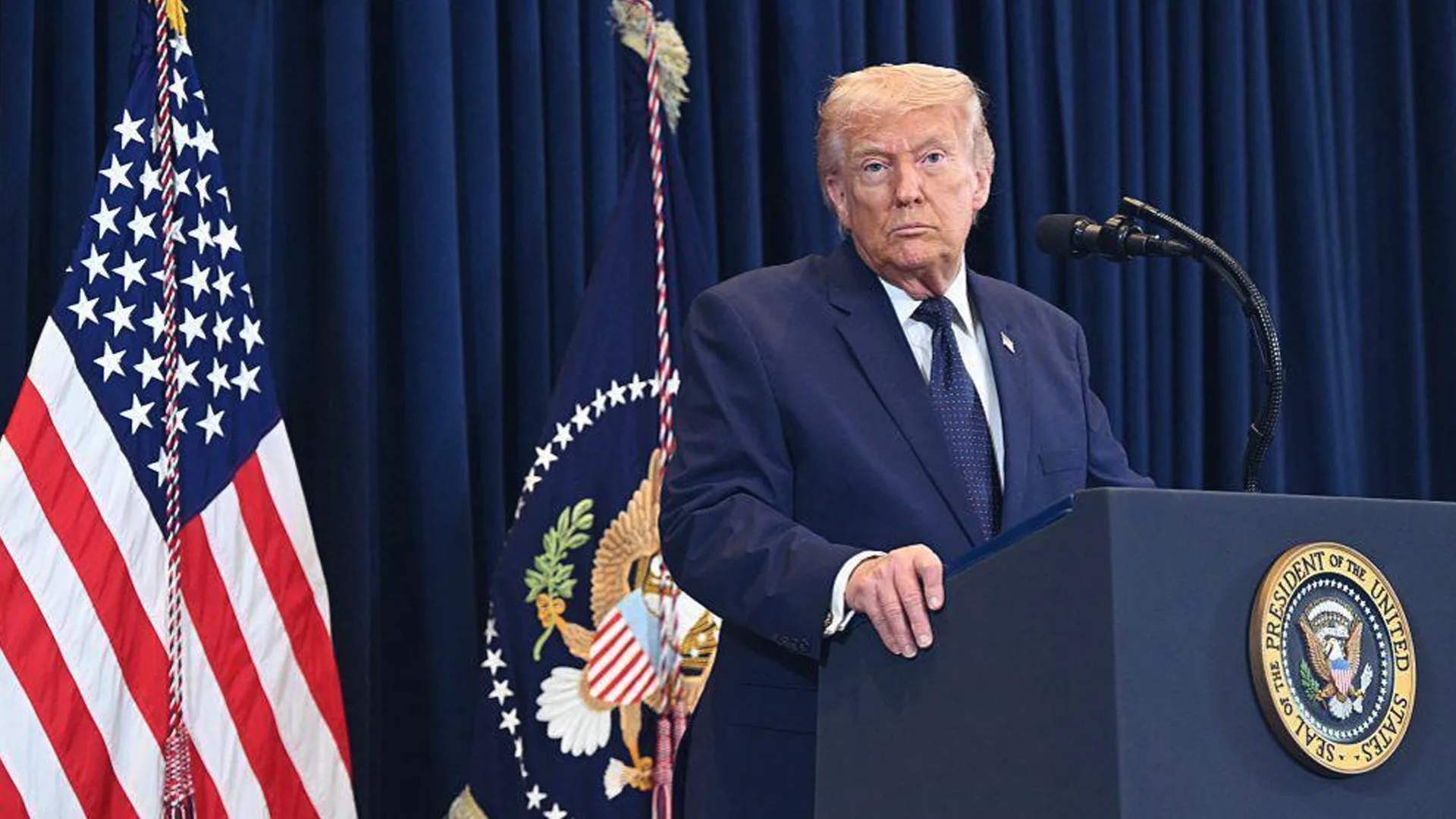
Originally promoted by former U.S. President Donald Trump, the initiative sought to normalize relations between Israel and several Arab countries. Analysts now suggest that attempts to bring additional Muslim-majority nations into the framework are creating new strategic questions for Pakistan.
For decades, Pakistan has maintained its refusal to formally recognize Israel. Support for the Palestinian cause remains deeply rooted among political leaders, religious organizations and a significant segment of public opinion, making any discussion of normalization highly sensitive.
Observers note that the evolving regional landscape has intensified scrutiny of Pakistan’s diplomatic choices. As several Gulf nations have moved toward stronger engagement with Israel, Islamabad is facing growing pressure to assess how those developments could affect its own regional relationships.

Interested in this ad?
Would you like to continue to the link or provide your information for more details?
Please provide your information
To continue, please fill in your details
The issue comes at a time when Pakistan is also confronting economic difficulties, political uncertainty and security concerns. With international financial support, Gulf investment and ties with the United States carrying substantial importance, foreign policy flexibility may become a subject of increasing discussion.
Despite these considerations, many political and religious groups continue to insist that recognition of Israel should not occur before the establishment of a Palestinian state. That position remains a significant factor in domestic political debate.
Experts say the expansion of the Abraham Accords and the broader transformation of Middle Eastern diplomacy could present Pakistan with complex strategic choices, requiring careful balancing of economic priorities, regional partnerships and domestic political realities.