


Sanjeev Bikram Shah. India and Nepal are not just two neighboring nations, but countries deeply connected with each other on the basis of civilization, culture, history, and strategic interests. The Nepal-India relationship is often described as a "Roti-Beti relationship," reflecting the open border, family ties, and people-to-people movement maintained for centuries.
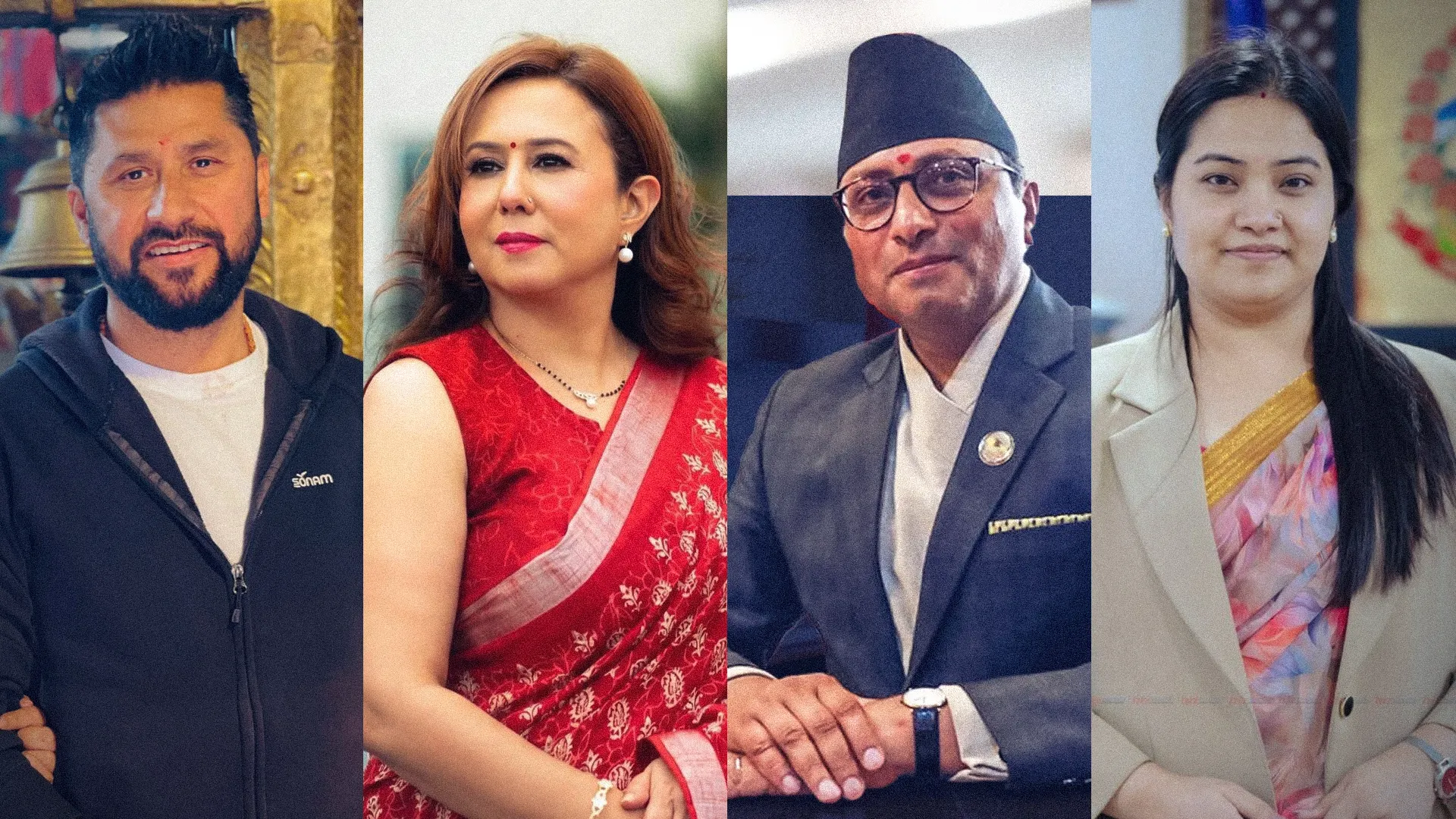
Recently, the rise of the Rastriya Swatantra Party (RSP) in Nepal's political landscape has brought significant changes. Challenging the decades-long dominance of traditional political forces, RSP has gained public mandate in favor of good governance, transparency, and economic reform. Under such circumstances, an opportunity has been created for the new political leadership to take Nepal-India relations to a new height. By prioritizing development, infrastructure, connectivity, and open diplomatic dialogue, both countries can transform shared challenges into opportunities for regional prosperity.
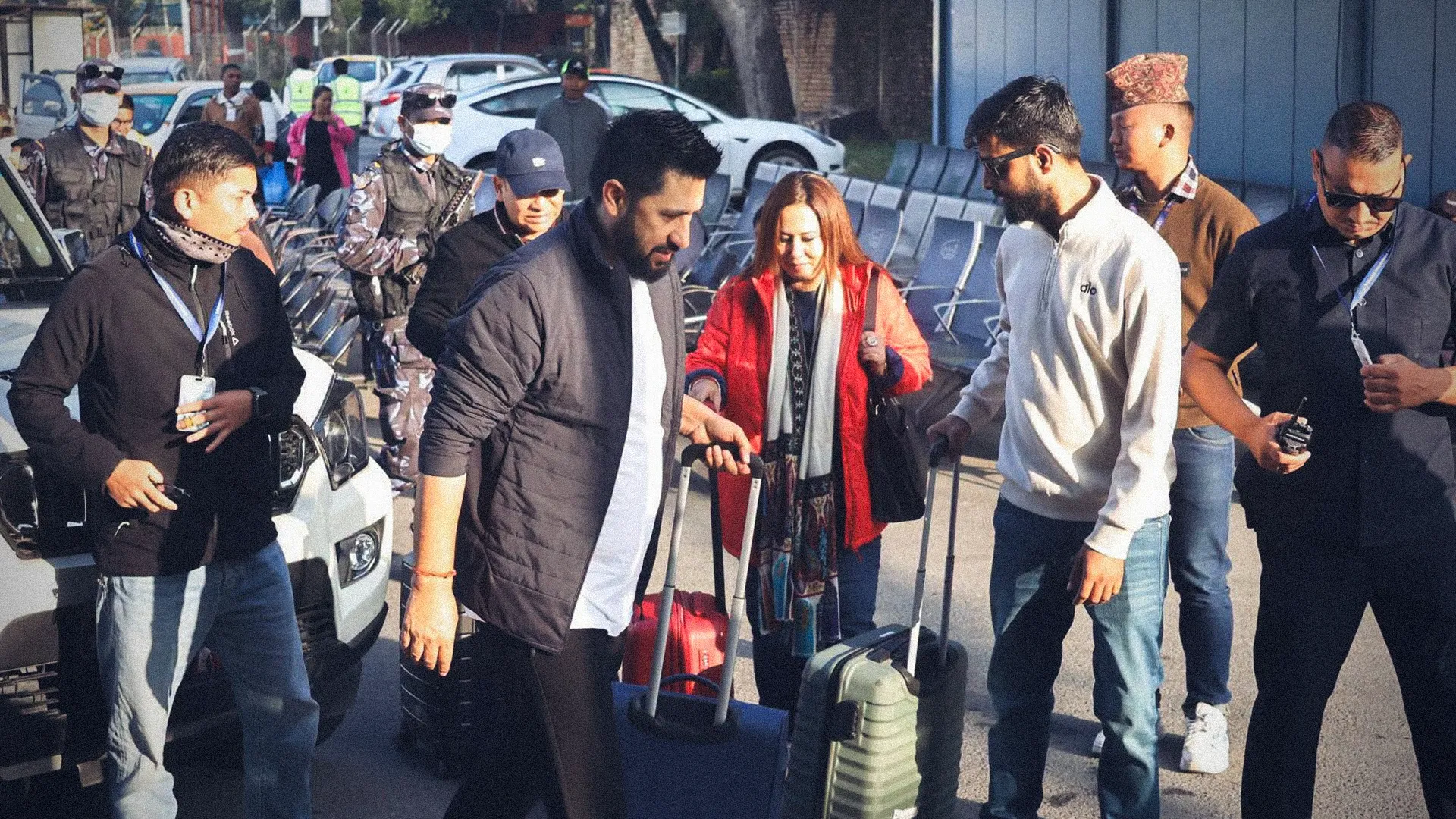
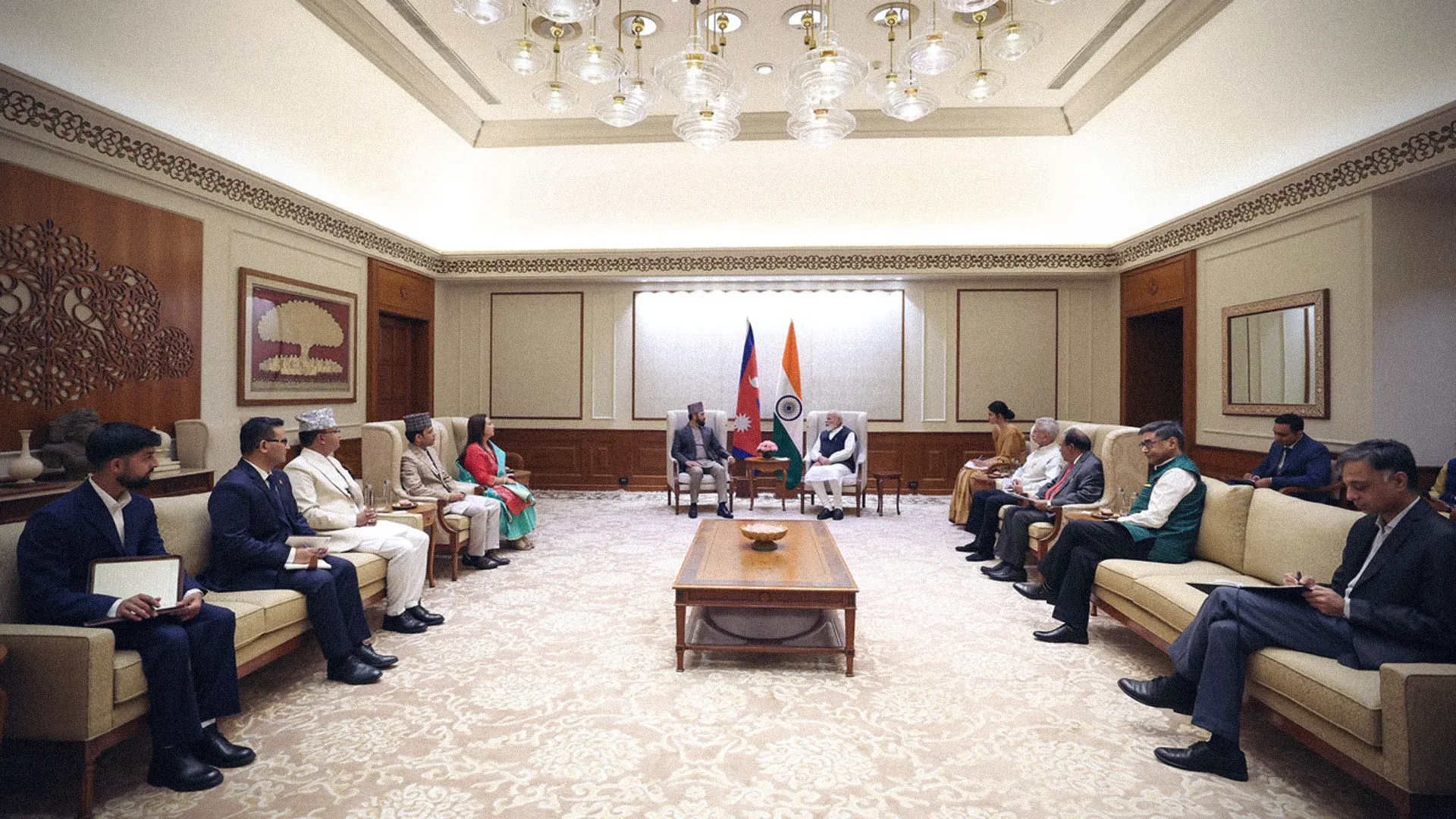
RSP Chairman Rabi Lamichhane's upcoming visit to India at the invitation of the Bharatiya Janata Party (BJP) is being viewed as an important diplomatic opportunity for the new government. This visit can reduce past mistrust and bitterness while preparing the ground to build a strong and self-reliant strategic partnership between both countries through practical "development diplomacy."
Transition Towards Development Diplomacy
The Nepal-India relationship has been influenced in the past by border disputes, political fluctuations, and various sensitive issues. However, Lamichhane's visit has shown the possibility of moving the relationship forward from a new perspective. The main feature of this visit could be the effort to prioritize economic prosperity, infrastructure expansion, and the welfare of the people by keeping development diplomacy at the center.
Strengthening Strategic Relations
Building a foundation for direct political dialogue and cooperation between RSP and BJP could be an important achievement of this visit. This is expected to help enhance trust between the political leadership of the two countries.
Expansion of Constructive Dialogue
Direct dialogue between the emerging Nepali leadership and Indian policymakers can help remove past misunderstandings and mistrust. Open and transparent dialogue will further strengthen bilateral relations.
Policy Understanding
Both sides will be able to exchange experiences to build a shared understanding on issues of democratic practices, good governance, and citizen-centric policies.
Cooperation Focused on Development Agendas
The core objective of this diplomatic initiative is to give a new momentum to the development partnership. Rabi Lamichhane's leadership is expected to focus special attention on the following areas.

Interested in this ad?
Would you like to continue to the link or provide your information for more details?
Please provide your information
To continue, please fill in your details
Economic Integration
By increasing cooperation in expanding bilateral trade, quality certification, and removing non-tariff barriers, the access of Nepali agricultural and other products to the Indian market can be facilitated.
Infrastructure and Connectivity
Economic development of both countries can be accelerated by expanding cooperation in cross-border roads, railways, energy transmission lines, and tourism infrastructure.
People-to-People Relations
The relationship between the citizens of the two countries can be further deepened through religious tourism, cultural exchange, and educational programs.
Geopolitical Context of the Visit
In the complex geopolitical environment of South Asia, Nepal has always remained at the center of interest for various powers. Amid the competition between India and China, American strategic interests, and regional security challenges, there is a need for Nepal to adopt a balanced and national interest-centric foreign policy.
Rabi Lamichhane's visit to India is viewed as an effort to make Nepal-India relations development-oriented. Direct political dialogue can give a new dimension to trade, energy, tourism, and security cooperation. Additionally, there is also a possibility of discussion on issues of border management, control of illegal trade, and mutual security cooperation.
Regional Stability and Cooperation
Close cooperation between Nepal and India can strengthen economic integration and regional stability in South Asia. The cooperation of both countries will be crucial to make energy trade, regional transport networks, and sub-regional economic cooperation programs effective.
The Way Forward
Rabi Lamichhane's visit to India can be viewed not merely as a formal political event, but as an opportunity for trust-building, development partnership, and long-term economic cooperation. If they can move forward on the basis of maturity, transparency, and mutual respect, the relationship between Nepal and India can reach a new height. If both nations can move forward by making their shared history, culture, and geographical proximity the foundation of development and prosperity, a new chapter of stability, economic progress, and regional cooperation can begin in South Asia.