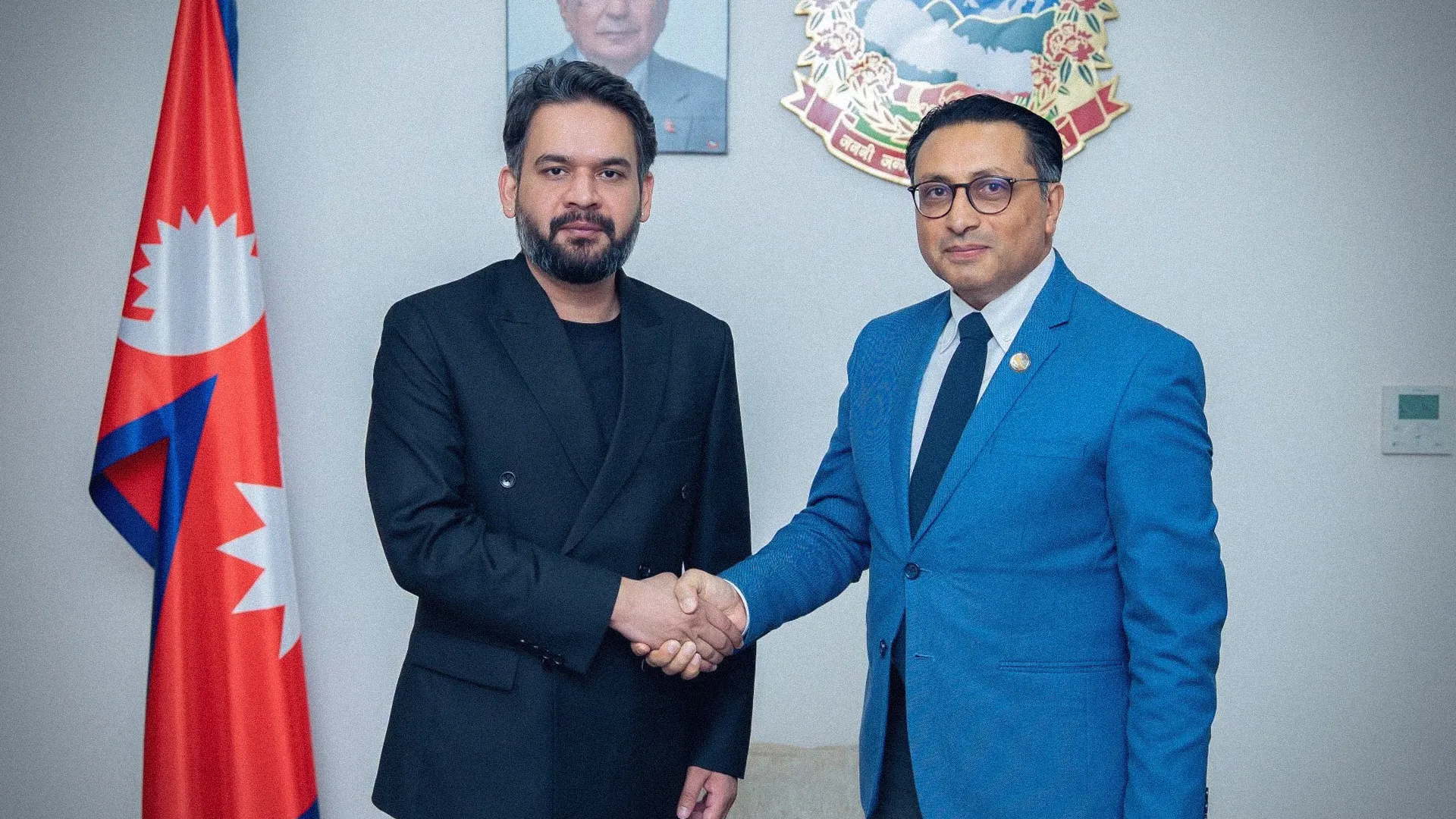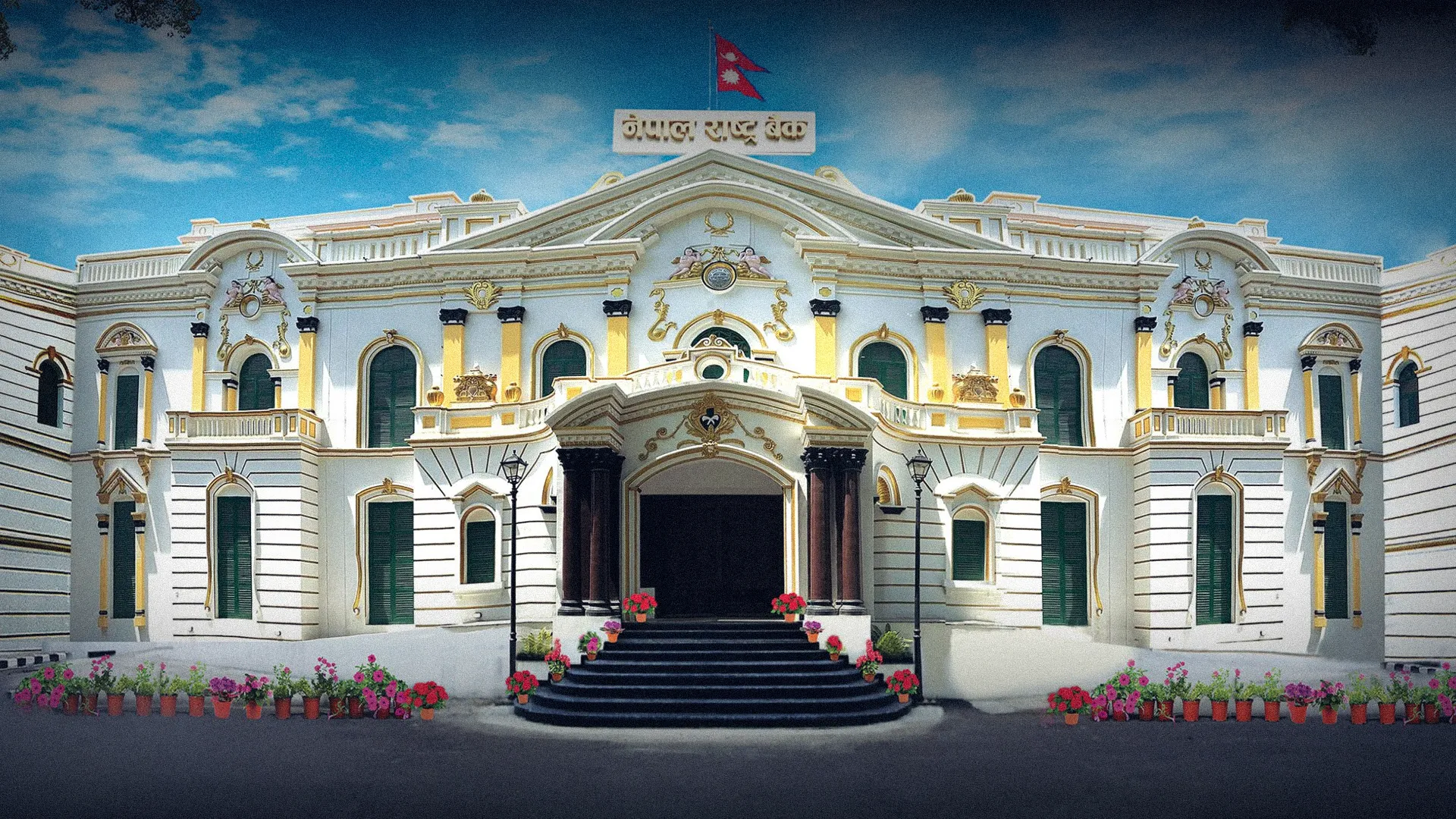



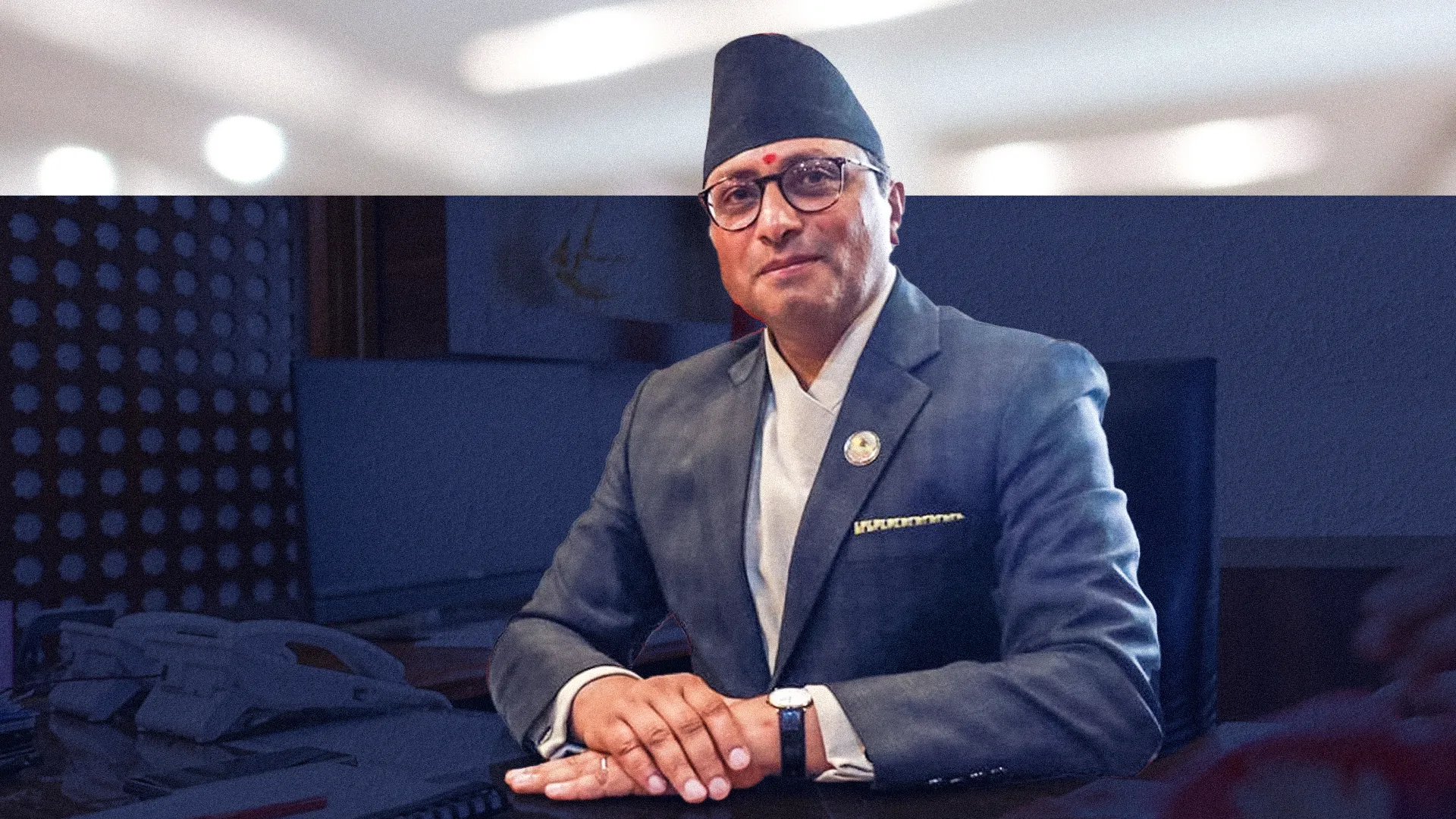
Finance Minister Dr. Swarnim Wagle has officially released the "Current Economic Status Paper 2083," providing a sobering evaluation of Nepal's fiscal health. The document underscores a cycle of low and unstable growth, warning that the nation requires immediate structural interventions to overcome deep-seated systemic hurdles.
According to the report, Nepal’s economic expansion has averaged a modest 4.2% over the last ten years, trailing significantly behind its regional neighbors. Projections for the current fiscal year 2082/83 are even more conservative, with growth expected to settle at approximately 3.5%, down from the previous year's 4.61%.

Interested in this ad?
Would you like to continue to the link or provide your information for more details?
Please provide your information
To continue, please fill in your details
A major concern highlighted by Minister Wagle is the premature shift of the economy toward the service sector without a solid industrial foundation. While services now contribute 62% to the GDP, the industrial sector's share has dwindled to 12.8%. Agriculture remains the primary livelihood for 62% of the population but contributes only a quarter of the national output due to stagnant productivity.
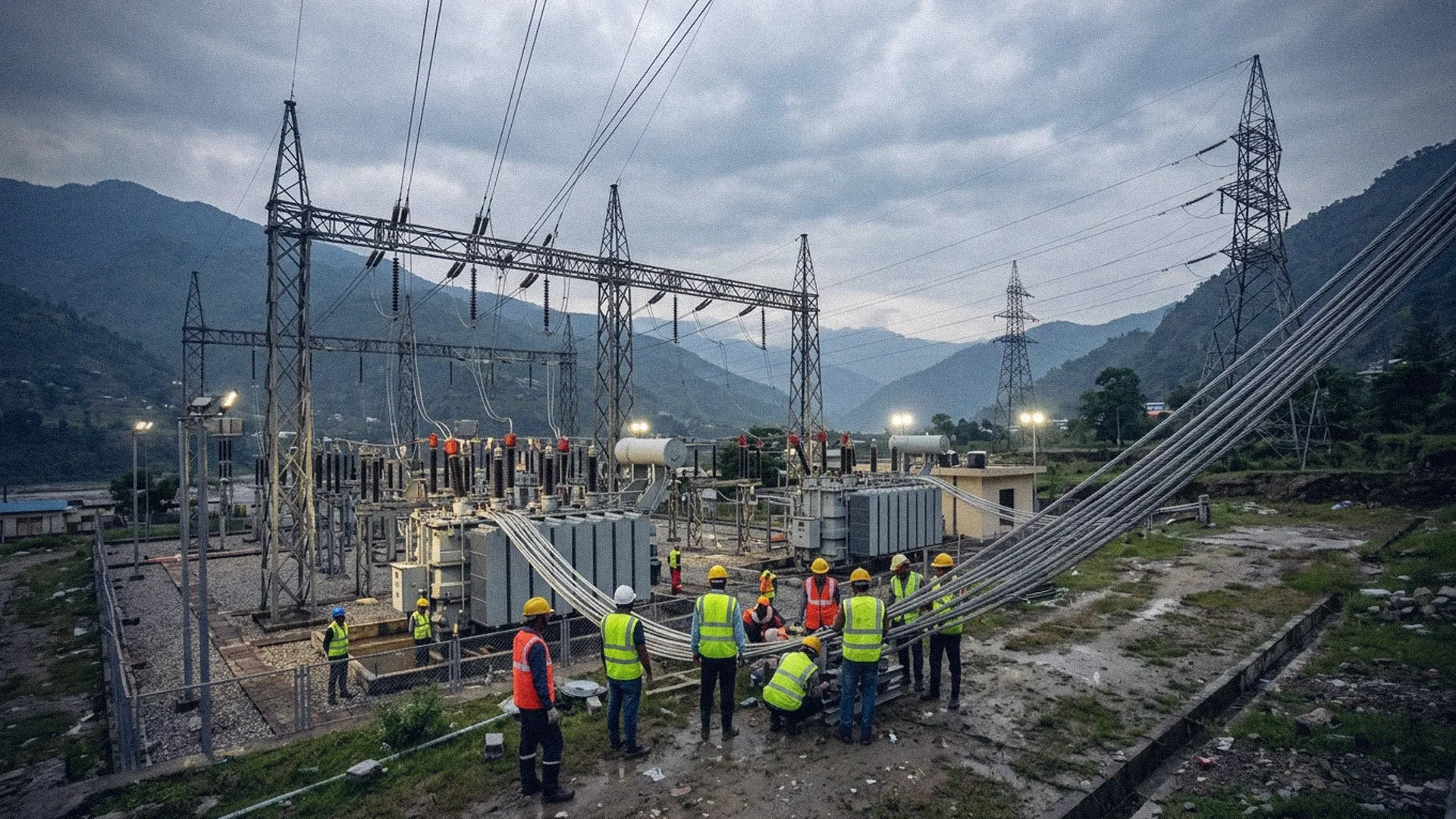
The status paper also points to a paradoxical energy situation. While electricity generation has soared to over 4,100 MW, infrastructure gaps in transmission lines force the country to import power during dry seasons. Furthermore, the report flags a critical human capital crisis, with over 800,000 citizens seeking foreign employment last year as domestic job markets remain stagnant with a 12.6% unemployment rate.