


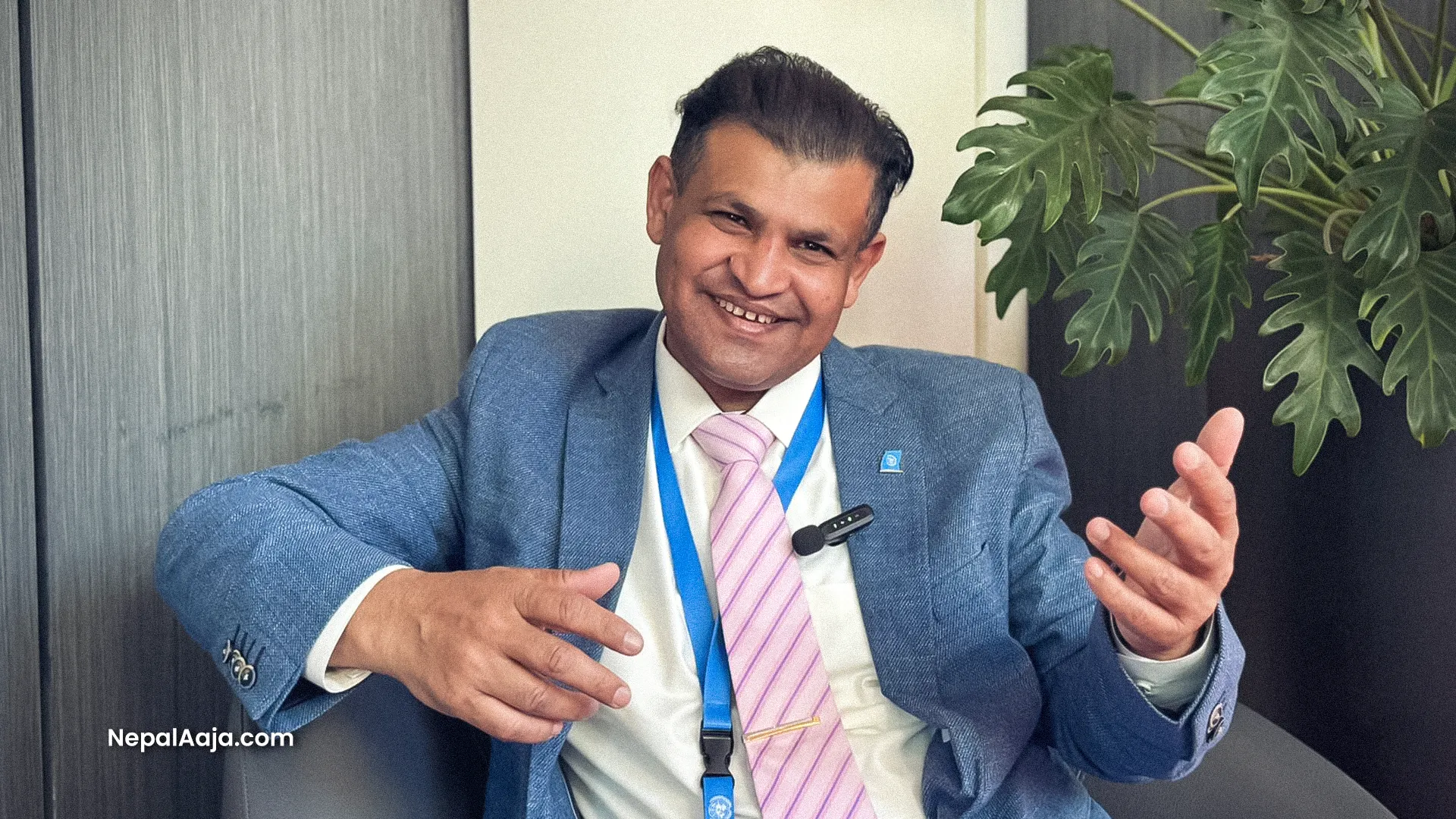
The Nepal-Balochistan Paradigm: A Tale of Two Destinies
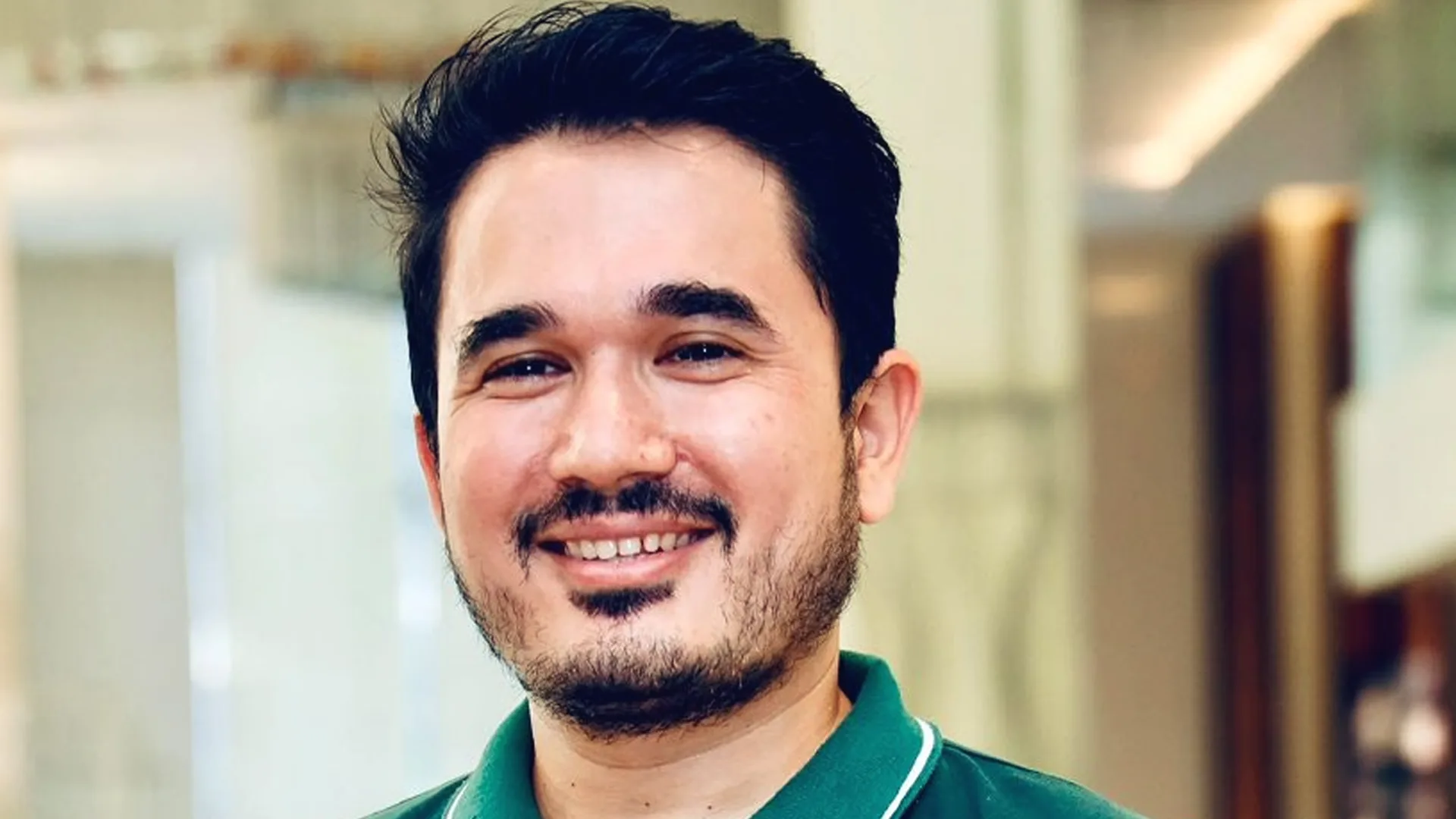
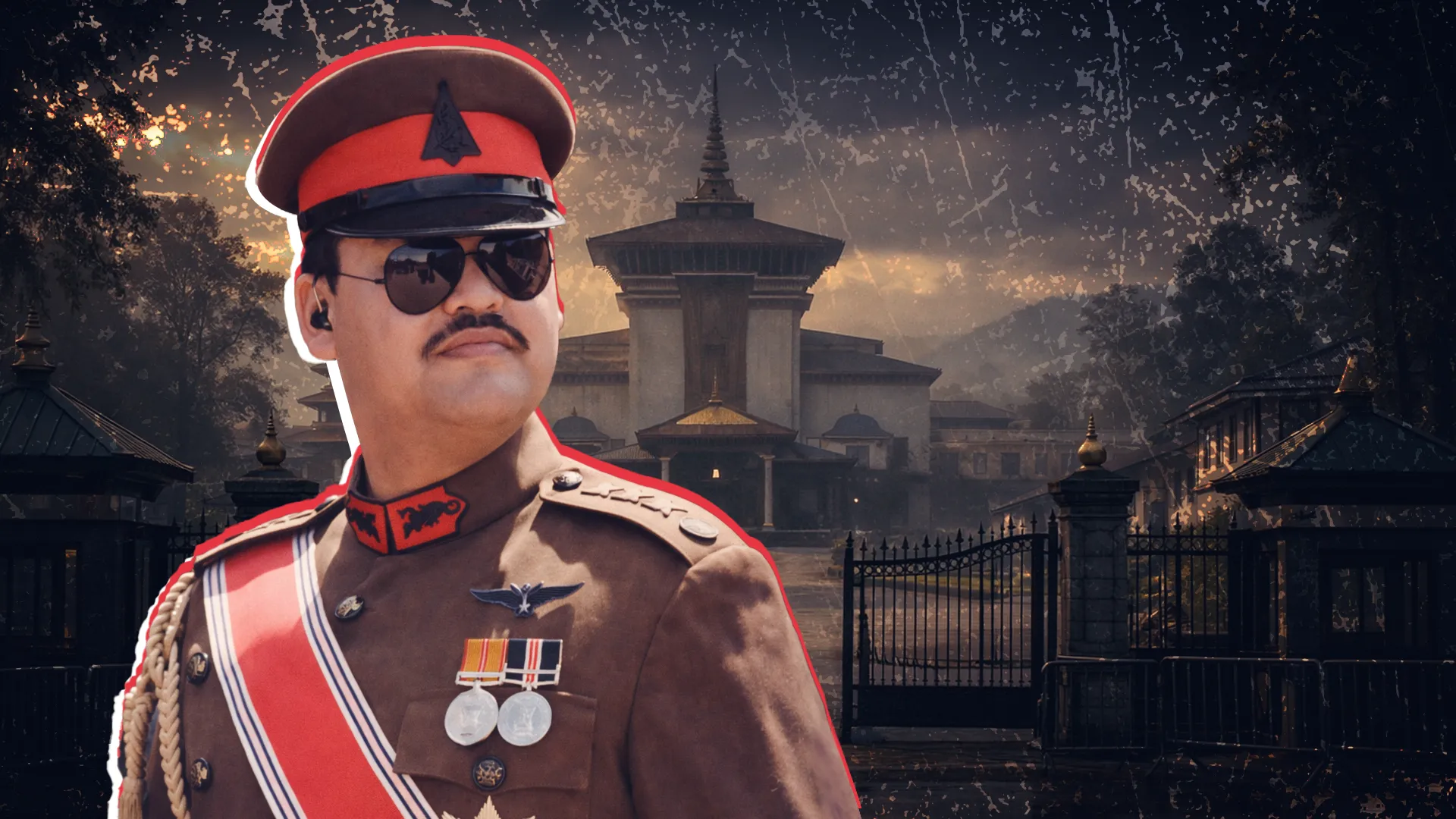
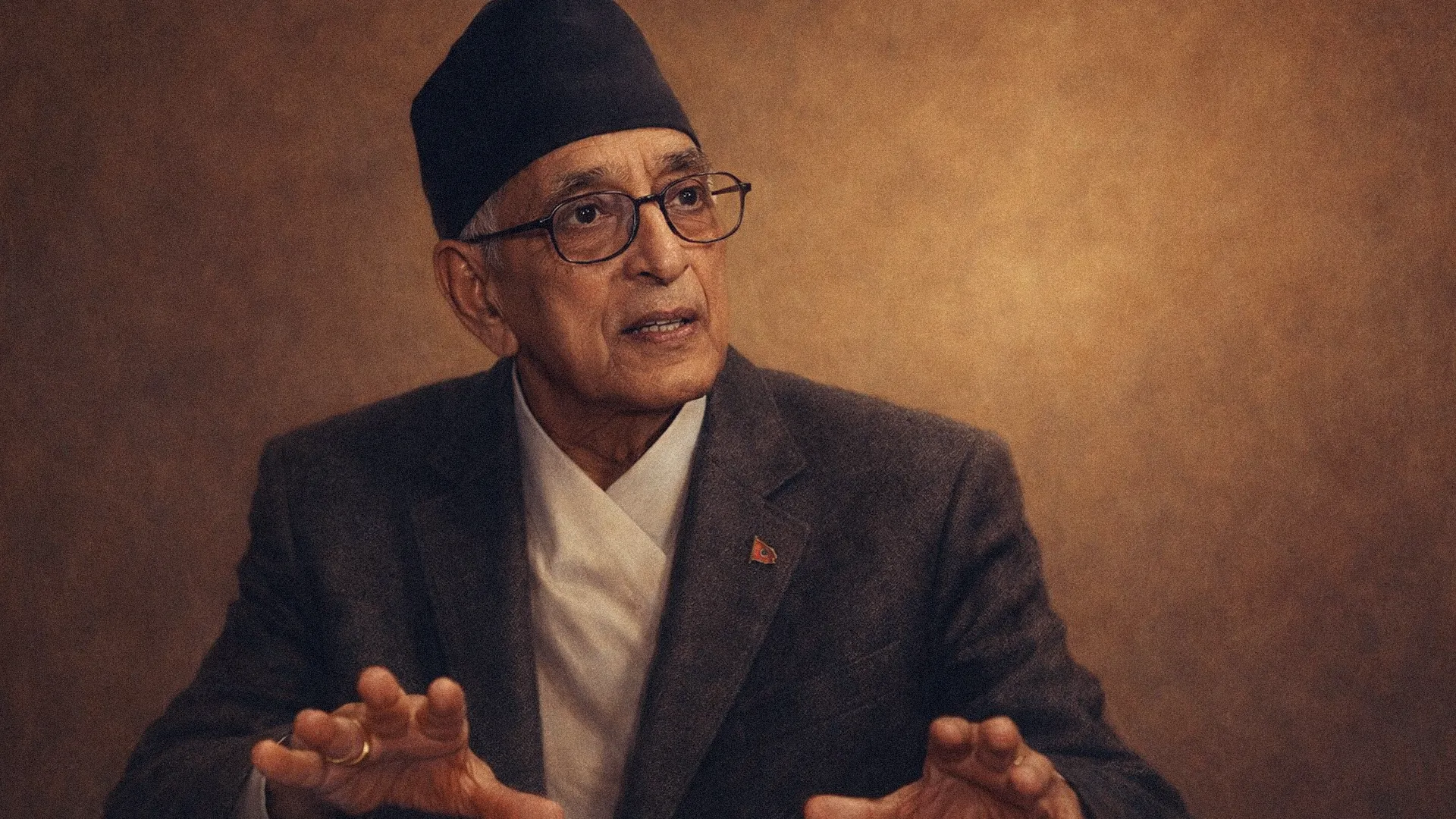
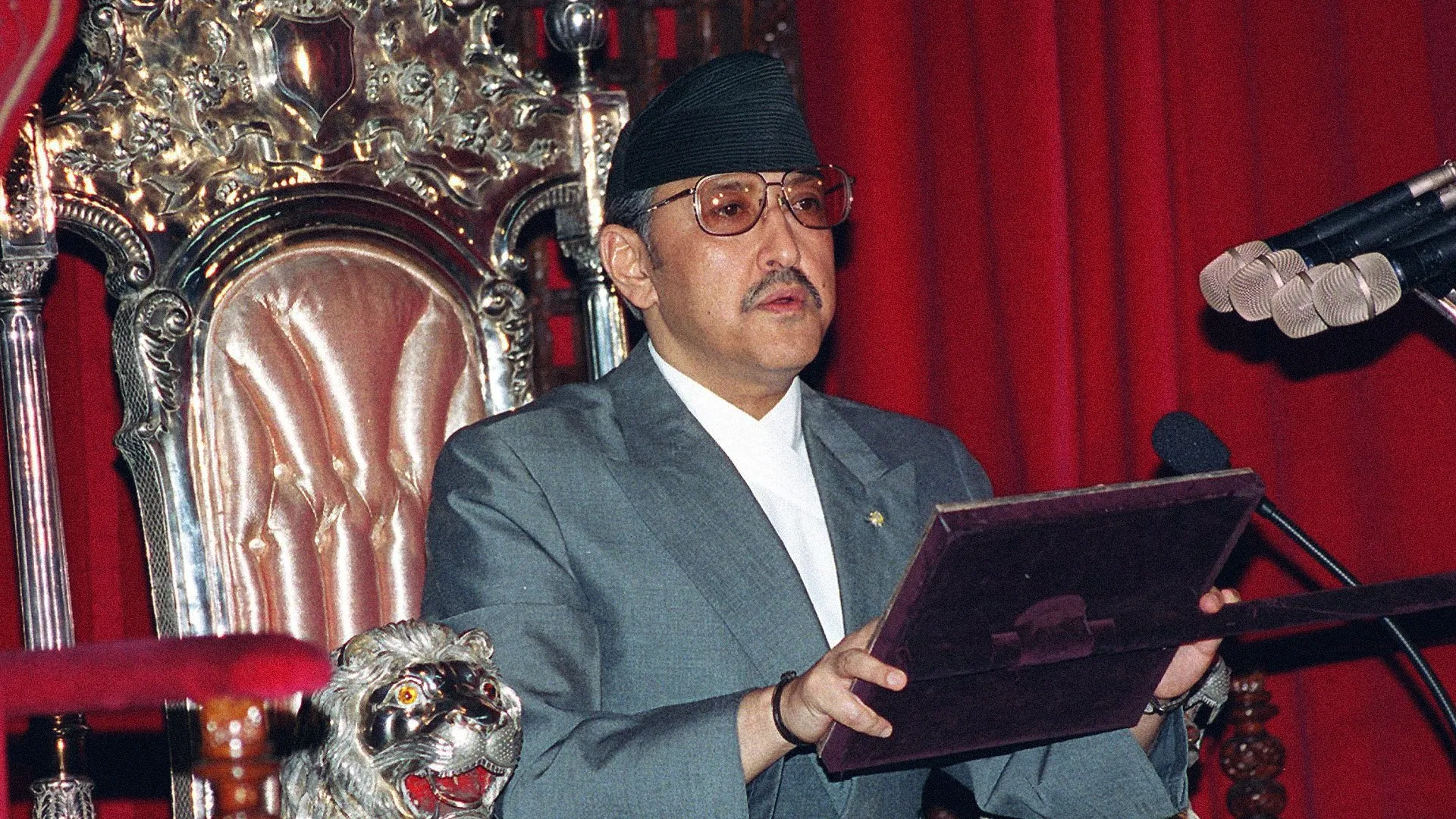
To understand the 21st-century struggle of Balochistan, one can look at the contrasting histories of the South Asian subcontinent. During the British colonial regime, both Nepal and Balochistan existed as independent entities. While Nepal successfully preserved its sovereign identity and remained independent, Balochistan faced a different destiny, being forcefully annexed by Pakistan in 1948. Today, Munir Mengal, a prominent Baloch representative at the United Nations, stands as a foremost voice for his homeland's liberation, sharing his harrowing journey of resistance, survival, and global advocacy.
From Accountant to Media Pioneer
Born in Mashkai, Mengal completed his initial education at Cadet College Mastung before moving to Karachi, where he qualified as a Chartered Accountant and established a successful corporate career. However, his life shifted permanently in 2005. Walking past the Karachi Press Club on his way to the stock exchange, he witnessed Baloch women protesting, desperately demanding the whereabouts of their forcibly disappeared loved ones.
Mengal noticed that while mainstream journalists took photos and videos, not a single line appeared in the newspapers or on television the following day. Recognizing a total state blackout of Baloch voices, he decided to establish the region's first independent satellite network, Baloch Voice TV. He traveled to Dubai, secured agreements with the transponder operator Thaicom, and set up transmission offices to record cultural and political programming across Quetta and Bahrain.
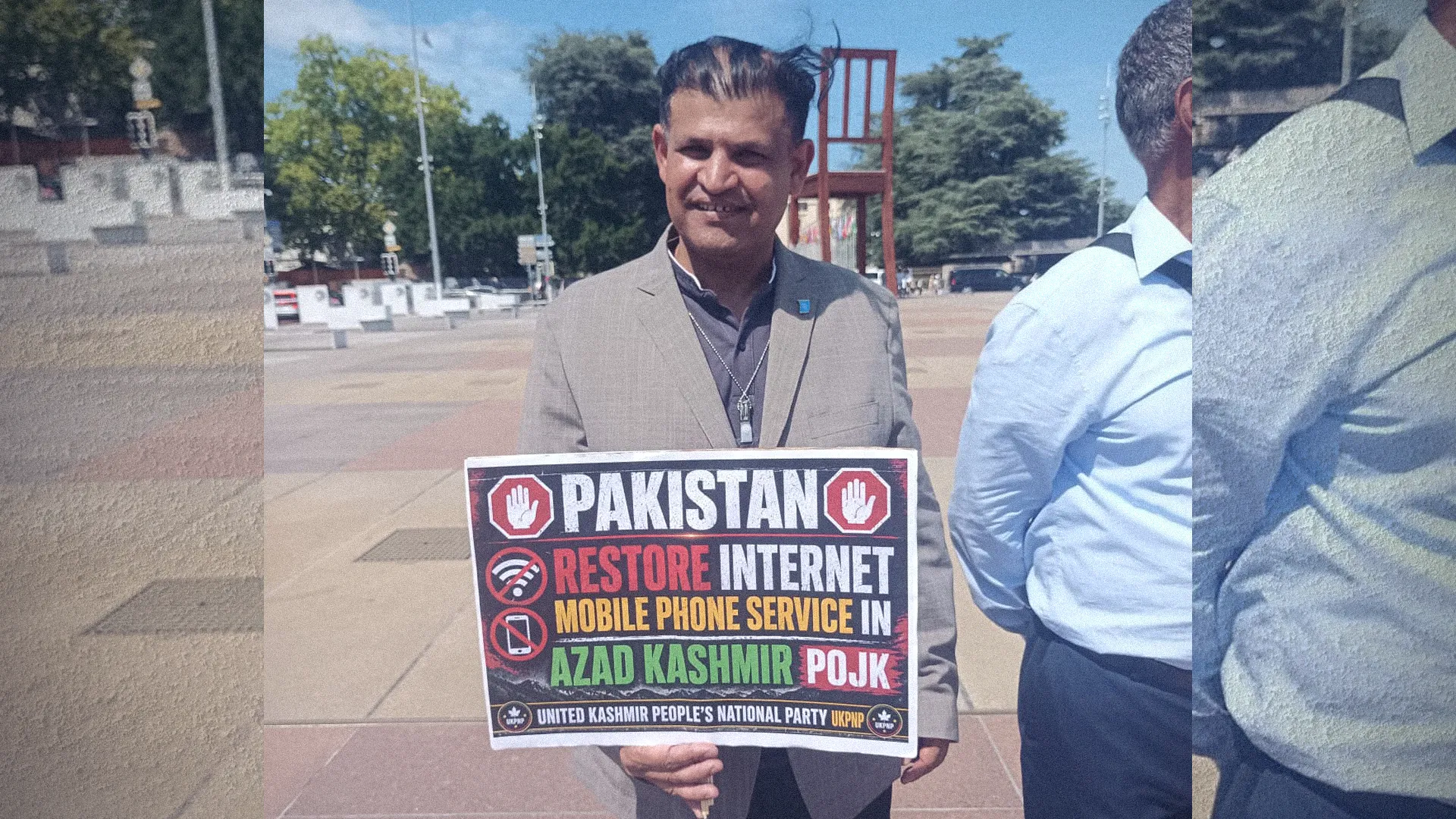
The Enforced Disappearance and Military Brutality
The state security apparatus quickly targeted his media initiative. On April 4, 2006, after returning to Karachi Airport from Bahrain, immigration authorities intercepted Mengal. His passport flagged an internal alert, and he was immediately handed over to a Military Intelligence office at the airport. By that evening, military convoys transferred him to the Karachi Malir Cantonment. At the time, Balochistan was undergoing an intense uprising following the military killing of veteran Baloch leader Nawab Akbar Bugti.
Mengal spent the next 16 months in secret, undocumented military detention cells, subjected to severe physical and psychological torture. Interrogators used calculated psychological pressure, falsely informing him that his mother had gone missing after leaving home. Five months into his detention, military officials offered him an ultimatum: join the state-backed Pakistan Muslim League faction under General Pervez Musharraf in exchange for his freedom. He refused, maintaining he was an independent professional.

Interested in this ad?
Would you like to continue to the link or provide your information for more details?
Please provide your information
To continue, please fill in your details
Nine months into his solitary confinement, the military arranged a secret meeting with his mother at a military-controlled hotel near Karachi Airport to pressure him into compliance, but both refused the state's terms. On October 26, 2006, Mengal was brought secretly to a military rest house in Karachi during an exposition, where he was directly confronted by General Musharraf. When Musharraf urged him to join the state's development process, Mengal replied critically about the military's forced control over Balochistan, cementing his return to the underground cells.
The torture escalated to extreme levels. Interrogators threatened him with a signed death warrant from Rawalpindi, forcefully marking his thumbprint onto the document before driving him blindfolded into a desert location for a mock execution. Despite facing firing squad commands and physical assaults, Mengal refused to break.
Release, Exile, and the International Campaign
As the Musharraf regime weakened and a new civilian government took over, mounting pressure from family protests, media bodies, parliament, and Supreme Court directives forced the military to surface him. He was handed over to the Khuzdar police under preventive detention laws (MPO 16 and 3) before a Balochistan High Court order eventually secured his release on May 27.
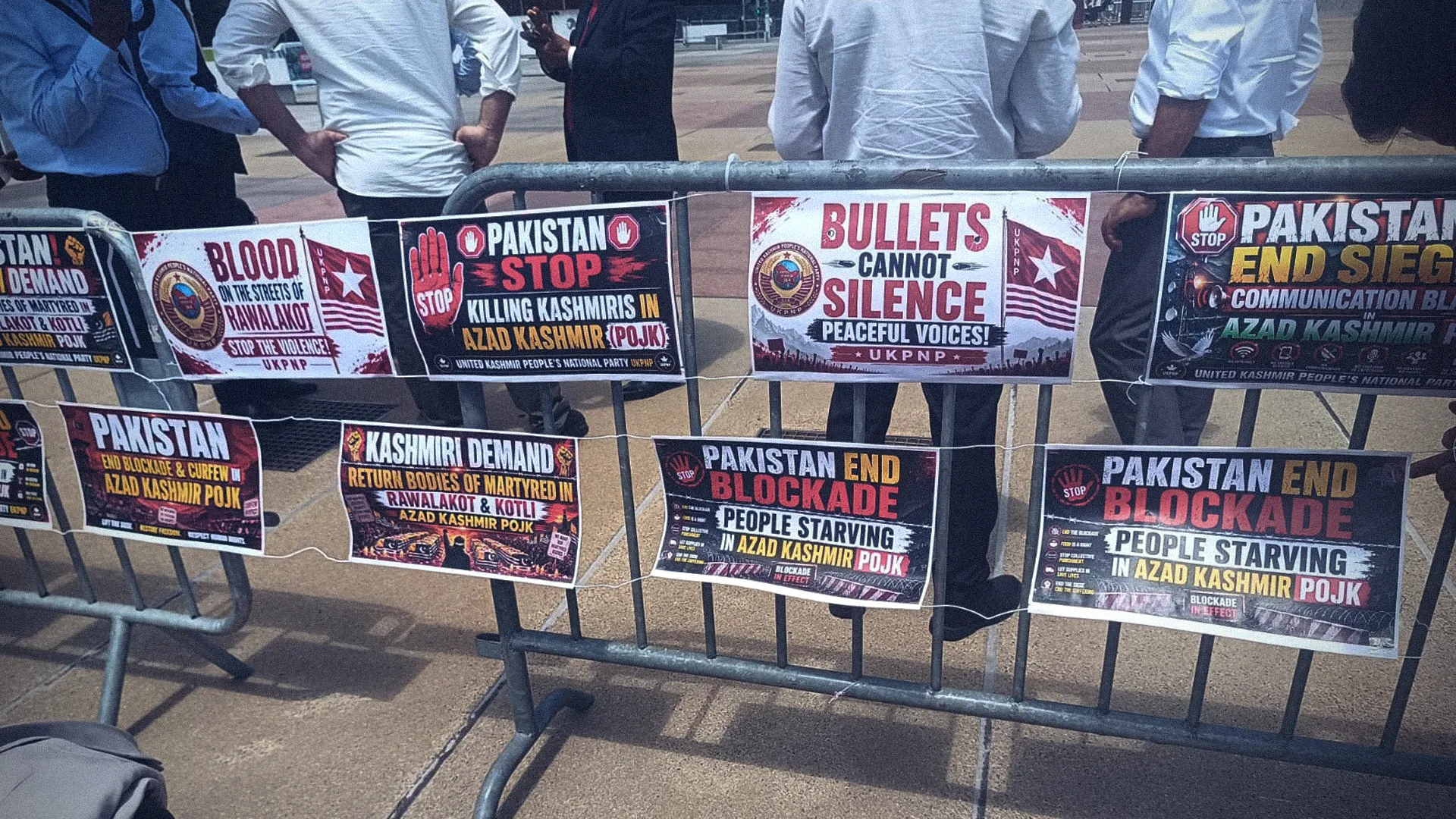
Though initially placed under house arrest, international advocacy groups intervened. Following a change in provincial administration, Mengal and 26 other Baloch political figures were removed from the Exit Control List (ECL). He quietly traveled from Turbat airport to Sharjah, where global organizations—including Human Rights Watch, the UN Refugee Agency (UNHCR), and Reporters Without Borders (RSF)—coordinated his relocation. Choosing France for its immediate recognition of his political liberty and support for media freedom, Mengal rebuilt his advocacy platform in Paris.
An Urgent Appeal for Global Intervention
Today, Mengal utilizes his platform as a UN representative to campaign against ongoing human rights violations, highlighting reports that over 40,000 Baloch individuals remain missing. He strongly condemned the recent life imprisonment sentence handed down to activist Dr. Mahrang Baloch by an Anti-Terrorism Court inside Hudda Jail, classifying the secretive trial as the work of a "kangaroo court" executing military orders.
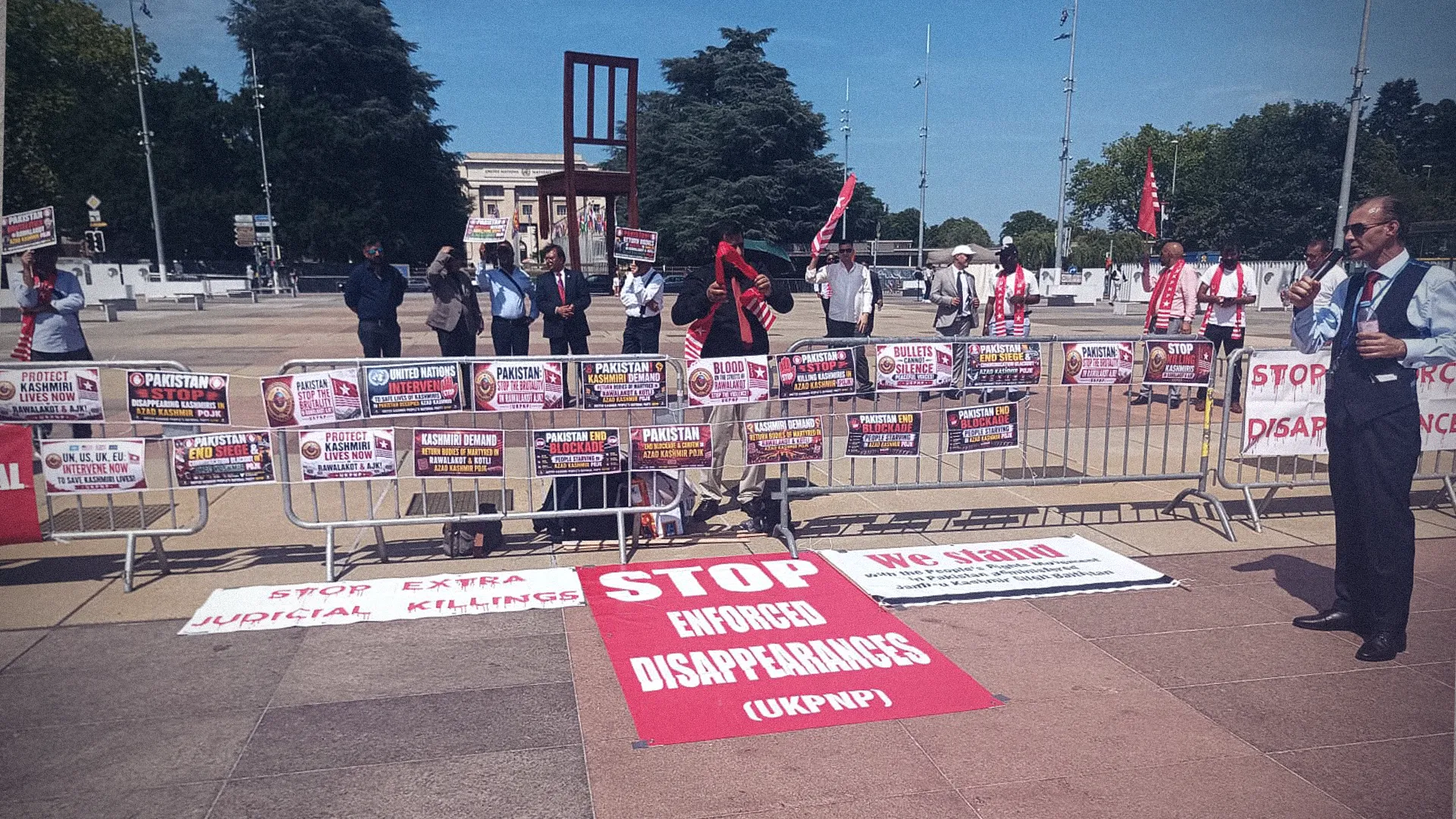
Mengal emphasizes that the political conflict between Balochistan and Islamabad can only be resolved through structured international mediation. He appeals to global citizens, specifically urging writers, professors, and political figures in Nepal, to examine the historical records of the region, understand the root causes of the occupation, and raise a collective voice for human rights and justice at international forums.