


The Rebel’s Gamble
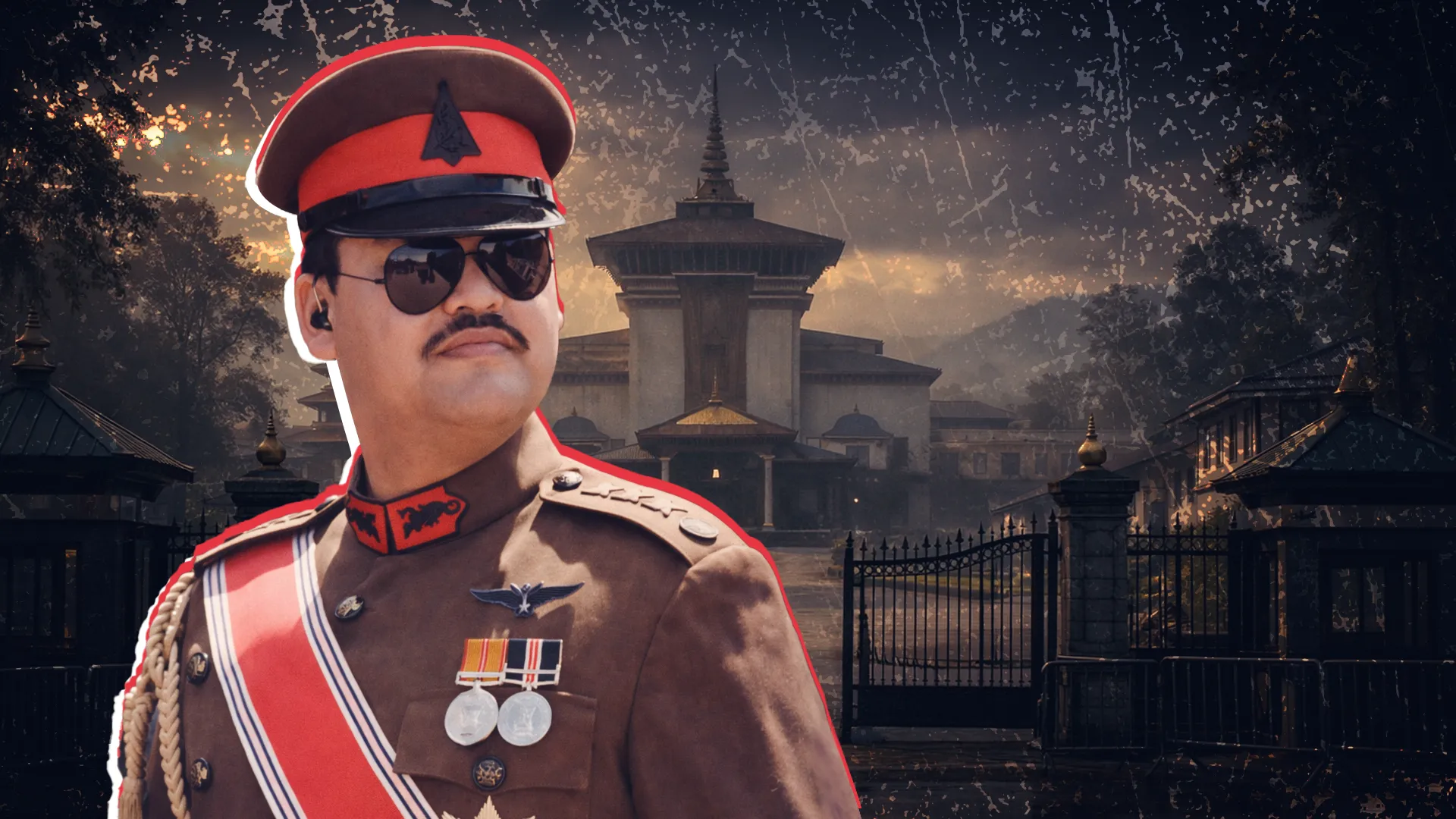
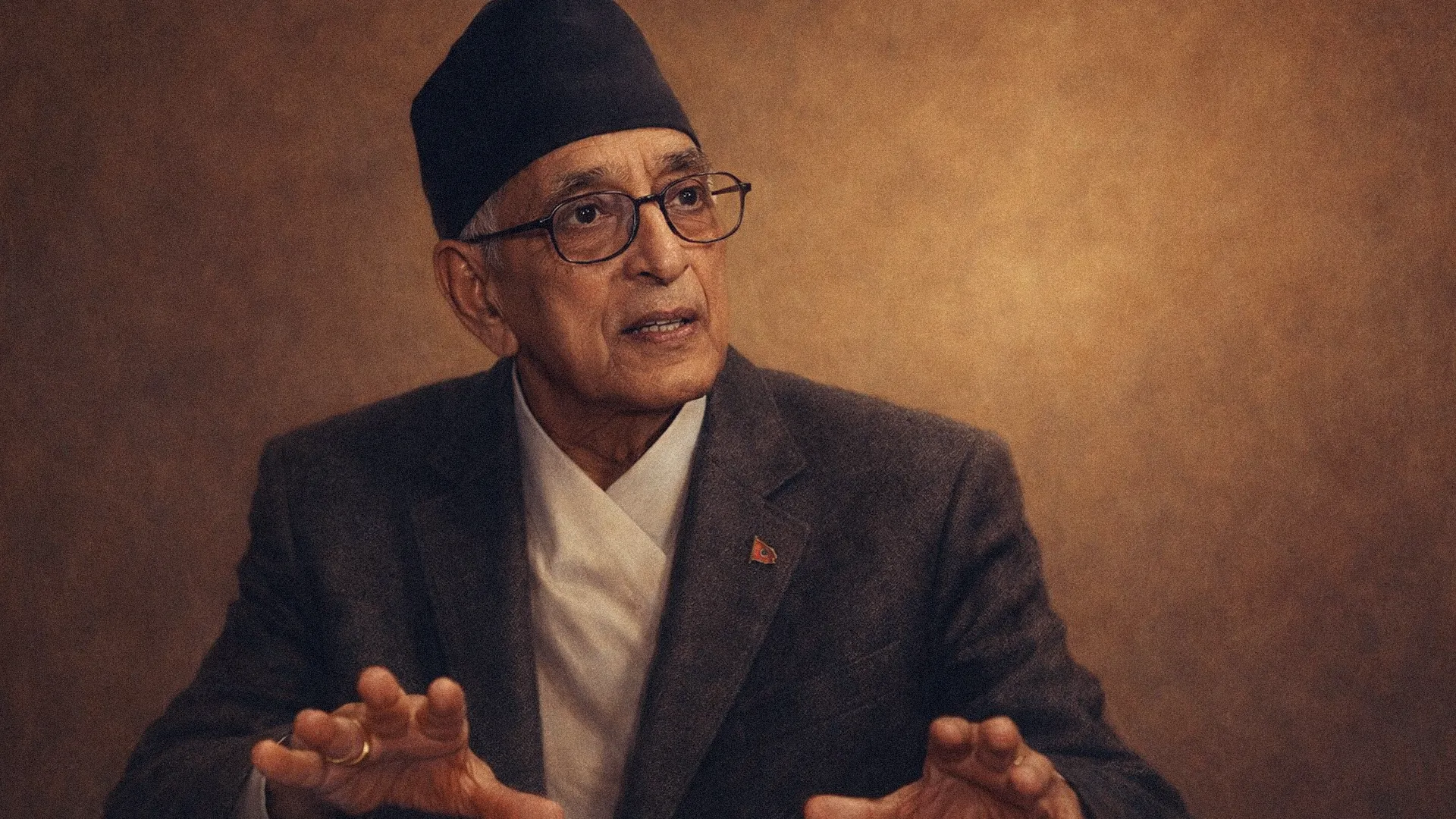
Girija Prasad Koirala, affectionately known as "Girija Babu," remains a colossal yet polarizing figure in Nepal's modern history. Born in exile in Tadi, Bihar, on July 4, 1924, Koirala was the youngest son of social reformer Krishna Prasad Koirala. While his brothers Matrika and B.P. Koirala were known for their intellect, Girija established himself as a man of action. His political journey began with the pivotal 1947 Biratnagar Jute Mill Strike, but his most audacious act occurred decades later. According to historical records, Koirala masterminded the 1973 hijacking of a Royal Nepal Airlines Twin Otter to fund the armed struggle against the Panchayat regime. This operation, which successfully looted approximately 30 lakh Indian rupees believed to belong to the Nepal Rastra Bank, stands as the only political hijacking in the nation's history, cementing his reputation as a risk-taker long before he assumed high office.
Rise to Power and the Stain of Scandal
Following the restoration of democracy in 1990, Koirala emerged from the shadow of his legendary brother, B.P. Koirala, to become Nepal’s first democratically elected Prime Minister in 32 years. His tenure began with promise, introducing economic liberalization that opened Nepal to the world. However, his administration was quickly marred by internal strife and allegations of corruption. The "Dhamija Kanda" of 1993, involving irregular appointments for the national carrier, was among the first scandals to tarnish his image. This was followed by the controversial Tanakpur Agreement with India, which the Supreme Court later ruled was a treaty requiring parliamentary ratification, contradicting Koirala's claim that it was merely an "understanding."
The "Kanda" Era and Political Infighting
Koirala’s leadership style was often described as stubborn and authoritarian, leading to deep fissures within the Nepali Congress. His conflicts with founding leaders like Ganesh Man Singh and Krishna Prasad Bhattarai became legendary; Singh famously left the party in tears due to Koirala's maneuvering. In 1994, citing non-cooperation from his own party dissidents, Koirala dissolved parliament mid-term, a move that ushered in years of political instability and minority governments. The most significant stain on his legacy came during his later terms with the "Lauda Air Kanda" in 2001. The Commission for Investigation of Abuse of Authority (CIAA) filed corruption charges regarding the irregular lease of a Boeing 767, leading the opposition to block parliament for 57 days.

Interested in this ad?
Would you like to continue to the link or provide your information for more details?
Please provide your information
To continue, please fill in your details
Tragedy and Transformation
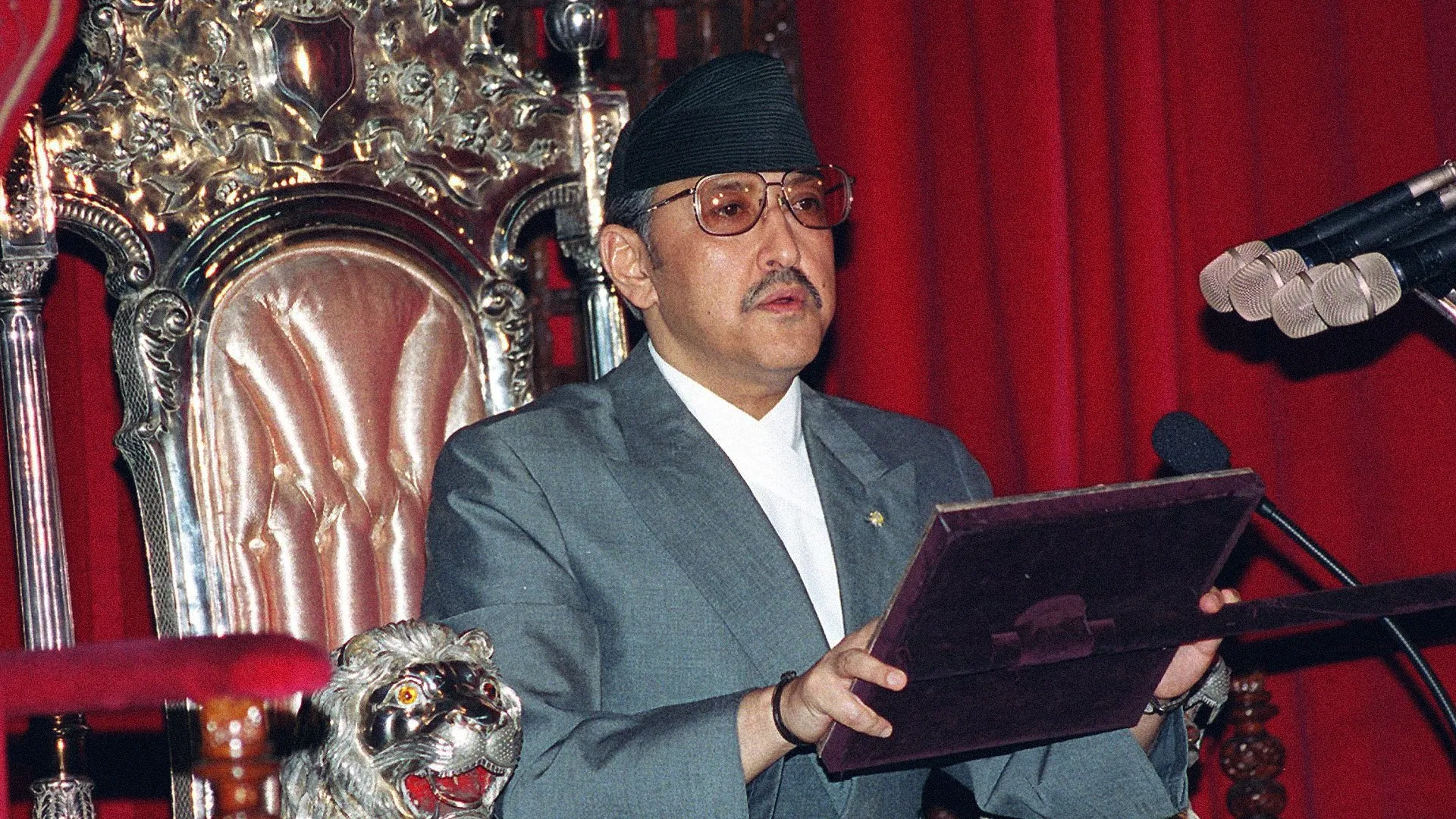
The trajectory of Koirala’s life shifted violently in June 2001 during the Royal Palace Massacre, which occurred during his premiership. While he managed to maintain state stability during the transition, the subsequent rise of King Gyanendra presented an existential threat to democracy. When the King seized absolute power in 2005, dismissing the government, Koirala underwent a dramatic political transformation. The staunch anti-communist traveled to New Delhi to sign the historic 12-Point Agreement with Maoist leader Prachanda. This strategic alliance between parliamentary forces and the Maoist rebels proved to be the death knell for the monarchy.
The Lion in Winter
In his final years, an aging and frail Koirala, often dependent on oxygen support, led the 2006 Jana Andolan II (People's Movement) that forced the King to capitulate. Serving as the interim Head of State, he presided over the first Constituent Assembly meeting in 2008 that declared Nepal a republic. Despite the corruption allegations that dogged his career, this final act earned him the moniker "Mahamanav" (Great Human) among supporters for ending the decade-long civil war and steering the peace process. His personal life was equally complex; a single father following the tragic death of his wife Sushma in a fire accident in 1967, he faced heavy criticism for promoting his daughter, Sujata Koirala, to high office, a move seen by many as placing dynasty above democracy.
A Complicated Exit
Girija Prasad Koirala died on March 20, 2010, leaving behind a nation that had been fundamentally reshaped by his decisions. His funeral was one of the largest witnessed in Kathmandu, reflecting the deep impact he held over the public consciousness. History remembers him as a contradictory figure: the "guardian" who saved the nation from disintegration and the "corrupt captain" who institutionalized political patronage. Ultimately, his legacy serves as a testament to the ruthless pragmatism often required to navigate the volatile currents of Himalayan politics.