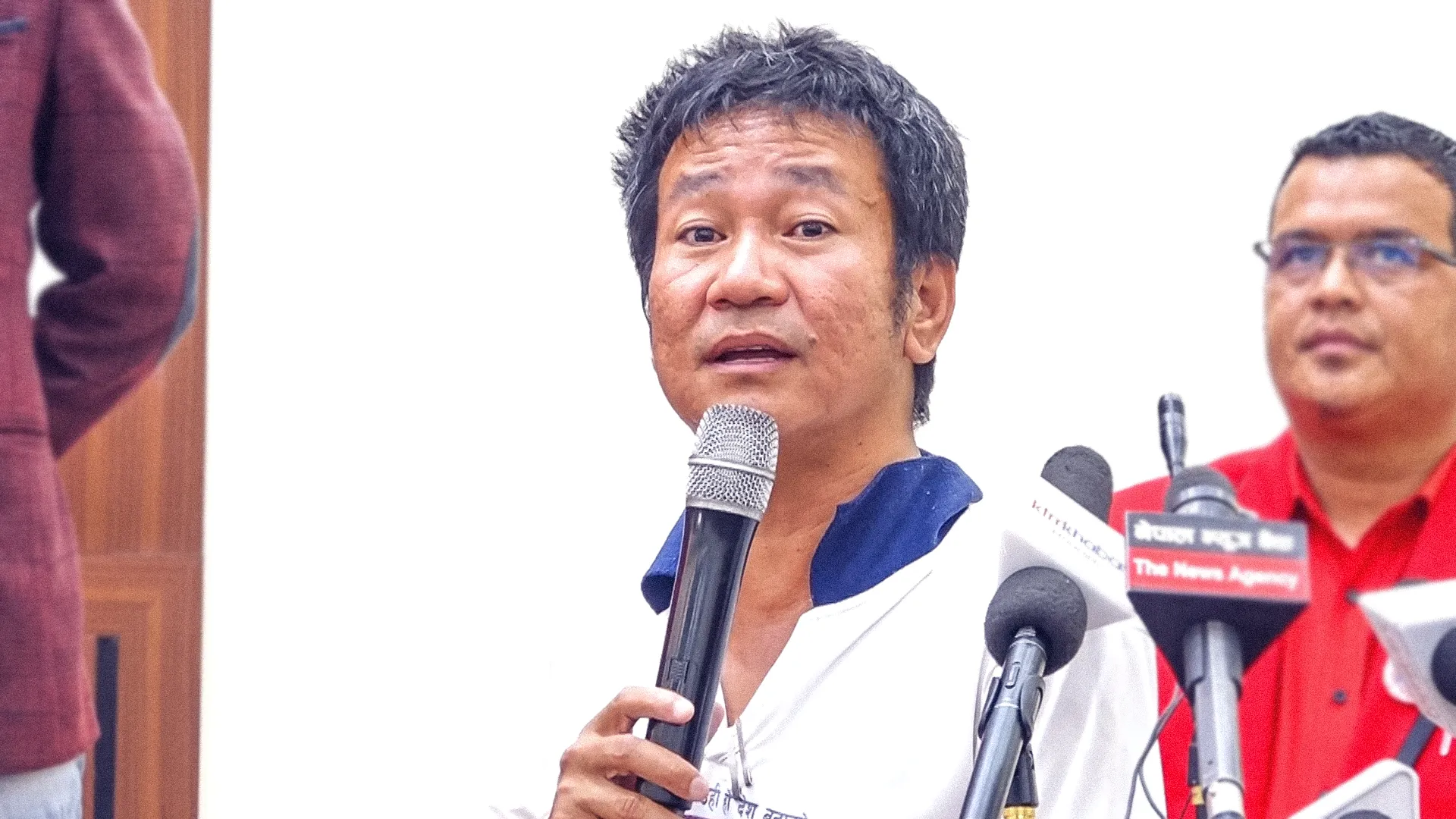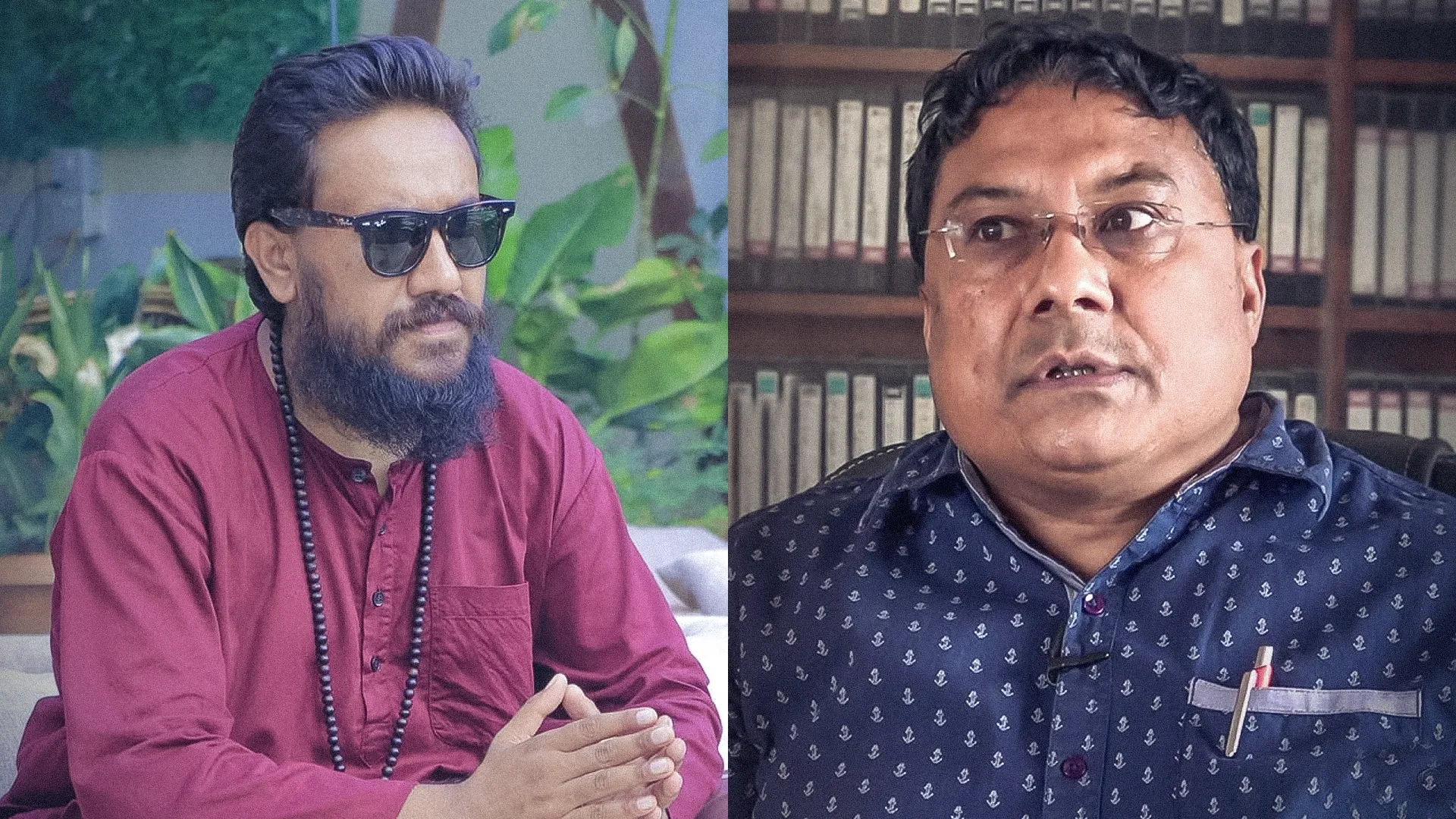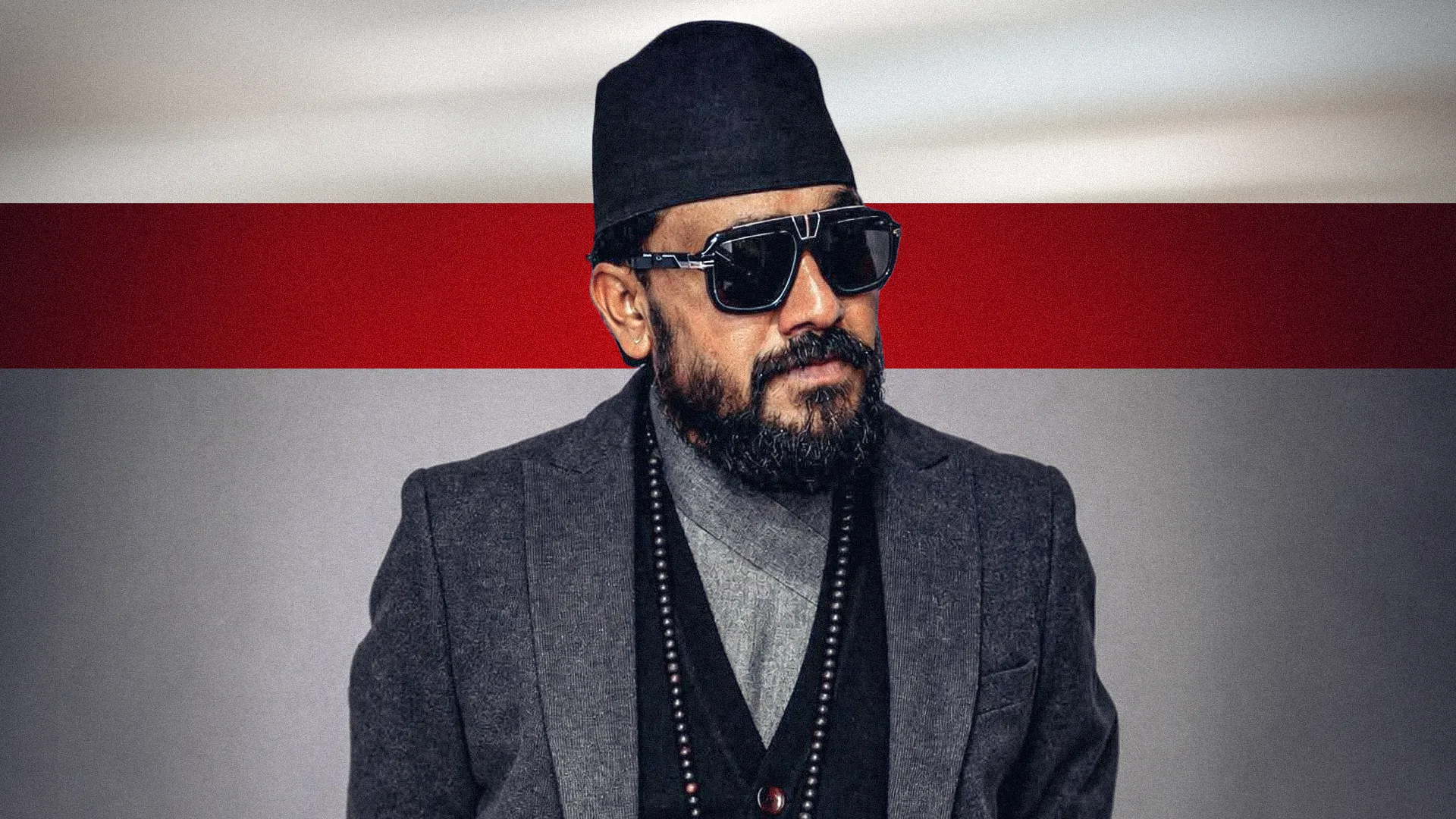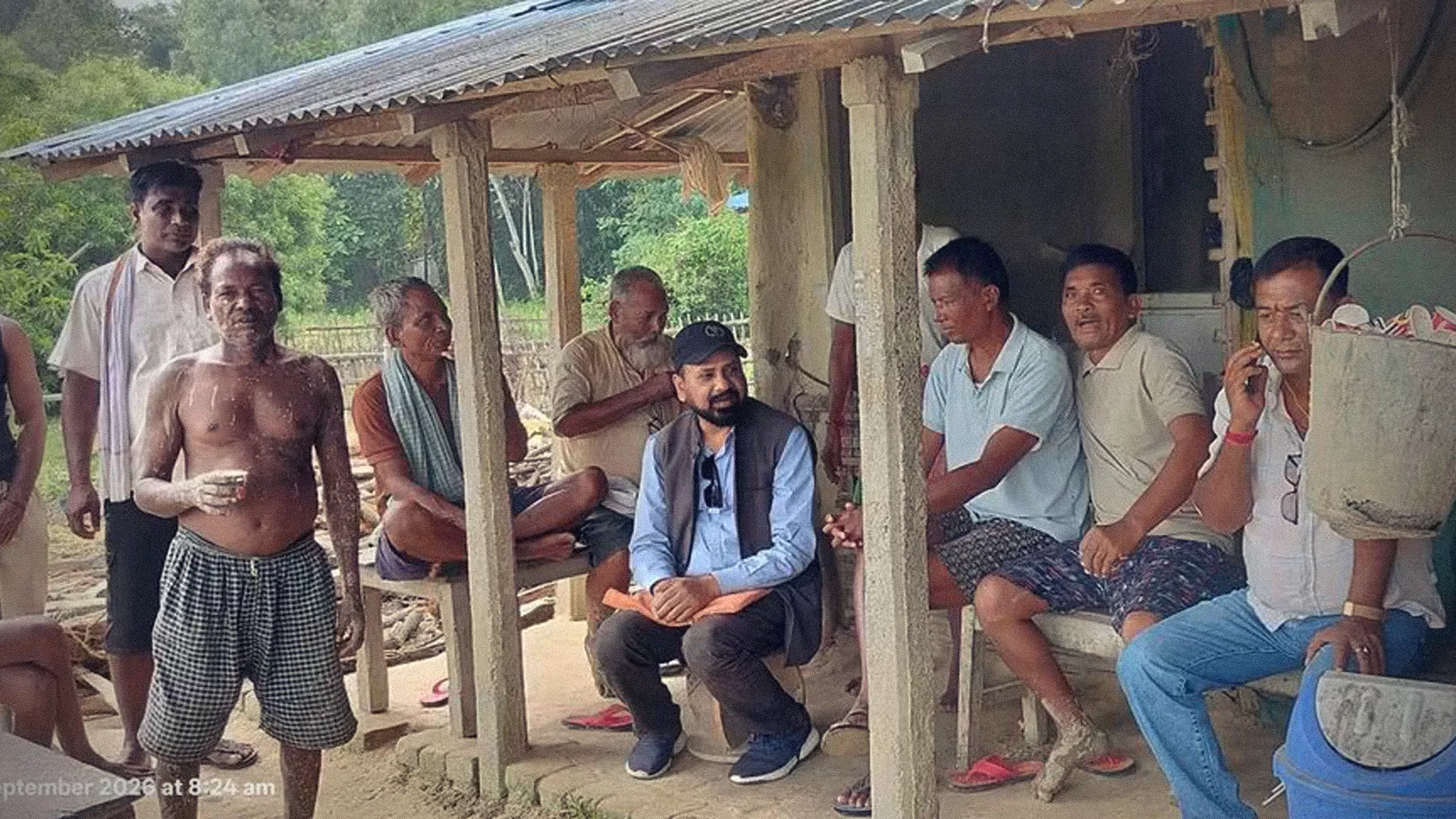




With the conclusion of the 2082 BS elections, the Rastriya Swatantra Party (RSP) seems almost certain to secure a two-thirds majority. Piercing through the extreme public frustration towards traditional political parties, this unprecedented mandate given by the people has propelled the new political stream to the highest peak of state power. However, having reached parliament riding the election 'wave', this force is now showing signs of falling into the severe traps of internal management issues, political immaturity, and factionalism.
Along with this historic success, the seeds of individualistic character and divisive mentality—which typically plague old parties—have begun to sprout within the party. Currently, three distinct 'clubs' and 'core teams' have become visibly active within this alternative force. There is a risk that these groups will promote the practice of monopolizing strategic and financial decisions, deifying their faction leaders, and demonizing their competitors. Kulman Ghising, former Managing Director of the Nepal Electricity Authority and a minister following the Gen-Z movement, also joined this party and subsequently left; had he stayed, a situation for another faction under his leadership would have been created.
The three main factions and core teams seen within RSP:
|
Faction Name |
Ideological Center |
Key Core Team Members |
|
Balen Faction |
Balendra Shah |
Kumar Ben, Bhupdev Shah, Ganesh Karki |
|
Rabi Club |
Rabi Lamichhane |
Deepak Bohora, Kavindra Burlakoti, Lima Adhikari, DP Aryal |
|
Swarnim Club |
Swarnim Wagle |
Manish Jha, Shishir Khanal |
Fish in Muddy Water and the Risk of Immature Leadership

Interested in this ad?
Would you like to continue to the link or provide your information for more details?
Please provide your information
To continue, please fill in your details
This current public wave, nearing a two-thirds majority, can be compared to a fisherman's net thrown into a muddy river during a flood. Although the net is extremely heavy and has made everyone excited, it hasn't only caught edible fish; snakes and other poisonous aquatic creatures have also been dragged in along with them. Immature youths, who until a few years ago could not even make basic decisions like whether to marry while drinking in Kathmandu restaurants and had no clear plans for their future, have become lawmakers on the strength of this very wave. Those who had no roadmap for their own lives yesterday reaching powerful positions to exercise the people's sovereign rights in the sovereign parliament today is highly risky for both the party and the entire country.
Clash of Egos and the Need for a 'Firewall'
If the potential growing personal clashes and egos among Rabi, Balen, and Swarnim are not managed in time, this force is on the verge of shattering into pieces by the next election. The battle of egos, where leaders cannot accept each other's existence, could bring a state of violent infighting within the party. To prevent this disaster, a normal 'Antivirus' will no longer work; to save the institution, an impenetrable and secure 'Firewall' must be built.
To manage this, the operation of the party must be strictly bound by rules, systems, and a rigid constitution. To make the decision-making process transparent, a clear 'Flowchart' and 'Algorithm' of the institutional structure must be prepared and 'Coded' into performance execution. If the representatives who won riding the wave but lack political acumen are not brought into the scope of continuous discussion and ideological training for institutional strengthening, this massive net of public mandate will soon tear apart, washing all the people's hopes down the river.