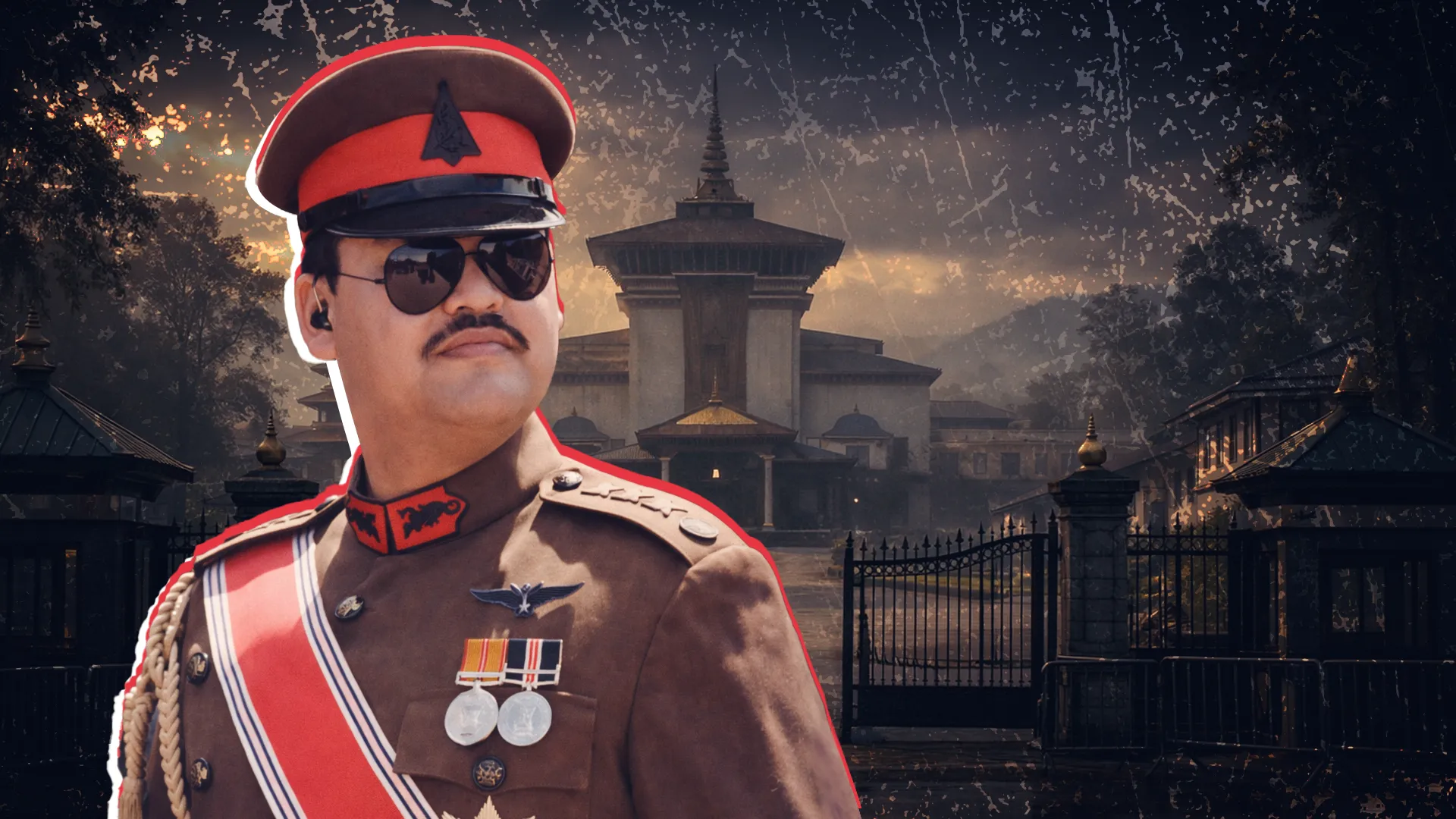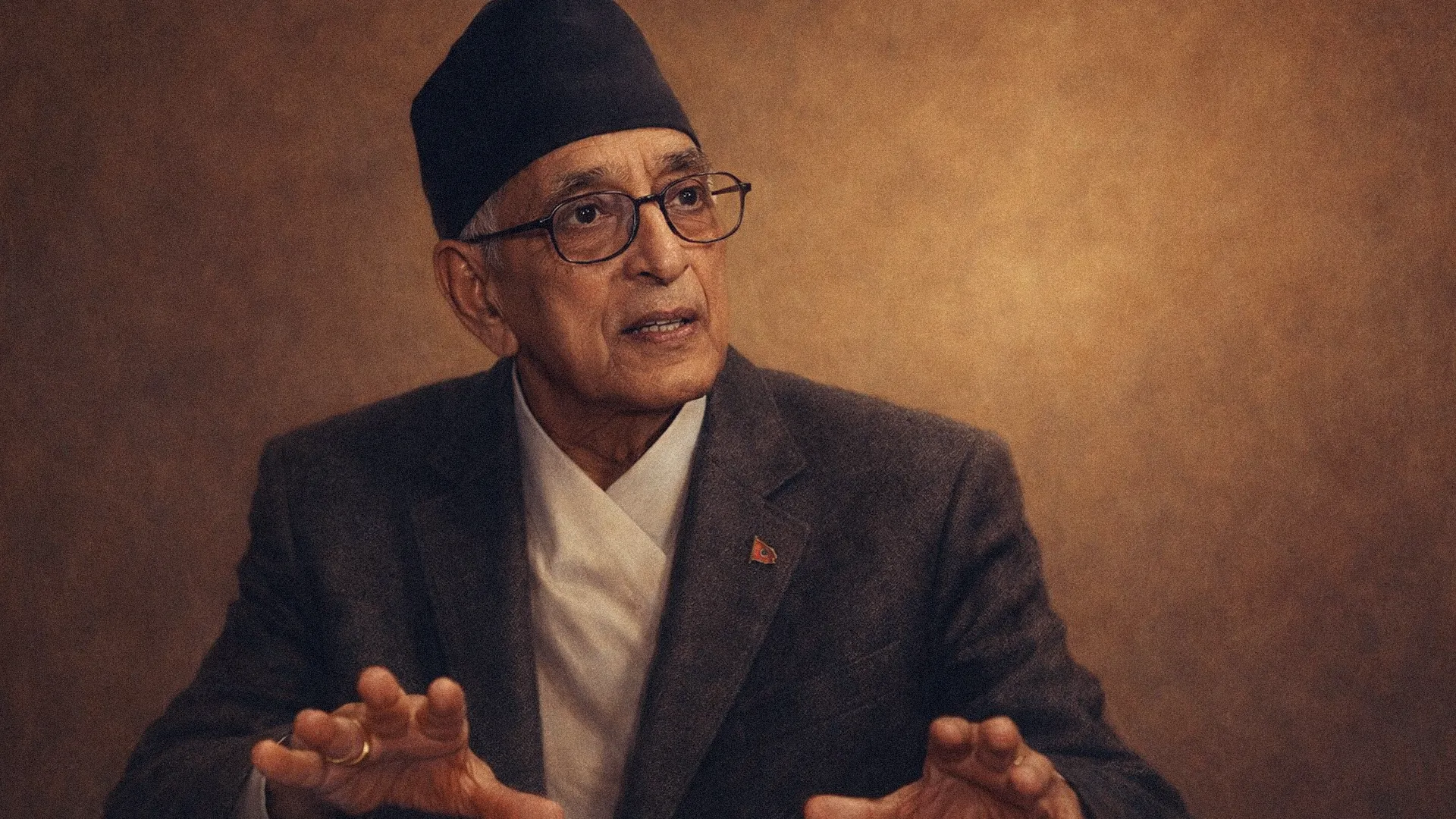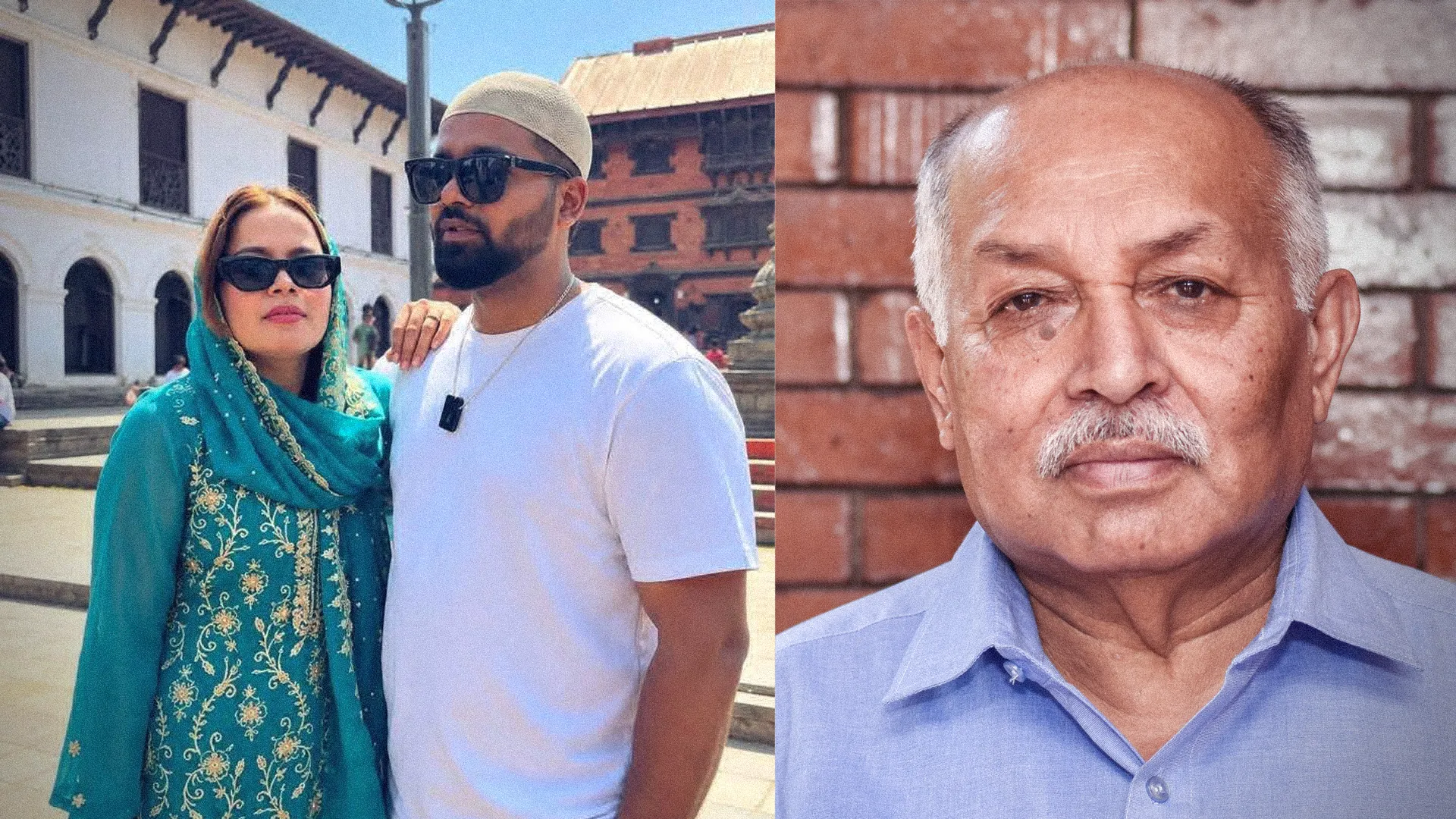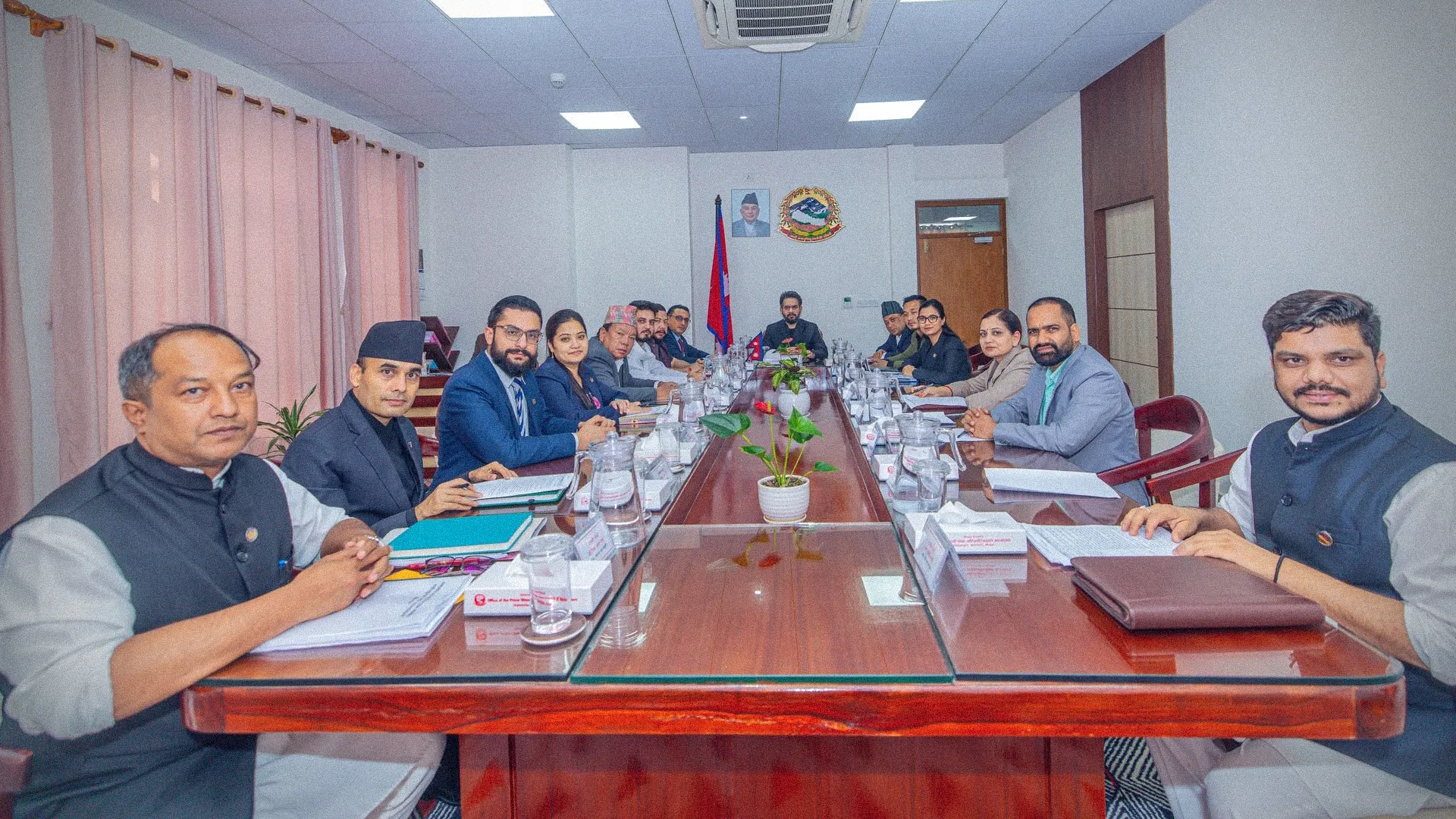



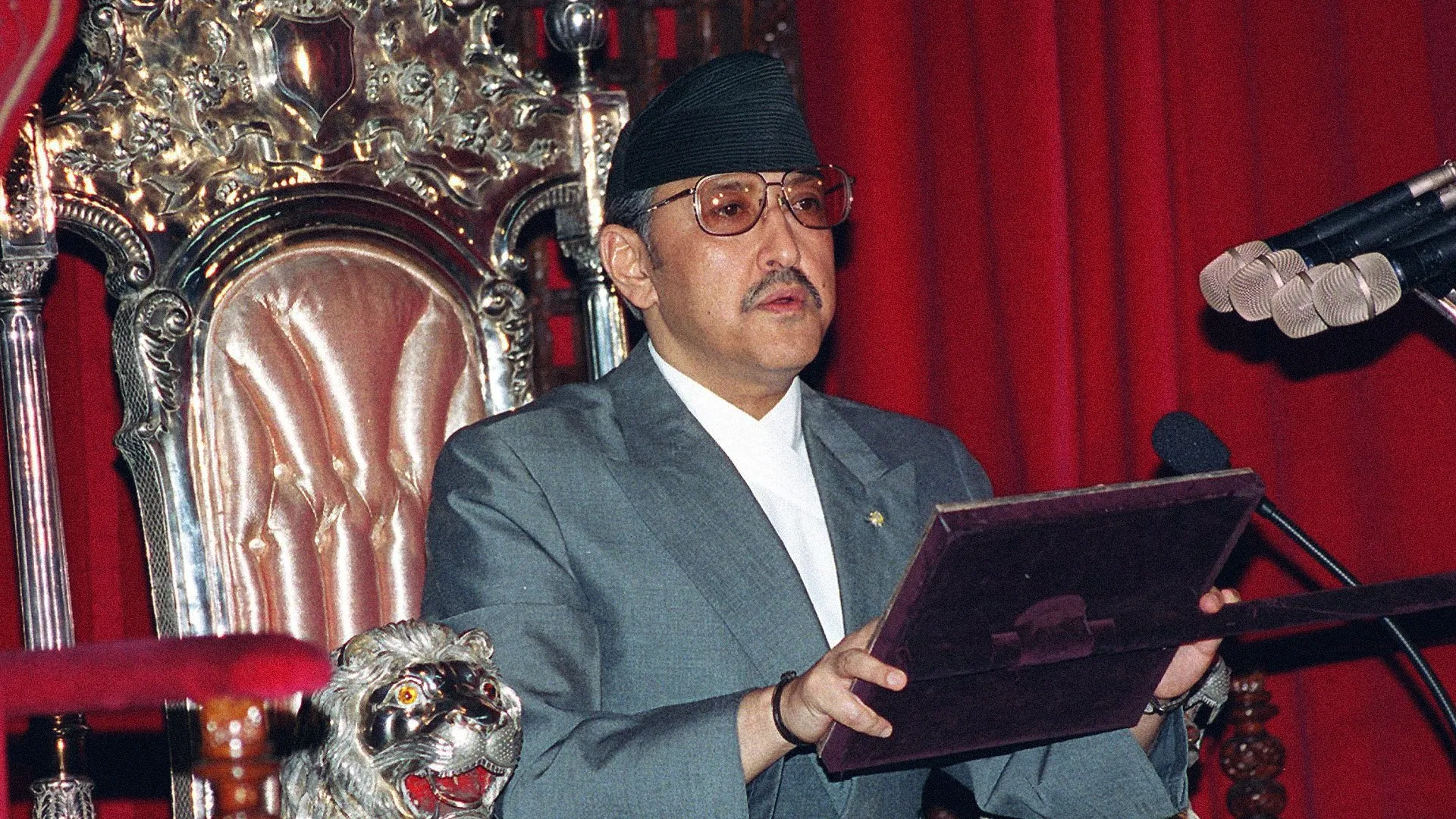
King Birendra Bir Bikram Shah Dev, the 10th monarch of the Shah Dynasty, stands as a pivotal figure in Nepal's transition from feudal autocracy to constitutional democracy. Born on December 28, 1945, at the Narayanhiti Royal Palace, Birendra was groomed for leadership differently than his predecessors. Unlike the rigid, traditional upbringing of his father, King Mahendra, Birendra was a global student who attended St. Joseph’s College in Darjeeling, Eton College in the United Kingdom, the University of Tokyo, and finally Harvard University, where he studied political theory. This Western exposure cultivated a liberal worldview that would later define his reign. Known for travelling incognito to remote villages to understand the "real" state of his nation, he ascended the throne in 1972 at the age of 27 with a vision to modernize Nepal.
A Zone of Peace and Development
During his formal coronation in 1975, a glittering event attended by world leaders, King Birendra announced his flagship foreign policy initiative: declaring Nepal a "Zone of Peace." This ambitious proposal aimed to establish Nepal as a neutral buffer between its giant neighbors, India and China, reflecting his adherence to the "yam between two boulders" doctrine. Domestically, he sought to decentralize development by dividing the country into five "Development Regions," frequently visiting infrastructure projects to ensure progress reached beyond the Kathmandu Valley. However, his reign was not without challenges. Following student protests in 1979, he took the unprecedented step of holding a national referendum in 1980 to choose between the party-less Panchayat system and a multi-party system. Although the Panchayat system won by a narrow margin, Birendra introduced significant reforms, including direct elections to the legislature.
The Transition to Democracy
The defining moment of Birendra’s political life arrived in April 1990. Facing the massive "Jana Andolan I" (People's Movement) and a crippling economic blockade imposed by India, the King was urged by hardliners to deploy the military to crush the protests. In a move that cemented his legacy as a "People's King," he refused to sanction violence against his own citizens. Instead, late on the night of April 8, 1990, he met with opposition leaders and agreed to lift the ban on political parties. By promulgating a new constitution, he voluntarily transformed from an absolute ruler into a Constitutional Monarch, effectively stripping himself of supreme power to save the nation from further bloodshed.
Internal Conflicts and the Maoist Crisis

Interested in this ad?
Would you like to continue to the link or provide your information for more details?
Please provide your information
To continue, please fill in your details
Despite his popularity, Birendra’s reign faced significant internal strife. The "Carpet Scandal" of the 1970s, involving the over-invoicing of exports by palace officials, tarnished the "clean" image of his secretariat, although the King himself was not directly implicated. In the late 1990s, as the Maoist insurgency gained ground, Birendra clashed with the elected government. He repeatedly refused Prime Minister Girija Prasad Koirala's requests to mobilize the Royal Nepal Army against the rebels, arguing that the military should not be used to kill fellow Nepalis. Critics argue this hesitation allowed the insurgency to grow, while supporters view it as his steadfast commitment to peace. Furthermore, public perception often contrasted him with Queen Aishwarya, who was viewed as a hardliner, creating a "Good King, Bad Queen" narrative that protected Birendra’s personal popularity.
The Royal Massacre
The trajectory of the monarchy came to a violent and tragic end on the night of June 1, 2001. During a regular family dinner at the Narayanhiti Palace, King Birendra was shot dead along with Queen Aishwarya, Prince Nirajan, Princess Shruti, and five other royals. The official High-Level Investigation Committee concluded that the perpetrator was the King’s own son, Crown Prince Dipendra. Fueled by alcohol and drugs, Dipendra reportedly opened fire with an MP5 submachine gun and an M16 rifle following a bitter family dispute over his desire to marry Devyani Rana, a match the Queen opposed due to lineage issues. Dipendra shot himself and died three days later, leaving the nation in shock and paving the way for Birendra’s brother, Gyanendra, to ascend the throne.
An Enduring Legacy
Decades after his death, King Birendra remains a figure of deep nostalgia in Nepal, often remembered as a martyr who prioritized his country's sovereignty and peace above his own power. The public refusal to accept the official "son killed father" narrative has kept conspiracy theories alive, with many believing he was eliminated due to geopolitical interests. While the monarchy was abolished in 2008 and many royal statues were toppled, recent years have seen a resurgence of respect for Birendra. Public initiatives to re-erect his statues in cities like Nepalgunj and Surkhet symbolize a collective longing for the stability and dignity he represented. Ultimately, his legacy is that of a "gentleman monarch" whose death marked the beginning of the end for the 240-year-old Shah dynasty.