


PARIS / QUETTA — The Baloch Voice Association (BVA) has published a detailed report examining the escalating human rights crisis, political marginalization, and enforced disappearances across Pakistan's Balochistan province. Headed by Munir Mengal, the Paris-based organization presented documentation drawing from international human rights bodies, local organizations, and field data to detail state repression in the resource-rich region.
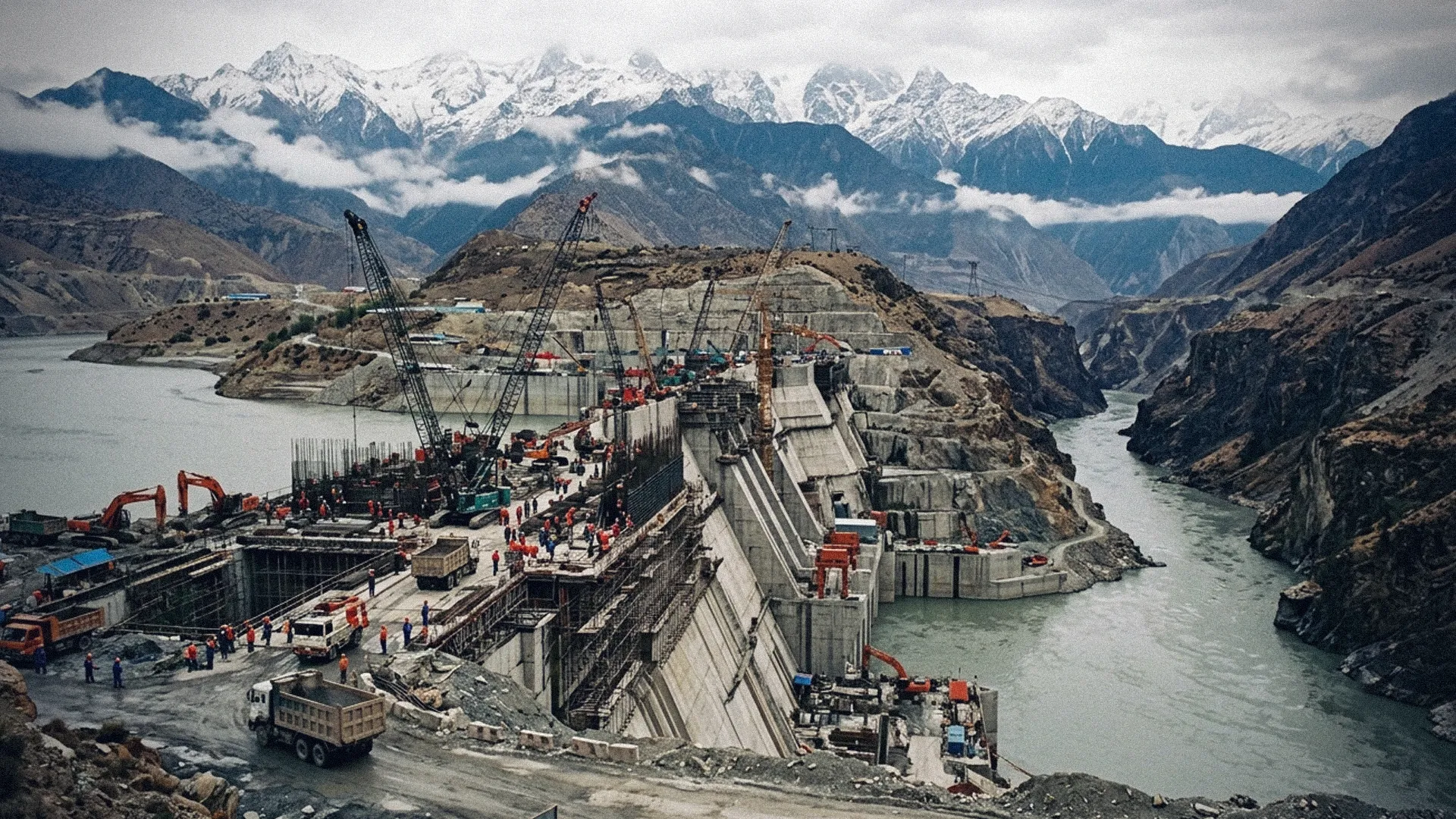
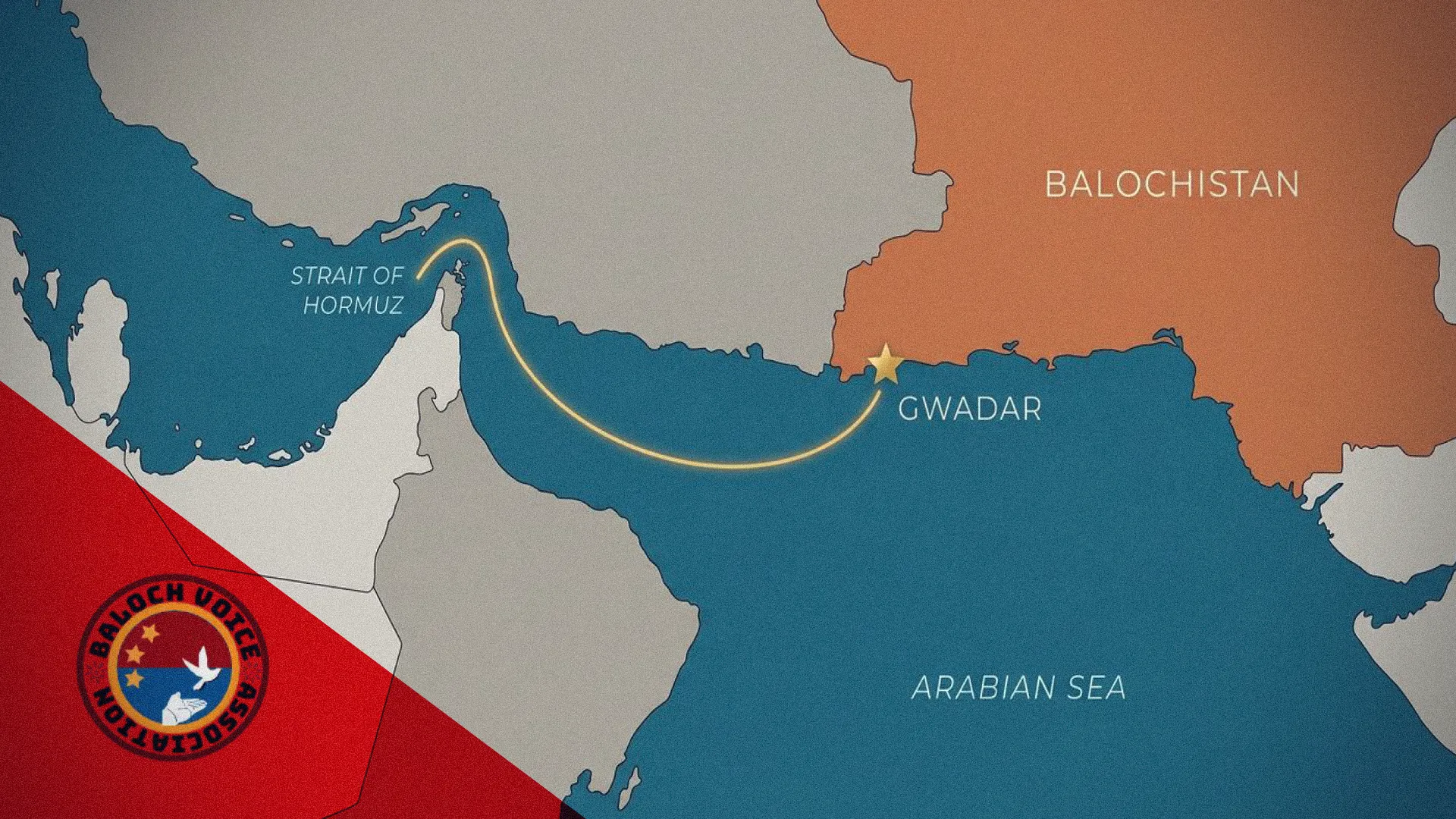
According to the report, the roots of the conflict trace back to the incorporation of the princely state of Kalat in 1948. Despite possessing vast reserves of natural gas, oil, copper, and gold, Balochistan remains Pakistan's most impoverished province. Activists allege that projects like the $60 billion China-Pakistan Economic Corridor (CPEC) and Gwadar Port development primarily benefit external interests while marginalizing local communities and fishing populations.
The humanitarian situation remains severe, characterized by systemic enforced disappearances and extrajudicial killings. Figures cited in the report include official records from Pakistan's Commission of Inquiry on Enforced Disappearances showing 2,752 cases in the province, while local human rights activists estimate over 18,000 missing persons since 2001. In the first six months of 2025 alone, BVA cataloged 885 enforced disappearances and 121 killings.

Interested in this ad?
Would you like to continue to the link or provide your information for more details?
Please provide your information
To continue, please fill in your details
Civil rights movements and peaceful dissent have faced intense crackdowns by state authorities. In June 2026, prominent Baloch Yakjehti Committee (BYC) leader Dr. Mahrang Baloch and fellow activist Sibghatullah Shah were sentenced to life imprisonment by an anti-terrorism court in Quetta. Other activists, including Sammi Deen Baloch and Bebarg Zehri, remain in detention or face continuous legal harassment under anti-terrorism and public order regulations.
Freedom of expression has similarly deteriorated. Reports from media watchdogs indicate that press freedom in the province has severely declined, with journalists facing intimidation, physical violence, and prosecution under the Prevention of Electronic Crimes Act (PECA). Highlighting virtual martial law conditions, the BVA has called on international organizations and the United Nations to address the ongoing crisis.