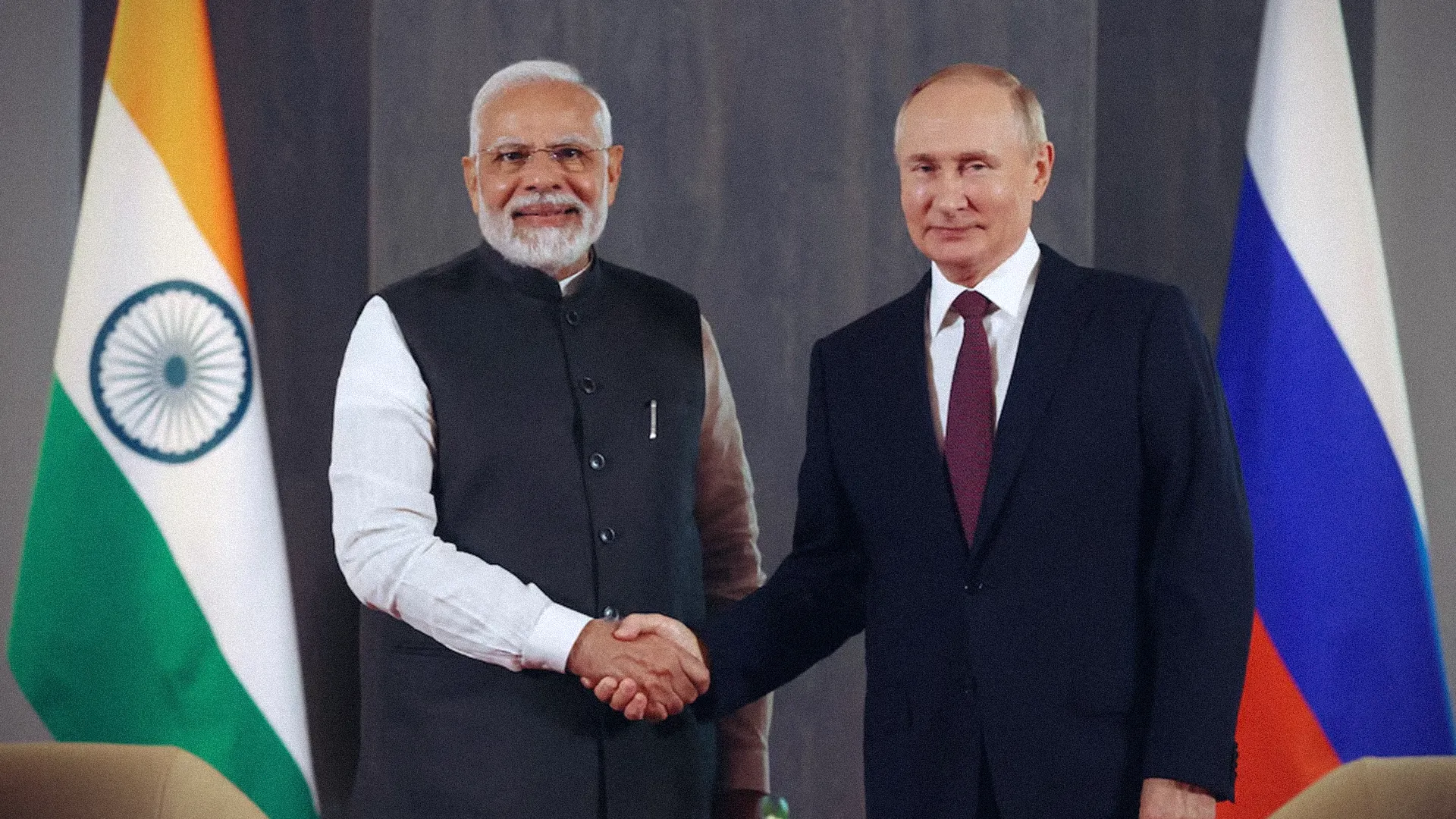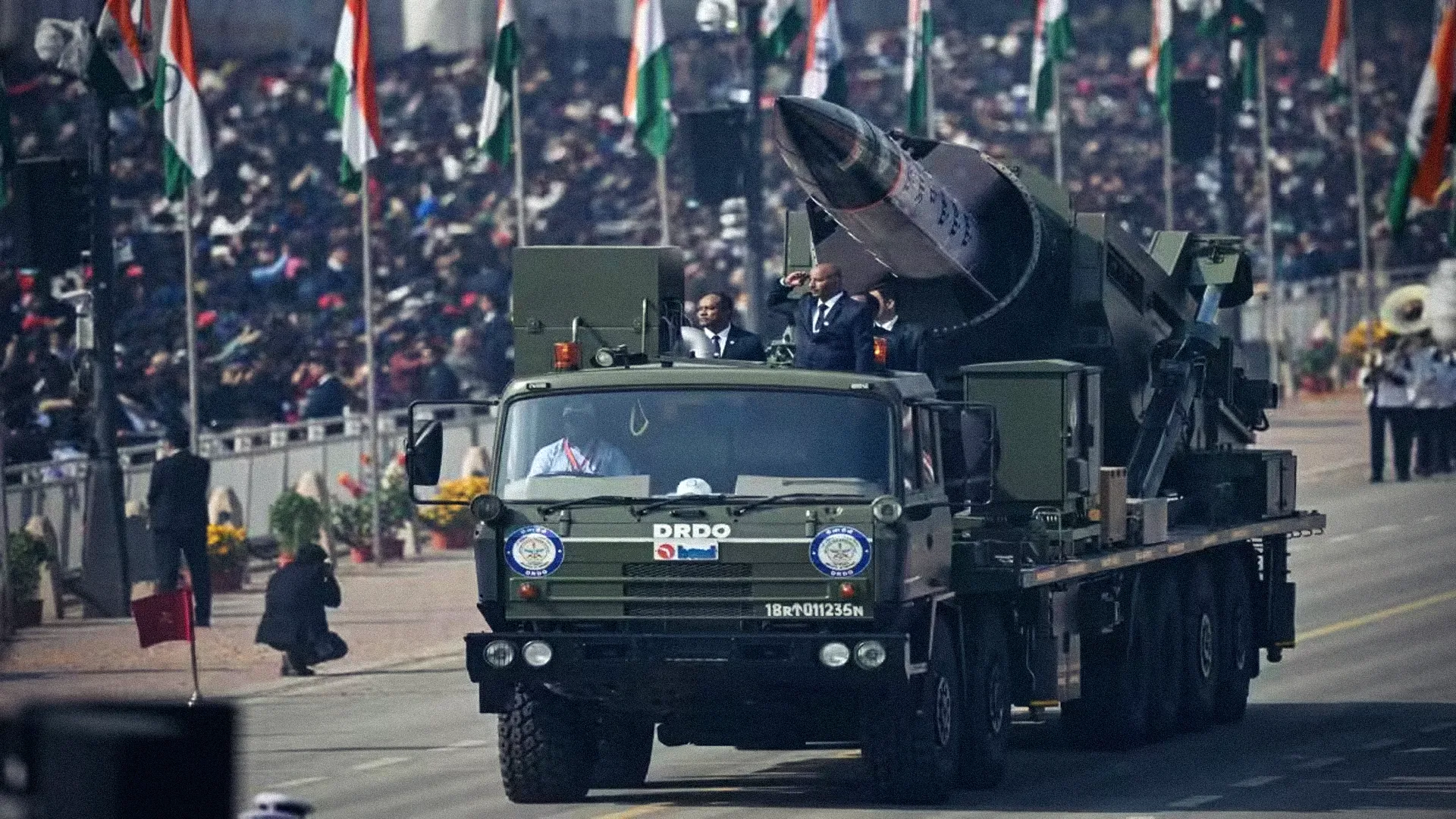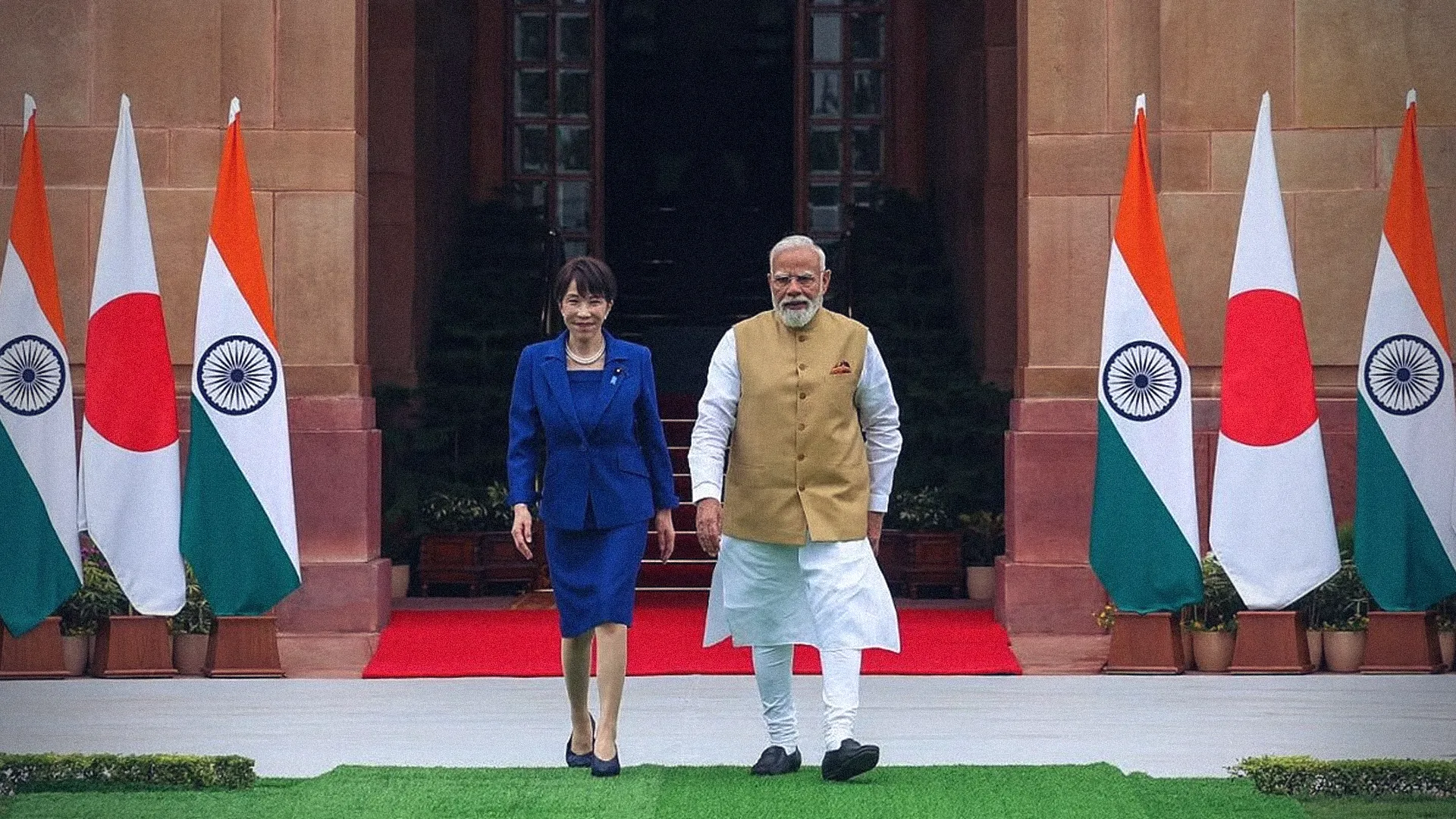



The shifting geopolitical equilibrium of South Asia is placing immense structural pressure on smaller nations as India rapidly consolidates its role as an emerging global force. Through significant advancements in defense modernization, technical integration, and fresh economic alliances across Africa, the Middle East, and Southeast Asia, New Delhi is actively projecting its regional authority. This expanding footprint is fundamentally altering traditional power dynamics, leaving neighboring states to navigate an increasingly complex administrative landscape.
For Nepal, this geopolitical transformation represents a delicate paradox of economic integration and sovereign preservation. India remains the nation’s primary commercial gateway, principal transit route, and ultimate energy market. Simultaneously, Kathmandu maintains long-standing, critical infrastructure and trade pacts with China. As the strategic friction between its two giant neighbors intensifies, Nepal is facing heightened demands to execute a flawless, non-aligned foreign policy without alienating either capital.

Interested in this ad?
Would you like to continue to the link or provide your information for more details?
Please provide your information
To continue, please fill in your details
Foreign policy analysts note that the current environment leaves no room for diplomatic complacency or over-reliance on a single regional power. To safeguard its national interests, Nepal is urged to transition toward a highly adaptable, multi-layered diplomatic framework. This strategy involves deepening its organic cultural and financial linkages with India while systematically diversifying its development partnerships with Beijing, the United States, Japan, and the European Union.
With the next decade projected to bring even more aggressive competition over South Asian trade and connectivity networks, preserving strategic autonomy has become an urgent survival metric. Experts conclude that Nepal's long-term national security and economic resilience will hinge entirely on its capacity to convert these overlapping external rivalries into balanced domestic investment opportunities.