


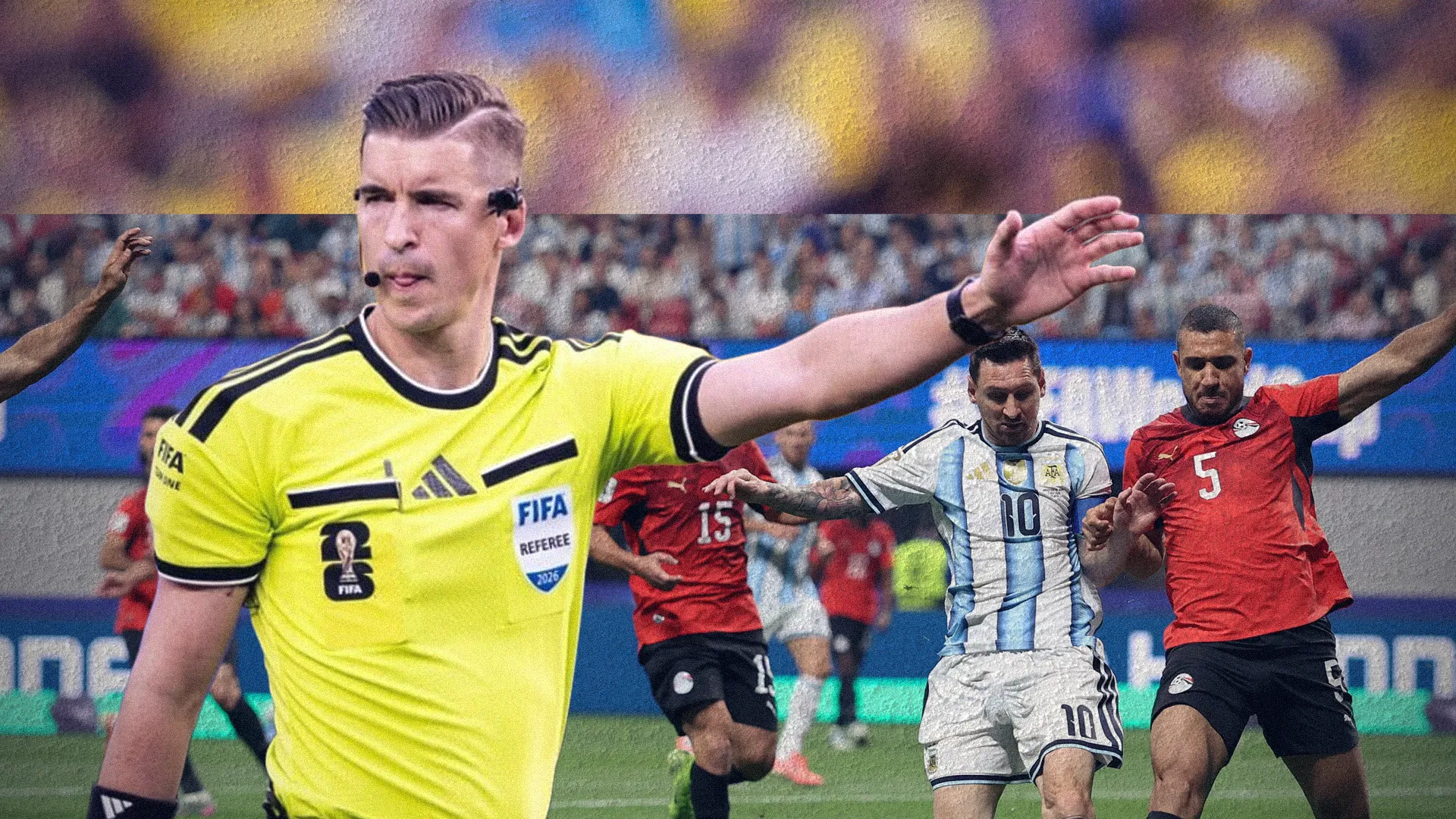
The Egyptian Football Association has officially requested football's world governing body, FIFA, to exclude the match officials responsible for their World Cup round of 16 defeat against Argentina from the remainder of the tournament. The federation has filed a formal complaint demanding a comprehensive investigation into what they describe as serious refereeing mistakes and double standards during the match held in Atlanta.
The controversy intensified in the second half when a goal by Egypt's Mostafa Zico was disallowed after a video assistant referee review determined midfielder Marwan Attia had stepped on the foot of Lisandro Martinez. The North African side further contended that Mohamed Salah was fouled inside the Argentine penalty area shortly before the reigning champions launched a counterattack to score a stoppage-time winning goal, sealing a 3-2 victory.
According to an official statement, the president of the Egyptian football federation, Hany Abou Rida, filed the complaint directly targeting French referee Francois Letexier. The Egyptian Football Association alleged blatant errors, an insistence on not reviewing specific footage, and explicitly accused the refereeing crew of the crime of discrimination against the Egyptian national team.

Interested in this ad?
Would you like to continue to the link or provide your information for more details?
Please provide your information
To continue, please fill in your details
Following the conclusion of the match, team manager Hossam Hassan stated that his side had been treated unfairly and suffered clear injustice, suggesting that there may have been an underlying desire to keep the world champions and captain Lionel Messi in the competition. Player Mostafa Zico echoed these sentiments by labeling the officiating as clear injustice and alleging that the tournament had been fixed.
In the wake of the tournament exit, the Egyptian Football Association confirmed that it has approved a new contract extension for manager Hossam Hassan, who has led the national team since February 2024. Meanwhile, Argentina is scheduled to advance to the next round to face Switzerland in Kansas City on Saturday.
Historically, formal protests against refereeing decisions at the World Cup rarely result in reversed outcomes, as governing bodies typically dismiss subjective appeals shortly after major tournaments conclude.