


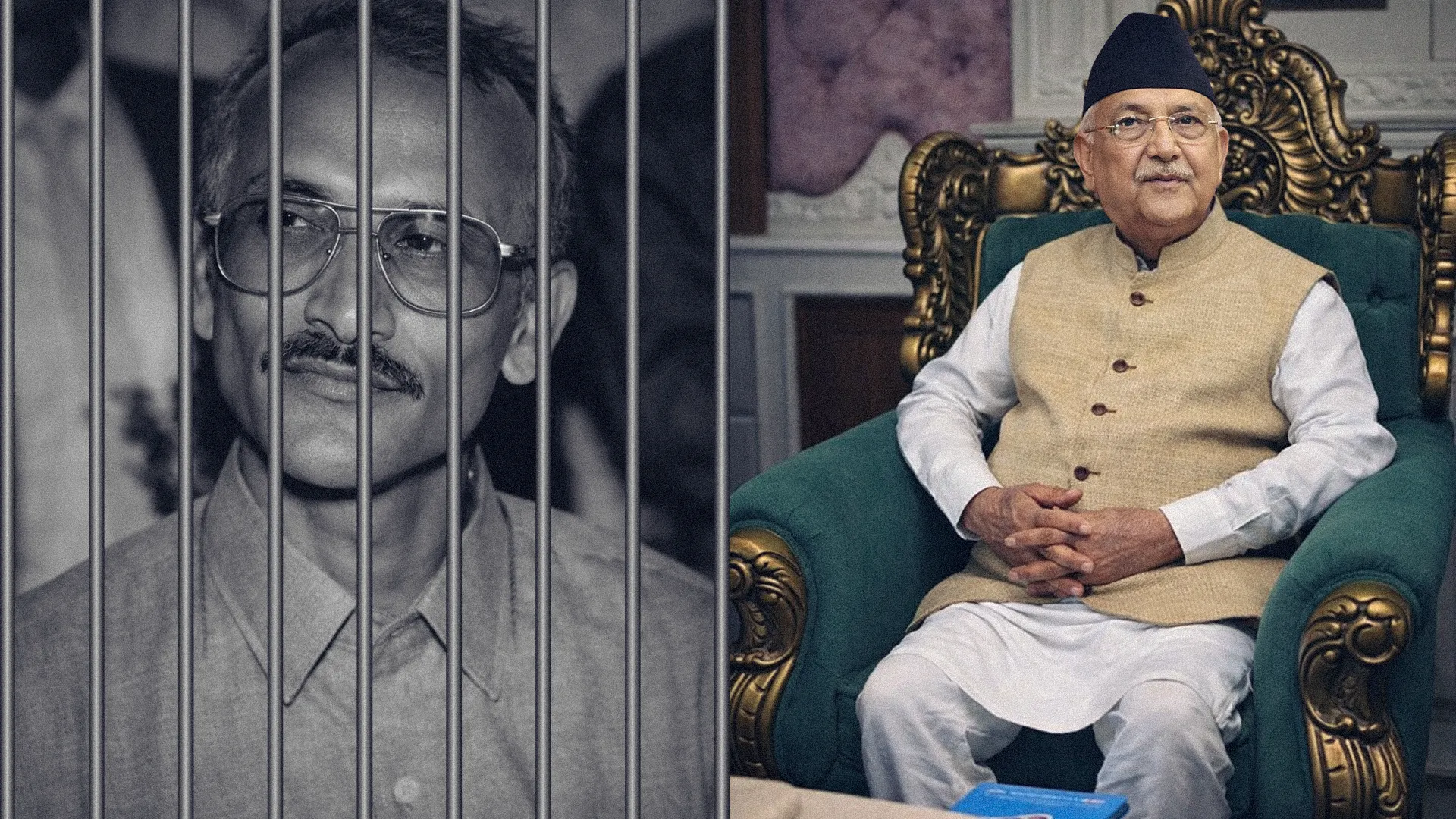
The political journey of former Prime Minister KP Sharma Oli has reached a critical juncture of legal and moral crisis. Having spent a decade and a half in prison during his youth on charges of political murder, Oli is now portrayed as the primary figure responsible for a massacre that occurred under his own government's watch. A 900-page report by a high-level probe commission submitted to the government identifies Oli as the lead culprit in the deaths during the 'Gen Z' protests, recommending criminal prosecution. This paves the way for a criminal investigation under the Penal Code-2074, creating a grave situation where he may face re-arrest and trial.
Commission’s Findings and Leadership Crisis
Formed following a 10-point agreement between protesters and the government on December 10, the commission submitted its detailed report to PM Sushila Karki on Sunday. Led by former Judge Gauri Bahadur Karki, along with former AIG Bigyan Raj Sharma and Advocate Bishweshwar Bhandari, the team concluded there was an extreme abuse of state power.
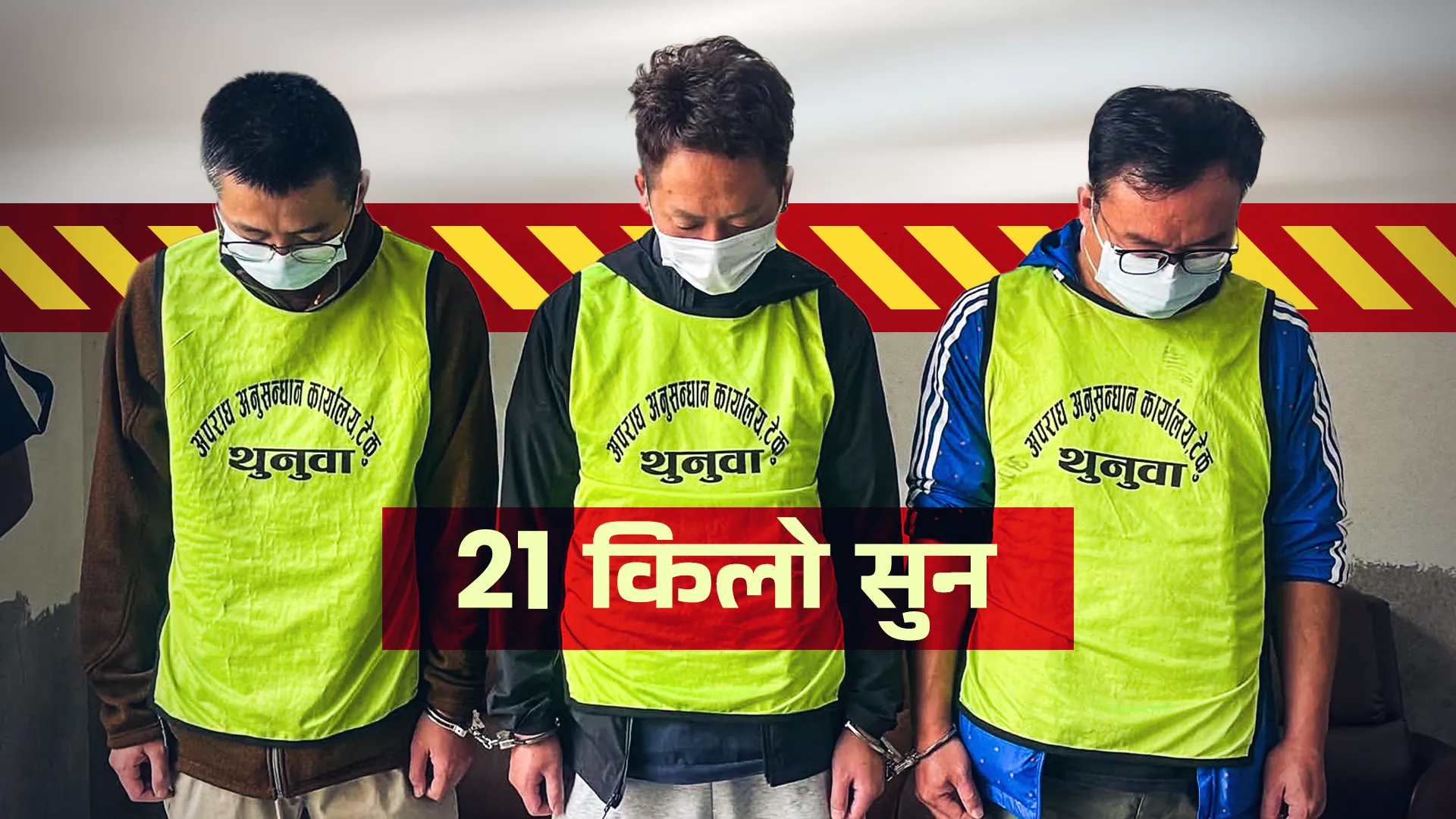
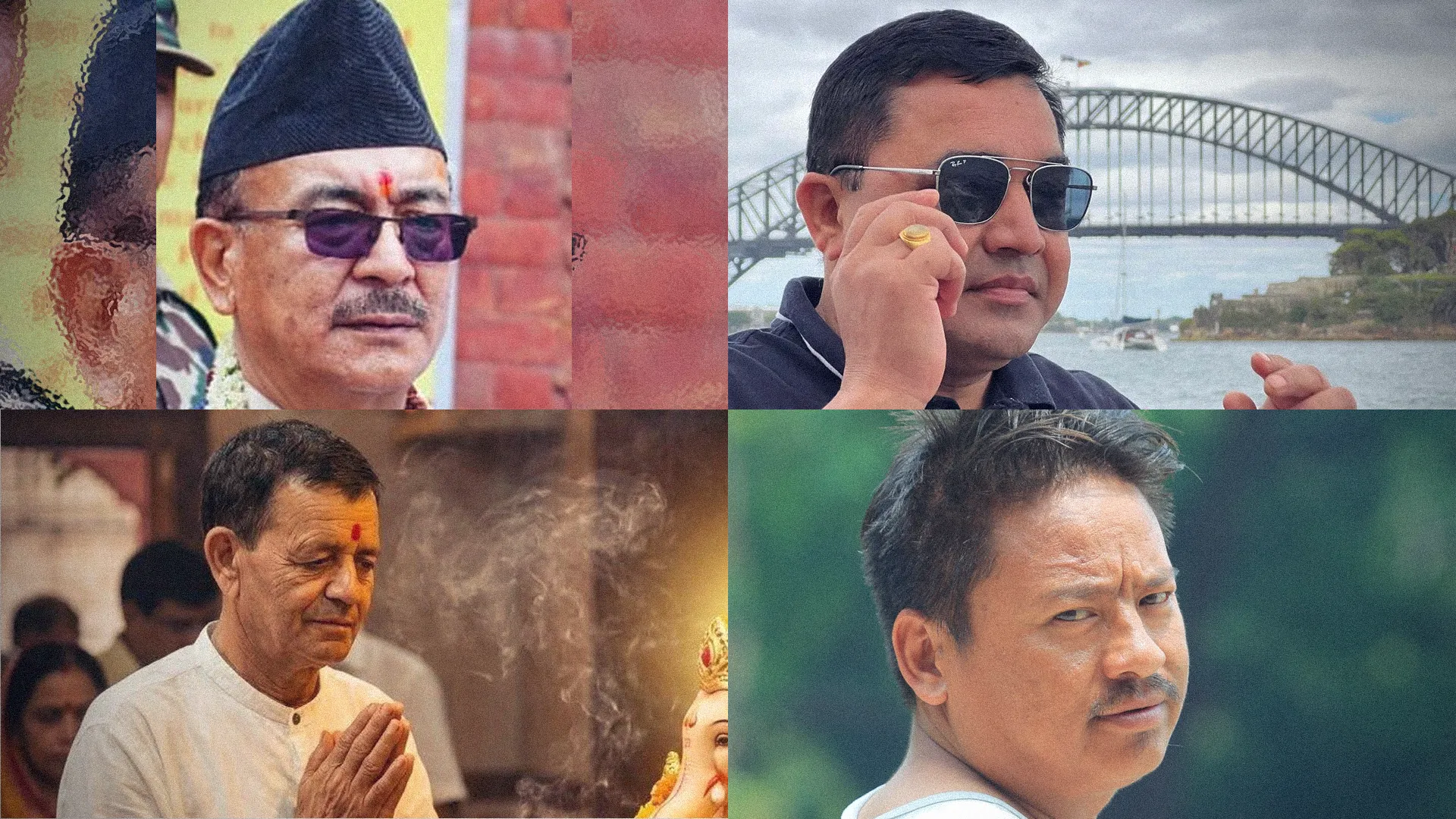
The report highlights the bloodshed at Naya Baneshwor on September 8, where 21 citizens died in police firing. According to the investigation, then-PM Oli and then-CDO of Kathmandu Chhabilal Rijal are directly accountable. The report suggests legal action against then-Home Minister Ramesh Lekhak, the Home Secretary, and the IGP for orders given via 'walkie-talkies' to shoot. A tragic total of 76 deaths, including protesters and inmates, were recorded during the movement. Furthermore, the commission recommended prosecuting those involved in the September 9 arson and looting for attempted murder and organized crime.
Past Rebellion and 14-Year Prison Term

Interested in this ad?
Would you like to continue to the link or provide your information for more details?
Please provide your information
To continue, please fill in your details
To understand the current crisis, one must look at Oli's political origins. Around 1971, inspired by Naxalite ideology, youth in Jhapa took up arms against the Panchayat system. This 'Jhapa Rebellion' aimed at the 'elimination of class enemies.' Oli was a frontrunner in this campaign and was accused of plotting and executing the murders of National Panchayat member Dharma Prasad Dhakal and his son, Gyani Dhakal, between 1971 and 1973.
Following a brutal state crackdown, including the 'Sukhani Massacre,' Oli was arrested in 1973. Convicted of sedition and murder, he spent 14 years (until 1987) in the 'Golghar' (high-security cells) of various prisons. It was only after his release that he renounced violence for peaceful democratic competition, eventually leading him to the premiership.
A Test of Accountability
Once imprisoned for killings in the name of political change, Oli is now held responsible for ordering the deaths of citizens within a democratic framework. If the state implements the commission’s recommendations, Oli, along with other top officials, must face arrest and judicial scrutiny. This development challenges Nepal's history of impunity, questioning whether powerful leaders can truly be held equal before the law.